
Avoiding Sinus Perforation After Tooth Extraction During Upper Molar Extractions: Our Safety Protocols

Upper molar extractions require careful planning because the roots often sit close to the maxillary sinus. At Ridge Oral Surgery, we use detailed imaging and controlled surgical techniques to minimize risks and protect healing. This guide explains how sinus perforations are assessed, managed, and prevented so patients can feel confident about their treatment.
How to Make Oral Hygiene for Kids Fun Without Turning It Into a Daily Battle

Helping kids build good oral hygiene habits doesn’t have to feel like a nightly struggle. Turning brushing into a game, letting children choose their toothbrush or song, and using simple rewards can make the routine more engaging. With consistent habits—brushing twice daily with fluoride toothpaste, flossing when teeth touch, and regular dental visits—children can learn to see oral care as a positive, everyday ritual rather than a battle.
The 10 Biggest Teeth Whitening Mistakes You Need to Stop Making
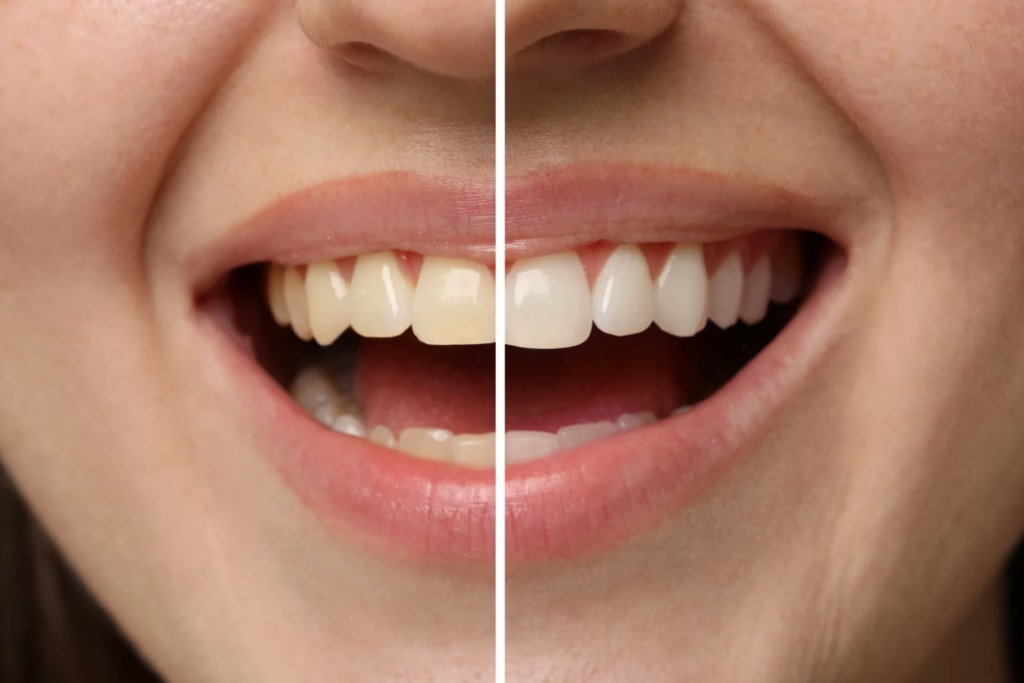
Teeth whitening can go wrong when common mistakes—like overusing products, scrubbing too hard, or expecting crowns and fillings to whiten—get in the way of safe results. Sensitivity, uneven color, and irritation often come from skipping dental checks or following DIY trends without evidence. Whitening works best when you treat dental issues first, follow instructions carefully, and remember that restorations won’t change color like natural teeth.
Flossing Tips for Those With Braces or Dental Implants

Flossing with braces or dental implants requires extra care to keep plaque from building up around wires, brackets, and restorations. Tools like floss threaders, interdental brushes, and water flossers make cleaning easier, while gentle technique helps protect gums and implant sites. Daily flossing, paired with the right tools and consistent routine, supports healthier teeth and gums even when dental work changes the way you clean between them.
Do Wisdom Teeth Always Need to Come Out? Signs It’s Safe to Wait vs. Time to Act

Wisdom teeth don’t always need removal—healthy, fully erupted teeth that function normally and are easy to clean can often be monitored instead. Removal is usually recommended when teeth are impacted, infected, decayed, or damaging nearby molars, with X-rays helping reveal hidden risks. Regular evaluations ensure you know whether it’s safe to wait or time to act, keeping your long-term oral health in focus.
Why Some Dental Problems Feel Small Until They Suddenly Become Dental Emergencies

Many dental emergencies begin quietly—like recurring sensitivity, a small gum bump, or mild pain when chewing—and only become urgent once infection or swelling spreads. Early evaluation can reveal whether these subtle signs point to decay, cracks, abscesses, or gum disease before they escalate. At Ridge Oral Surgery, urgent care focuses on identifying the source quickly, relieving pain, and planning safe treatment to prevent small problems from turning into emergencies.
How to Know If Jaw Pain Is Coming From TMJ, Stress, or Something Else Entirely

Jaw pain can stem from different sources—stress-related clenching, bruxism, dental problems, or temporomandibular joint disorders (TMDs). Muscle tenderness often points to clenching or grinding, while joint-related issues may involve painful clicking, stiffness, or locking. A thorough evaluation by an oral surgeon helps distinguish the cause and guide treatment, whether it’s conservative care, bite assessment, or targeted therapies like oral appliances or Botox for muscle tension.
Why Modern Oral Surgery Feels Different Than It Did 10 Years Ago

Modern oral surgery feels different today because technology and preparation have reshaped the experience. 3D imaging, digital implant planning, tailored anesthesia options, and detailed recovery guidance give patients more clarity and comfort than they might remember from years past. While advanced tools provide better information, clinical expertise still guides every decision, making today’s oral surgery both safer and easier to understand.
Why Some Patients Delay Wisdom Teeth Removal for Years and What Usually Changes Their Minds

Many patients delay wisdom teeth removal because they feel fine, worry about sedation or recovery, or struggle to fit surgery into busy schedules. The decision often changes when pain, swelling, infection, or X-ray findings reveal hidden risks to nearby teeth. At Ridge Oral Surgery, evaluations focus on clear imaging, comfort options, and whether monitoring or removal makes the most sense for each patient.
Oral Surgeon Near Me vs. Dentist for Tooth Extraction: When a Specialist Makes the Difference

Choosing between a dentist and an oral surgeon for tooth extraction depends on the complexity of the case. Routine extractions of fully erupted teeth with straight roots are often managed by general dentists, while impacted, broken, or infected teeth may require the expertise of an oral surgeon. Advanced imaging, sedation options, and surgical planning make specialists the right choice when anatomy or medical history adds complexity.