Getting a child to brush their teeth can take more effort than the two minutes the actual brushing is supposed to take. Bedtime is approaching, the toothbrush is already in the bathroom, and suddenly there is an urgent need for water, a toy, another story, or anything else that can postpone brushing.
For parents, the constant reminders can become tiring. Children are learning a routine that requires cooperation and, for younger kids, plenty of hands-on help. Making that routine easier can save everyone a lot of frustration.
Good oral hygiene for kids comes down to a few habits practiced consistently: brushing twice a day, cleaning between teeth when needed, using fluoride toothpaste appropriately, and keeping up with dental visits. How you introduce those habits can make them much easier to maintain.
Why Oral Hygiene for Kids Should Feel Positive, Not Punishing
Children notice the tone adults use around dental care. Repeated warnings about cavities or scolding over missed brushing can make the bathroom feel like a place where they are constantly being corrected.
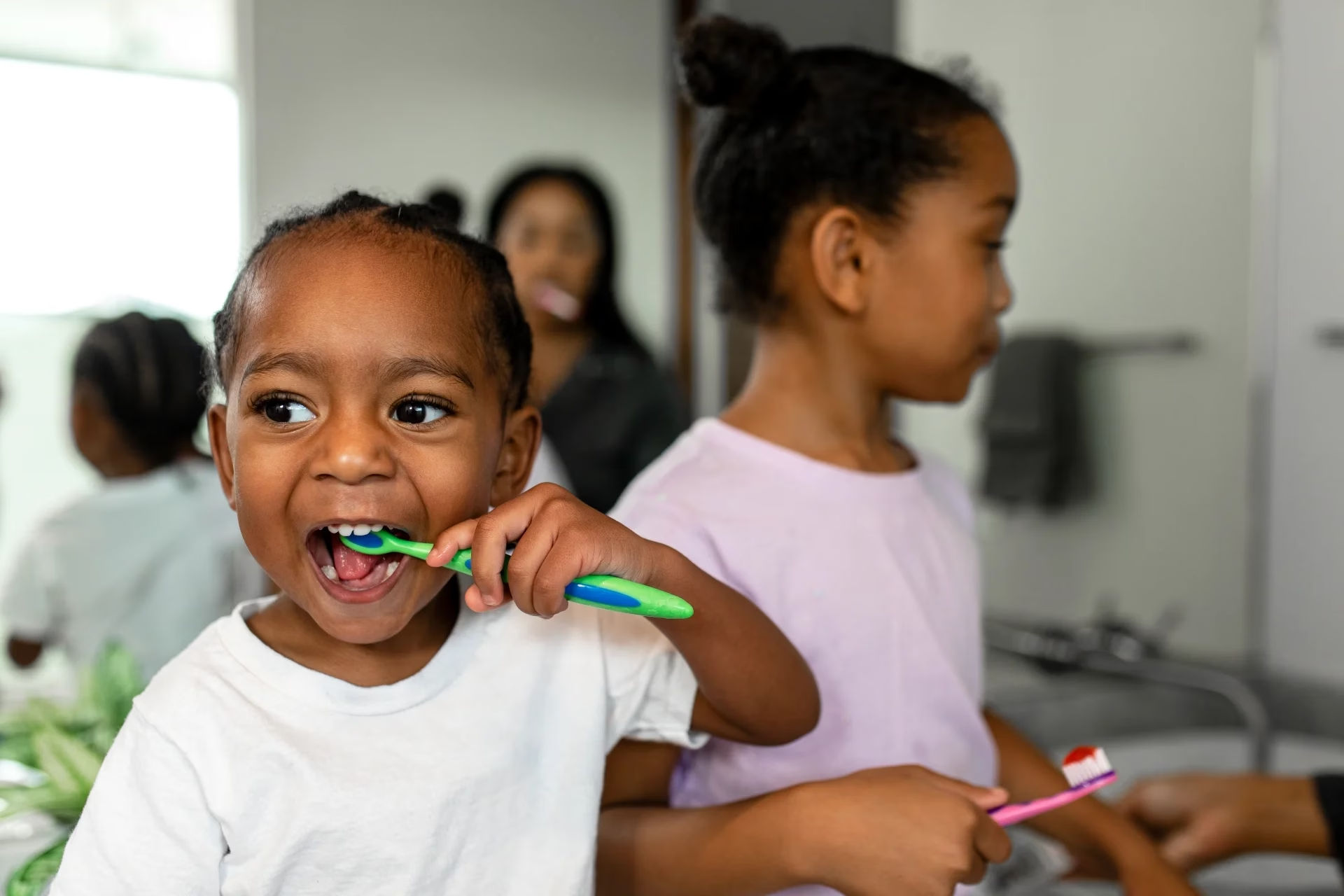
A calmer approach gives the child a clear expectation and enough room to participate. Parents can decide when brushing happens and supervise the process, while children can choose a toothbrush, pick a song, or help with a brushing chart.
The routine still needs to happen. The difference is that the child gradually learns to see it as a normal part of getting ready for the day and going to bed.
Step 1: Turn Brushing Into a Two-Minute Game
Young children often lose interest before they have reached the back teeth. A timer gives them something concrete to work toward.
Try a two-minute song or a small visual timer. A brushing chart can help children remember the morning and bedtime routine. You can also give them a simple job, such as checking whether they have brushed the front, back, and chewing surfaces of their teeth.
For a younger child, imagination can help. Pretending that the toothbrush is cleaning away “sugar bugs” may make the activity more interesting. The brushing still needs to be thorough, but the child has a reason to stay engaged.
Step 2: Let Kids Choose Their Tools
Giving a child a little control can make the routine easier to start.
Let them choose their toothbrush color or which cup they use. They can pick the song that plays during brushing or help decorate a routine chart. If toothpaste flavor has become an issue, ask the child’s dentist about an age-appropriate alternative.
Parents should continue to supervise young children and follow professional guidance on fluoride toothpaste and the amount to use. The American Dental Association recommends using fluoride toothpaste from the time the first tooth appears, with the amount adjusted for the child’s age.
Step 3: Make Flossing Feel Less Awkward
Flossing requires coordination that younger children may not have developed yet. It can also feel uncomfortable when a child isn’t used to something moving between their teeth.
Start by showing them what you are doing. A mirror can help, and a stuffed animal or dental model lets you demonstrate the movement before trying it in the child’s mouth.
Parents may need to do the flossing themselves for a while. If the teeth are touching, cleaning between them helps remove plaque from areas a toothbrush cannot reach. Ask your child’s dentist whether regular floss or a floss pick is more appropriate for your child’s teeth.
Step 4: Use Rewards That Support the Habit, Not Sugar
A sticker on a brushing chart can be enough to make a young child feel that their effort has been noticed. An extra bedtime story, choosing the next night’s brushing song, or earning a token toward a weekend activity can work as well.
Food rewards create a less helpful association with dental care, particularly when candy becomes the prize for brushing. Specific praise is often easier. “You remembered to brush this morning” tells a child exactly what they did well.
Step 5: Make Cavity Prevention Part of Everyday Life
Cavity prevention happens through repeated daily habits. Children should brush twice a day with fluoride toothpaste, clean between teeth when the teeth touch, and drink water regularly. Limiting frequent exposure to sugary snacks and drinks also helps reduce the conditions that contribute to tooth decay.
The frequency of sugar exposure matters. Sipping a sugary drink throughout the day exposes teeth repeatedly, so pay attention to drinking patterns as well as the amount of sugar in the diet.
When permanent molars erupt, ask your child’s dentist whether dental sealants would be appropriate. Sealants can provide additional protection for the chewing surfaces of back teeth.
Step 6: Make the Bathroom Setup Kid-Friendly
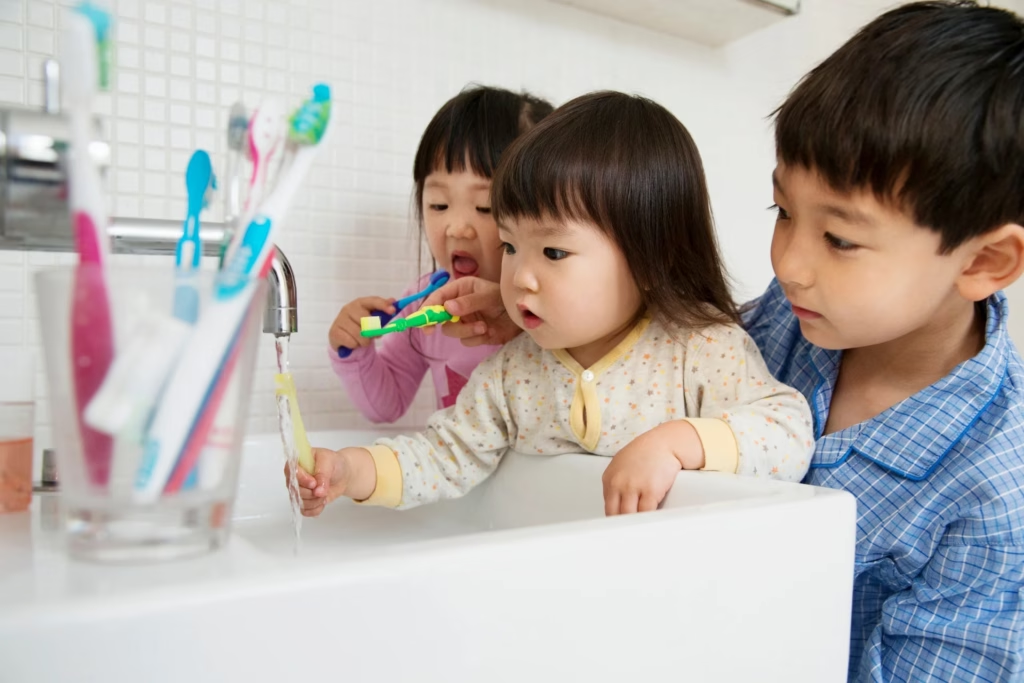
A child needs to reach the sink, see what they are doing, and access their toothbrush safely.
A sturdy step stool can help with the sink. A mirror positioned at the child’s height lets them watch their brushing technique. Keeping the toothbrush and cup in a consistent place also removes another small decision from the routine.
Parents can brush their own teeth nearby. Children learn a great deal by watching familiar adults perform the same daily habits.
Step 7: Model the Routine Instead of Only Reminding Them
Children need practice before they can brush every surface effectively. A parent can demonstrate gentle movements and show how to reach the back teeth and gumline.
A useful routine for younger children is to let them brush first and then have a parent finish the areas they missed. This gives the child a chance to develop independence while keeping the cleaning thorough.
There is no need to hand over the entire job before they have the coordination to manage it.
Step 8: Make the First Pediatric Dental Checkup Feel Familiar
The first dental appointment is easier to approach when it’s presented as a normal part of growing up.
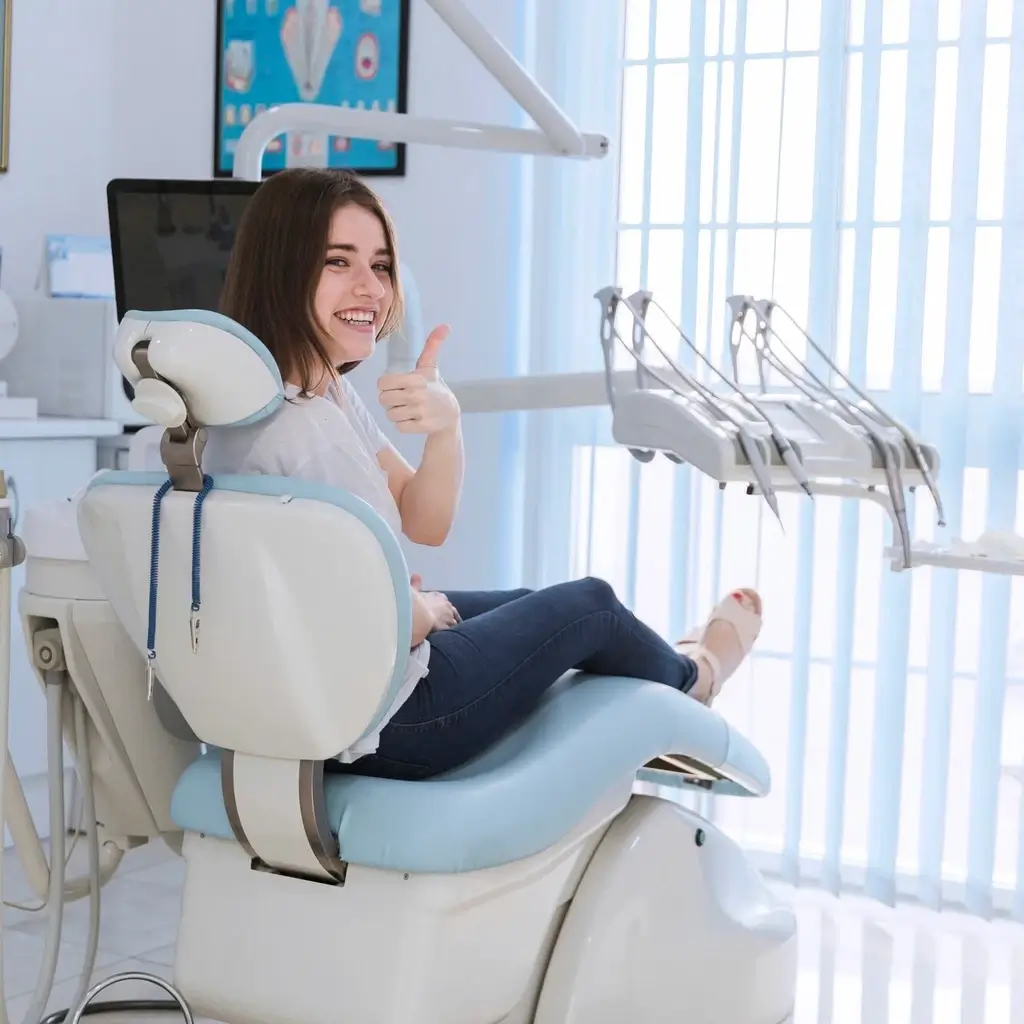
The American Academy of Pediatric Dentistry recommends that children have their first dental visit when the first tooth appears or by their first birthday. Early appointments allow the dentist to look for developing problems and discuss brushing, fluoride, diet, and oral development with parents.
Before the appointment, keep the explanation simple. A children’s book about visiting the dentist can introduce the setting without making it seem intimidating. Avoid using the dentist as a threat when a child refuses to brush.
What If Your Child Still Resists Brushing?
Persistent resistance deserves a closer look. Toothpaste flavor, the feel of the toothbrush, a strong gag reflex, sensory sensitivity, or simple bedtime exhaustion can all make brushing harder.
Changing the timing may help if fatigue is the issue. A different toothbrush or toothpaste may be worth trying when the child dislikes the sensation. Parents can also give the child one toothbrush to hold while using another to complete the brushing.
If nothing seems to help, bring the issue up with the child’s dentist. They may be able to identify a problem with the mouth, the products being used, or the routine itself.
When Kids’ Dental Habits Connect to Specialist Care
Routine preventive care generally remains with a child’s general or pediatric dentist. Oral surgeons become involved when a child or teenager needs a procedure or specialist evaluation.
This can include impacted teeth, wisdom teeth, extractions, or certain orthodontic-related procedures. At Ridge Oral Surgery, our team evaluates these concerns in children and teens when oral surgery is needed. Clean teeth and healthy gums give the dental team a better starting point for evaluation and treatment planning.
The Bottom Line
Parents do not need to turn every brushing session into an elaborate activity. A song, a timer, a child-selected toothbrush, or a simple reward can make the routine more manageable.
Keep brushing twice a day, use fluoride toothpaste as recommended, clean between teeth when necessary, and maintain regular dental visits. If your child still resists brushing despite changes at home, ask their dentist for help.
The habits built during childhood can make dental care much easier to manage as children become more independent.
Still worried about your child’s oral hygiene? Schedule a consultation today!