You buy whitening strips, use them for a few days, and start wondering why your teeth still do not look as white as you expected. So you use them again. Maybe you brush harder, leave the strips on longer, or try one of the DIY methods that keep showing up online.
That is where whitening can go off track.
The issue is not always the whitening product itself. Sometimes it’s how you use it, the condition of your teeth, or expecting whitening to fix a type of discoloration it cannot address. Here are 10 teeth-whitening mistakes that can make the process less effective or comfortable.
Why Whitening Should Start With a Dental Check
A tooth that looks darker is not necessarily just stained. Before choosing a whitening treatment, we need to know whether the discoloration is on the surface or caused by something underneath.
An exam can also identify cavities, gum inflammation, exposed roots, cracks, or existing sensitivity. These issues can make whitening more uncomfortable. Then there are crowns, veneers, fillings, bridges, and bonding. Whitening can change natural tooth color, but these restorations do not bleach in the same way.
A quick dental check can prevent you from spending time and money on a treatment that does not address the actual problem.
Mistake #1: Whitening Before Treating Cavities or Gum Problems
If a tooth is already sensitive or the gums bleed when you brush, that deserves attention before cosmetic treatment.
Whitening can cause temporary sensitivity, and applying whitening products to teeth with untreated problems may make discomfort more noticeable. The same applies when tooth roots are exposed or a tooth is cracked.
We generally want to know what is causing the discomfort first. A dental exam, cleaning when needed, cavity check, gum evaluation, and review of your sensitivity history can help determine whether whitening is appropriate.
Mistake #2: Using Whitening Products Too Often
Some people see an improvement and assume that another treatment will make the result even better. That is not necessarily how whitening works.
Using products more often than recommended can increase the risk of tooth sensitivity and gum irritation. At some point, repeating the treatment may add discomfort without giving you the shade change you’re looking for.
Follow the product instructions or the schedule your dentist provides. There is no advantage to turning a short-term treatment into an everyday habit.
Mistake #3: Expecting Crowns, Veneers, or Fillings to Whiten
This becomes particularly noticeable when the front teeth have existing dental work.
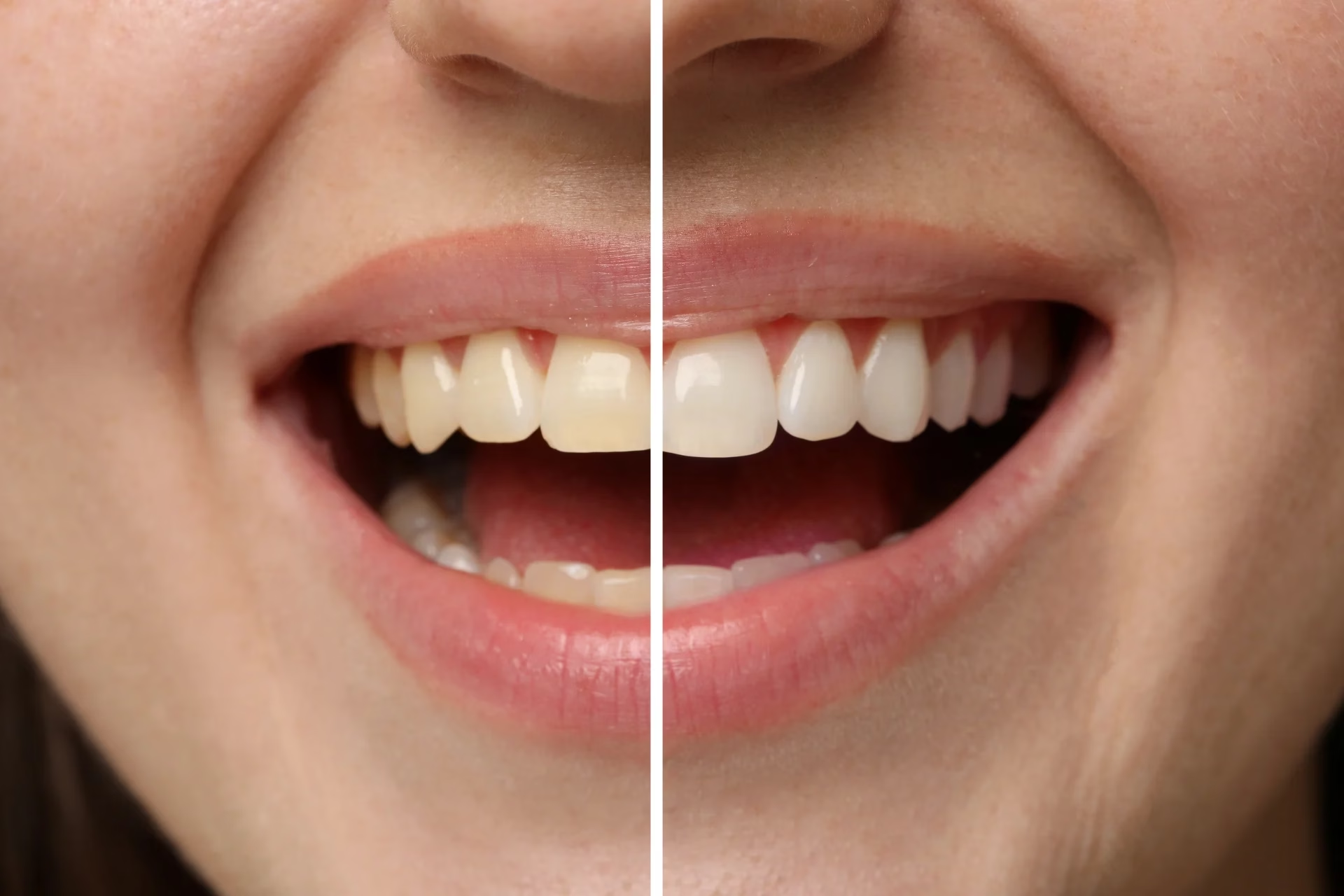
Natural teeth may become lighter after whitening while a crown, veneer, filling, or bonding remains its original shade. Once the surrounding teeth change color, an older restoration may suddenly stand out more than it did before.
If you have visible dental work, especially in your smile, talk to your dentist about whitening first. In some cases, the restoration itself may need to be considered as part of the cosmetic plan.
Mistake #4: Scrubbing Harder to Make Teeth Look Whiter
If brushing doesn’t remove a stain, adding more pressure is unlikely to help. It can irritate the gums and contribute to enamel wear over time.
A soft-bristled toothbrush and fluoride toothpaste are enough for routine brushing. Use gentle pressure and spend about two minutes brushing twice a day. Cleaning between the teeth also helps remove plaque that brushing alone misses.
Good oral hygiene is about removing plaque consistently, not trying to scrub the natural color out of your teeth.
Mistake #5: Trusting Every “Natural Whitening” Trend Online
Lemon juice, abrasive powders, DIY scrubs, and homemade whitening mixtures can look harmless in a social media video. Your teeth do not necessarily agree.
Acidic ingredients can affect tooth surfaces, while abrasive materials can be damaging when used too aggressively or too often. Oil pulling is also promoted online for whitening, but that does not make it a replacement for established dental care.
Before putting an unfamiliar substance on your teeth, check whether there is reliable evidence behind the claim. “Natural” is not a safety guarantee.
Mistake #6: Ignoring Tooth Sensitivity
A few sensitive moments after whitening can happen. Pain that keeps returning or becomes sharper is a different matter.
Sensitivity may be related to the whitening treatment, but it can also occur with cavities, gum recession, exposed roots, enamel wear, or cracked teeth. Using whitening products too frequently is another possible contributor.
If sensitivity becomes uncomfortable, stop the whitening treatment and have the teeth evaluated. Trying to tolerate worsening pain does not make the treatment work better.
Mistake #7: Whitening Right Before a Big Event
The week of your wedding is not a great time to discover that whitening makes your teeth painfully sensitive.
Last-minute treatment also leaves little time to deal with gum irritation, uneven color, or a mismatch between natural teeth and restorations. If you are whitening for a wedding, interview, vacation, reunion, or another important event, plan.
That gives you time to see how your teeth respond and adjust as needed.
Mistake #8: Skipping Cleanings and Expecting Whitening to Do the Work
Whitening products are not designed to remove tartar.
If plaque, tartar, or surface stains cover your teeth, you may need a professional cleaning before you can accurately judge their natural color. You can then consider whitening separately if it is still appropriate.
Keeping up with brushing and cleaning between your teeth also helps maintain your smile’s appearance after treatment.
Mistake #9: Choosing the Wrong Product for the Stain
A cup of coffee every morning and a single dark tooth do not point to the same problem.
Surface stains can come from foods, drinks, and tobacco. Teeth can also become darker with age. A tooth that has changed color after trauma or root canal treatment may have an internal cause that needs a different evaluation. Staining around older restorations creates another issue altogether.
That is why the same whitening toothpaste, strip, tray, or professional treatment will not produce the same result for everyone.
Mistake #10: Forgetting That Whitening Requires Maintenance
Even when whitening works well, teeth naturally pick up new stains over time.
Coffee, tea, tobacco, diet, and aging can gradually affect tooth color. You do not necessarily need constant whitening to maintain the result. Regular brushing, cleaning between the teeth, preventive dental visits, and using touch-up products only as directed can go a long way.
Whitening is a cosmetic treatment. It does not replace the daily habits that protect your teeth.
When Whitening Questions Overlap With Oral Surgery Care
Most whitening concerns are handled by a general or cosmetic dentist. However, a patient’s broader dental history can sometimes affect timing or expected results.
For example, patients with dental implants, crowns, bridges, previous oral surgery, or planned tooth replacement should know that whitening will not change the color of an implant crown or other restoration.
At Ridge Oral Surgery, we can evaluate concerns such as unexplained pain, sensitivity, or problems involving implants and other oral structures. If something does not feel right, it is better to have it evaluated before starting cosmetic treatment.
The Bottom Line
Whitening does not have to be complicated, but it should not be approached as a trial-and-error process either.
Treat dental problems first, follow whitening instructions, avoid harsh DIY methods, and remember that restorations will not whiten like natural teeth. Most importantly, pay attention to sensitivity instead of assuming discomfort is something you simply have to accept.
A brighter smile is worth pursuing. It just should not come at the expense of healthy teeth and gums.