Flossing is easy enough with a straightforward set of teeth. Add brackets and wires, or an implant-supported crown, and the usual technique may no longer work. Food gets caught in places you cannot easily see. Floss may not pass where you expect it to. It is also easy to wonder whether you are cleaning too hard around an implant.
Flossing still serves the same purpose: remove plaque and debris from areas a toothbrush cannot adequately reach. A healthier smile often depends on the small spaces between teeth. These flossing tips can help make daily cleaning more manageable when you have braces or dental implants.
Why Flossing Matters More With Braces, Implants, and Dental Work
Brackets, orthodontic wires, crowns, bridges, and implant restorations all create surfaces and spaces that can collect plaque. Braces are particularly demanding because the wire and brackets can interfere with normal flossing.
Brushing cleans the broad surfaces. Flossing and interdental tools help clean the hidden ones.
That matters for your gums as well as your teeth. Plaque left along the gumline can contribute to inflammation and bleeding. Around an implant restoration, keeping the surrounding tissues clean is an important part of ongoing oral hygiene. Dental implants do not decay like natural teeth, but the gum and bone supporting them still need appropriate care.
When dental work is present, the spaces around it deserve extra attention.
Flossing Tips for Braces: Start With the Right Tools
Braces don’t make flossing impossible, but the brackets and wire can make regular floss harder to use. You need to get floss under the wire before you can clean between your teeth.
A few tools can make this easier:
- Floss Threaders: Help guide regular floss underneath the orthodontic wire and between the teeth.
- Orthodontic Flossers: Designed to make flossing around braces quicker and easier.
- Interdental Brushes: Useful for cleaning around brackets and in spaces where regular floss is difficult to position.
- Water Flossers: Use a stream of water to help remove food and debris around brackets, wires, and the gumline.
You do not need to use all of these tools. The right choice depends on your braces, tooth spacing, dexterity, and which method you can use comfortably every day. Good oral hygiene with braces is less about having several products and more about cleaning thoroughly and consistently.
Step-by-Step: How to Floss With Braces Without Getting Frustrated
Flossing with braces takes a little more time because the wire gets in the way. Once you get used to the technique, it becomes much easier.
1. Get the floss under the wire: Use a floss threader to guide the floss underneath the orthodontic wire.
2. Clean between the teeth: Gently move the floss between two teeth. Avoid forcing it into tight spaces.
3. Clean along each tooth: Curve the floss around one tooth in a C-shape and move it up and down along the side, including just below the gumline. Repeat on the neighboring tooth.
4. Move to the next space: Work your way around the mouth, taking extra care around crowded areas and back teeth.
Take your time as you learn. One of the most important dental floss tips is to avoid snapping the floss into your gums. Gentle, controlled movements are less likely to cause irritation.
If your gums keep bleeding despite regular, gentle flossing, talk to your dentist or orthodontist.
Tips and Tricks for Flossing Around Brackets, Wires, and Tight Spaces
A few practical changes can make flossing easier:
- Use a mirror until threading the floss feels natural.
- Pay extra attention to the molars, where visibility is often poor.
- Keep an interdental brush or flosser with you when traveling.
- Replace interdental brushes once the bristles become bent or worn.
- Clean between the teeth before brushing if that sequence works better for you.
- Don’t rush just because the routine takes longer with braces.
These flossing tips and tricks are meant to make daily care easier, not turn it into another complicated task.
How to Clean Around Implants Without Damaging the Gums
After an implant is restored, regular cleaning helps prevent plaque and food from building up around the implant crown and gumline. Your dental team may recommend soft floss, an implant-safe interdental brush, a water flosser, or super floss for certain bridges.
Be gentle when cleaning around an implant. Pressing or scrubbing harder does not clean the area better and can irritate the gums.
The right technique can also depend on the type of restoration you have. If you have a dental implant, ask your dentist or oral surgeon to show you how to clean around it properly.
What If You Have Both Braces and Implants?
If you have both braces and a dental implant, you may need to use different tools for different areas of your mouth.
Brackets and wires can trap plaque around natural teeth, while the implant restoration needs careful cleaning around the gumline. If you have a bridge or connected restoration, a floss threader or specialized floss may also be helpful.
Your cleaning routine may need to change during orthodontic treatment as your teeth move. A tool that worked well before may not work as well later.
If you are unsure about your technique, ask your dental team to show you how to clean around your braces and implant. A quick demonstration can make things much easier at home.
Common Flossing Mistakes to Avoid
Watch for these common problems:
- Snapping floss into the gums.
- Skipping flossing because the gums bleed.
- Ignoring the back teeth.
- Using worn interdental brushes.
- Scrubbing aggressively around an implant.
- Reusing the same section of floss throughout the mouth.
- Assuming a water flosser automatically replaces every other cleaning method.
- Flossing only before dental appointments.
Good technique should feel thorough, not harsh. If bleeding, swelling, tenderness, or persistent irritation continues, it deserves professional attention.
How Often Should You Floss With Braces or Implants?
For most people, the goal is to clean between the teeth daily. The best time is the time you will actually do it.
Many people prefer nighttime because they have less time pressure. Flossing before brushing can also help remove food and plaque before you brush with fluoride toothpaste. If food frequently gets trapped around braces, cleaning after meals may help.
Your dentist, orthodontist, or oral surgeon may recommend a different routine based on your gum health, orthodontic treatment, implants, bridges, or other dental work.
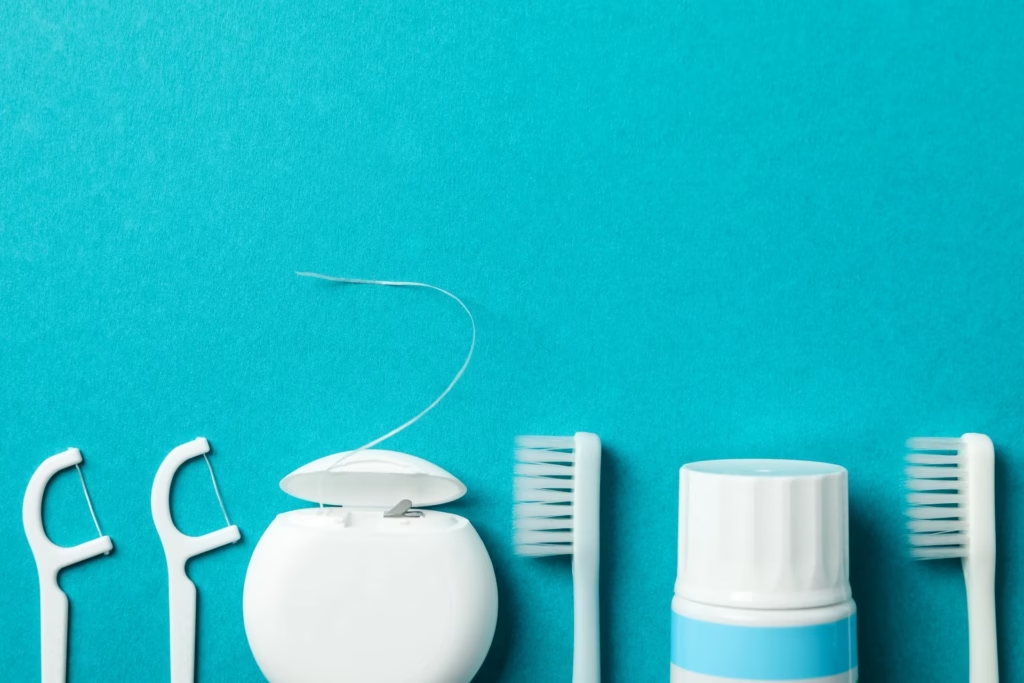
Best Tools for Different Flossing Challenges
If flossing is difficult in certain areas, a different tool may make all the difference.
| Challenge | Tools to consider |
|---|---|
| Braces | Floss threaders, orthodontic flossers, interdental brushes |
| Tight contacts | Waxed floss or dental tape |
| Bridges | Super floss or floss threaders |
| Implants | Soft floss or implant-safe interdental brushes |
| Limited dexterity | Floss picks or water flossers |
| Travel | Pre-threaded flossers or compact interdental brushes |
There is no universal “best” flossing tool. The right one fits your mouth and lets you clean thoroughly without irritating your gums.
FAQs
What are the best flossing tips for people with braces?
Use a floss threader, orthodontic flosser, interdental brush, or water flosser to clean around brackets, wires, and the gumline each day.
Can I use a water flosser instead of regular floss?
A water flosser can be useful around braces and dental work. Ask your dental team whether it should replace or supplement string floss in your case.
How do I floss around a dental implant?
Clean gently around the implant crown and gumline with the tool recommended for your restoration. Soft floss, specialized floss, interdental brushes, and water flossers may be appropriate.
Why do my gums bleed when I floss?
Bleeding can occur when your gums are inflamed or when you floss too forcefully. A dental professional should evaluate continued bleeding.
What are the easiest tips and tricks for flossing every day?
Keep your cleaning tools accessible, choose a routine you can repeat, and ask your dental team for a demonstration if you are unsure about the technique.
How We Help Patients Protect Their Smile After Surgery or Implant Care
Patients should not have to guess how to care for a surgical or restored smile.
At Ridge Oral Surgery, we give patients clear instructions for caring for surgical sites and maintaining their oral health after procedures such as implant placement and bone grafting. When needed, we also coordinate care with the patient’s restorative dentist or orthodontist.
If you are unsure how to clean around an implant or surgical area, bring your flossing tools to your appointment and ask us to walk you through the technique.
Better Flossing Comes From a Routine You Can Maintain
Braces, implants, bridges, and other dental work can change the way you clean between your teeth. That does not mean the process needs to become complicated.
Choose tools that fit your specific situation, use gentle technique, and make interdental cleaning part of your daily routine. If your gums keep bleeding, an implant becomes tender, or food repeatedly gets trapped in one area, have it checked rather than trying to solve the problem by flossing more aggressively.
A cleaner smile does not come from working harder. It comes from using the right routine every day.
Schedule a consultation with Ridge Oral Surgery today for better dental health.