Post-Holiday Dental Health Check: Why a Simple Visit Helps You Start the New Year with a Healthy Smile

Flat lay of a planner, coffee, and holiday treats symbolizing a post-holiday dental health check and a fresh start for oral care.

The holidays are generous with desserts, late nights, travel, and skipped routines. Your teeth remember it all. That is completely normal and something we see every year.

A post-holiday visit is not about judgment or lectures. It is simply about resetting and catching small issues early, when they are easiest to manage. We believe even one thoughtful appointment can offer clarity and peace of mind.

In this guide, we will talk about common holiday habits that affect your mouth, what a checkup actually looks for, and how one visit helps set up a smoother year ahead. A simple post-holiday check is one of the easiest ways to protect your long-term dental health and support better oral health without changing your entire oral care routine.

What a Post-Holiday Dental Health Check Actually Catches
The holidays are fun, but they can quietly disrupt your smile. Travel disrupts daily routines, and brushing and flossing become less consistent. Snacking tends to extend throughout the day. Then, add frequent sipping of wine, cocktails, soda, or citrus mixers, and your teeth experience more sugar and acid than usual, which can affect dental health over time.

Stress and disrupted sleep commonly lead to clenching or grinding, leaving the feeling of a tight or sore jaw. Alcohol, flights, cold medications, and dehydration can also result in dry mouth, reducing saliva and impacting overall oral health and oral health care.

The High-End Value of “Small Fixes Early”
A dental health check after the holiday usually catches issues that most people do not yet notice. Plaque and tartar are often found in areas that are easy to miss, like back molars, along the gumline, and between teeth. Early decay may show up very quietly, well before any pain may start.

Gums may merely look slightly inflamed or bleed in certain areas, an early sign of gingivitis. We, at Ridge Oral Surgery in New Jersey, also check for worn enamel, tiny cracks, or small bite changes caused by clenching during stressful weeks. Cold sensitivity and early recession patterns also offer helpful clues. A focused exam after the holidays helps protect oral health by catching problems early and preventing more extensive, costly repairs, supporting long-term oral health and care.

Wisdom Teeth Removal Over Winter Break: How to Plan Recovery Around Work, Workouts, and Travel

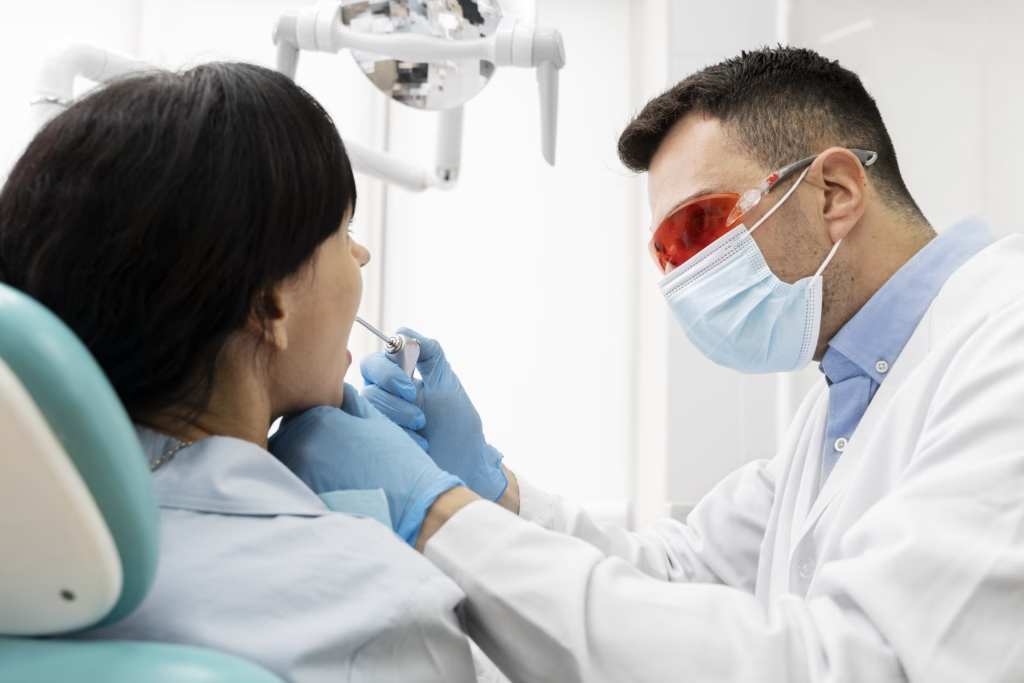
Patient seated in a dental chair discussing wisdom teeth removal and surgical planning with a dental professional at Ridge Oral Surgery.

Winter break offers a rare opportunity to schedule wisdom teeth removal with minimal disruption to work, workouts, and travel plans. This guide outlines a realistic recovery timeline, how to plan time off and exercise safely, and what to consider when traveling after surgery. With the right preparation, wisdom teeth removal can fit smoothly into your break without derailing your routine.

Oral Surgery Considerations for Patients with Autoimmune Disorders

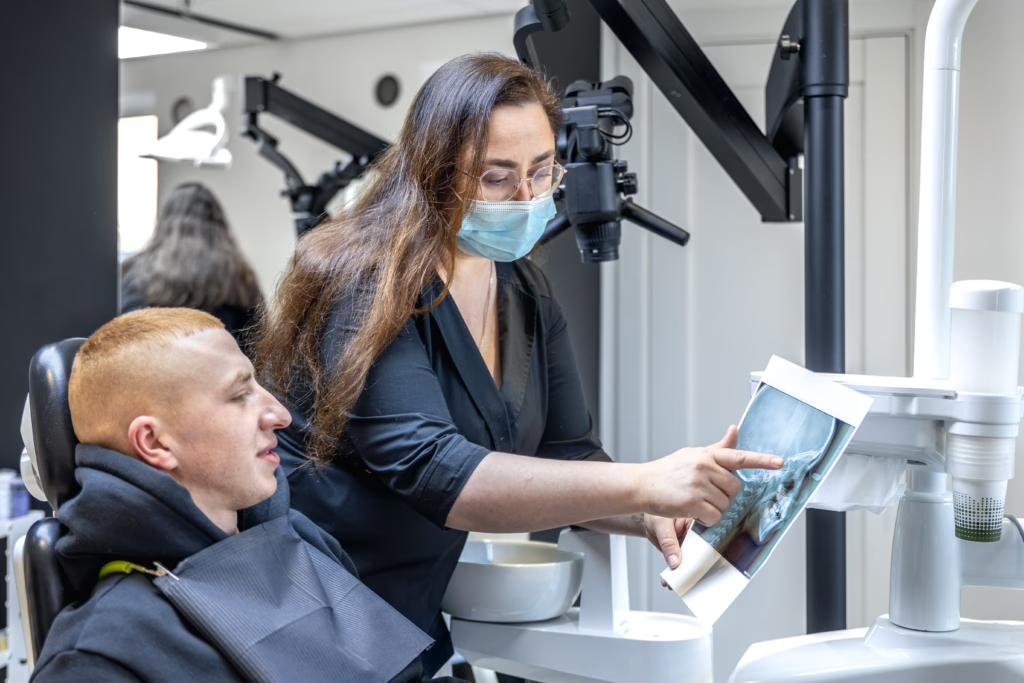
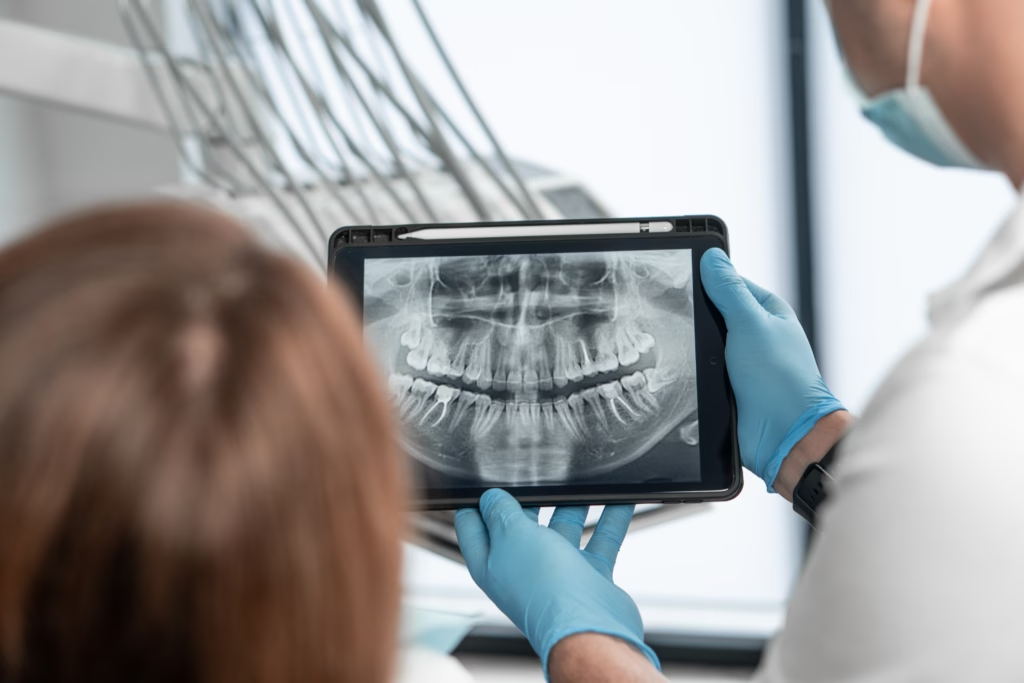
Oral surgeon reviewing a digital medical chart with a patient during treatment planning at Ridge Oral Surgery clinic.

Autoimmune disorders can significantly influence healing, infection risk, and implant success in oral surgery. This guide explains how conditions like lupus, rheumatoid arthritis, and Sjögren’s syndrome affect surgical planning, anesthesia, and recovery. Learn how coordinated care and tailored surgical protocols help ensure safer, more predictable outcomes.

How to Choose Between a Specialist Oral Surgeon vs a General Dentist for Implants

A smiling patient reviewing her dental implant results with an oral surgeon at Ridge Oral Surgery clinic.

Choosing the right provider for dental implants affects comfort, safety, and long-term results. This guide compares oral surgeons and general dentists, covering training, case complexity, technology, and anesthesia to help you make an informed choice. Learn when a specialist provides more predictable outcomes versus when a general dentist can handle straightforward cases.

Implants and Aesthetics: How the Final Prosthesis Design Impacts Your Smile

Dentist presenting a tooth shade guide to a smiling patient at Ridge Oral Surgery to plan a natural-looking dental implant restoration.

Dental implants are more than titanium posts—they are a harmony of design, tissue architecture, and material artistry. The final prosthesis determines how naturally your implant blends with your smile. Learn how advanced planning and precision execution transform your implant into a seamless, confident result.

How Hormonal Changes (Menopause, Pregnancy) Affect Bone and Implant Health

A dentist at Ridge Oral Surgery examining a woman’s oral health during a dental appointment.

Hormonal shifts during pregnancy and menopause don’t just influence mood—they also impact bone strength, gum health, and how well dental implants heal. Understanding these connections helps ensure timing, diagnostics, and treatment planning stay safe and predictable. With the right approach, patients can maintain stable implant and bone health through every life stage.

Implant Failure: Common Causes and How to Prevent Them

Dentist examining a patient’s dental implant while the patient checks in a mirror during a follow-up visit at Ridge Oral Surgery.

Dental implants have an exceptional success rate, but understanding why failures occur and how to prevent them can make your treatment clearer and more predictable. This guide explains the early warning signs, the most common causes of implant failure, and the diagnostic and preventive steps that protect long-term outcomes. With the right planning and follow-through, implants can remain stable, healthy, and reliable for years to come.

Can You Get Dental Implants If You’ve Had a Jaw Fracture?

Patient consulting with oral surgeon about dental implants after a healed jaw fracture at Ridge Oral Surgery.

A past jaw fracture doesn’t automatically rule out implants it just means timing and planning matter more. This guide covers candidacy checks, CBCT imaging, grafts/hardware decisions, and immediate vs. early vs. delayed placement, plus what recovery looks like. Get a trauma-informed, predictably planned path to a full smile.

Bone Loss Due to Missing Teeth: When Should You Act?

Dentist performing a check-up on a patient at the Ridge Oral Surgery clinic, assessing bone health and oral condition.

Missing a tooth can lead to gradual bone loss, affecting both your smile and oral health. This blog covers the timeline of bone resorption, signs to watch for, and proactive steps you can take to preserve bone structure and ensure successful restorations.

Is Crown Lengthening a Necessary Procedure?

A dentist working on a young woman patient with dental tools at the Ridge Oral Surgery clinic.

Crown lengthening is a common procedure that can restore both health and harmony to your smile. Whether it’s repairing a tooth fractured near the gumline or refining a “gummy” smile, the treatment creates the right balance of function and aesthetics. At Ridge Oral Surgery, we tailor every procedure to your needs ensuring comfort, precision, and naturally beautiful results.

Book Online

Terms of Use

Please be aware that this is not a secure email network under HIPAA guidelines. Do not submit any personal or private information unless you are authorized and have voluntarily consented to do so. We are not liable for any HIPAA violations. Understand that if you email us, you are agreeing to the use of an unsecured method and understand that all replies will be sent in the same fashion, which you are hereby authorizing.


By checking this box you hereby agree to hold “Ridge Oral Surgery”, including it’s doctors and affiliates, harmless from any hacking or any other unauthorized use of your personal information by outside parties. By checking this box, you also agree to receive email communication from  “Ridge Oral Surgery”, including its doctors and affiliates.