Jaw pain is annoying because it does not always feel serious at first. A little tightness in the morning. A headache near the temples. Sore cheeks. Clenching during work without even realizing it.
Then it starts showing up while eating, talking, sleeping, or trying to relax.
That is why understanding Botox injections for TMJ disorders has become something many patients ask about. In this guide, we explore how Botox can help some people, but it is not a magic answer. It should not be the first thing we jump to without knowing what is causing the pain.
Jaw pain treatment works best when it starts with the right diagnosis. The goal is not to numb the problem. The goal is to understand what is driving it.
Fact #1: Botox Works by Relaxing Overactive Jaw Muscles
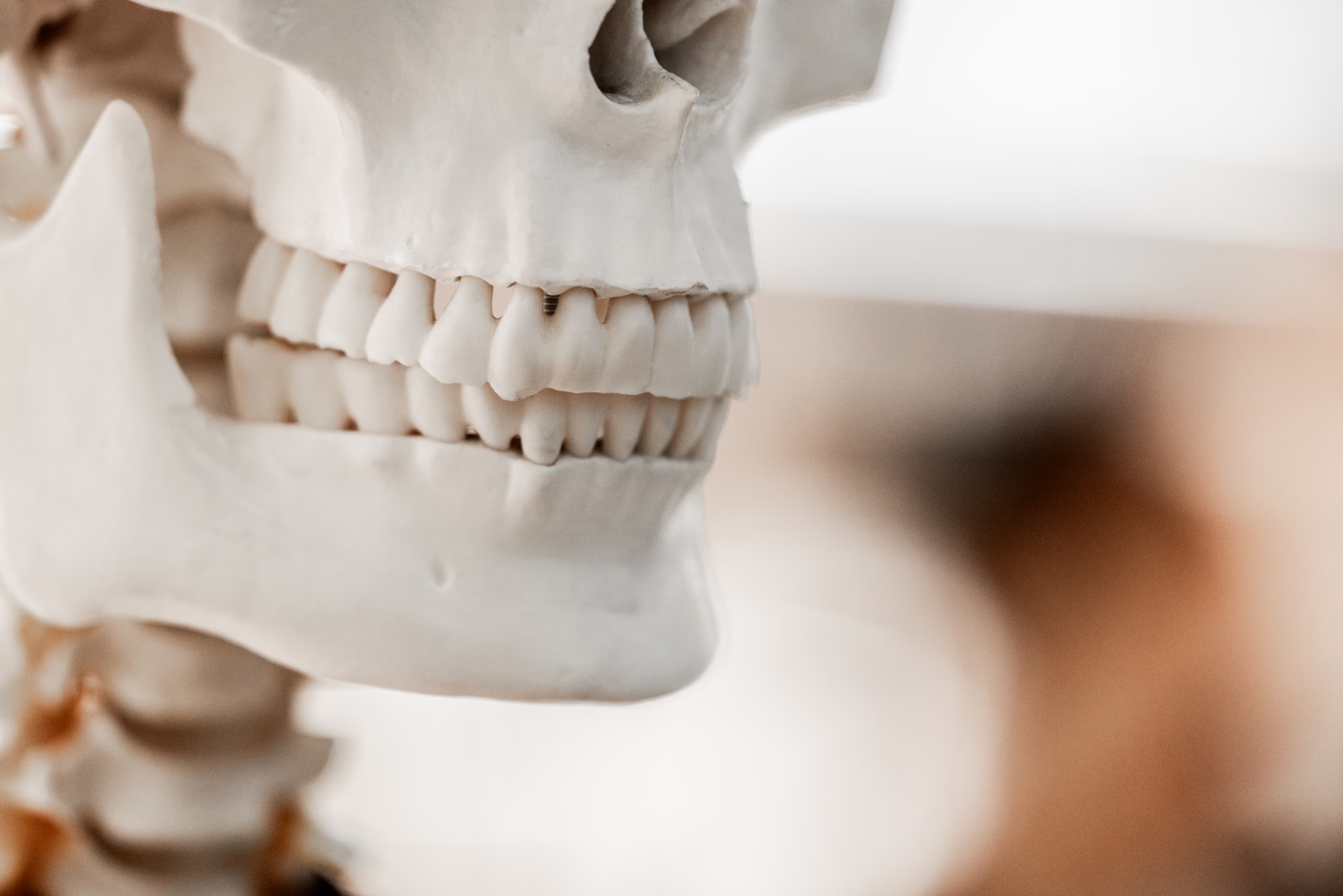
Botox, also known as botulinum toxin type A, temporarily relaxes certain muscles. For TMJ symptoms, the muscles often involved are the masseter muscles, and sometimes the temporalis muscles.
Think of it as reducing the volume on an overactive muscle. If clenching or grinding keeps the jaw working too hard, those muscles may stay tired and irritated.
Less muscle strain can mean less pressure on the jaw system. For the right person, Botox may be one solution for jaw tension that helps break the cycle of overwork.
Fact #2: Botox Is Usually Not the First Step
TMJ treatment generally begins with some simple treatments. Feeding on soft foods during flare-ups. Application of heat or cold. Moving the jaw gently. Changing habits. Wearing a mouth guard. Undergoing physical therapy. At times, drug therapy may be suggested.
None of this sounds exciting, but it matters.
Botox fits best as part of a plan, not as a shortcut around diagnosis. Conservative care gives us important information about how your jaw responds to. When patients are considering Botox injections for TMJ disorders, they should know Botox may support TMJ pain relief for some muscle-driven cases, but it is not the right first move for every jaw problem.
Fact #3: The Best Candidates Usually Have Muscle-Driven Symptoms
Not every jaw problem is a Botox problem. That is worth saying clearly.
Botox usually makes the most sense when the symptoms point toward overactive muscles. We may notice tender or enlarged masseter muscles, morning jaw tightness, clenching or grinding, tension headaches, or pain that worsens with stress or chewing. Jaw issues also lead to disturbed sleep.
The better we understand the source of pain, the better we can match the treatment.
If there is jaw locking, joint damage, recent trauma, infection, pregnancy, certain neuromuscular conditions, or a diagnosis that is still unclear, other oral health therapies may need to come first.
Fact #4: Temporary Botox Treatment Benefits
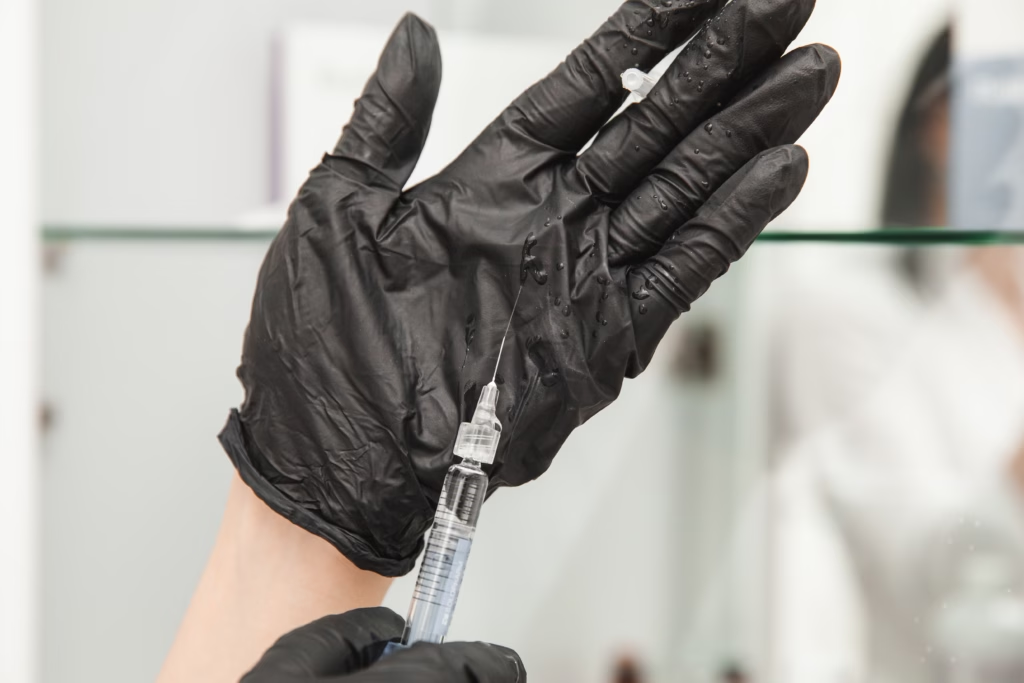
Botox does not usually feel instant. It is not one of those treatments where everything changes the minute you leave.
The change often builds slowly: less tightness, less morning soreness, and less force behind clenching. Maybe chewing feels a little easier.Temporary does not mean ineffective. It means we use the response as part of the larger plan. The goal is measurable improvement, not a one-time miracle. The advantages of Botox treatment can come in handy in cases of muscle overuse, although Botox will not treat all causes of TMJ malfunction.
Fact #5: Safety Depends on Diagnosis, Dosing, and Follow-Up
Accuracy is important as the jaw has great strength and sensitivity. Botox for TMJ patients should be customized to the patient’s symptoms, bite alignment, anatomical structures, and muscle movement.
Some side effects that may arise include bruising, soreness, muscle fatigue while chewing, and facial asymmetry when smiling due to the medication spreading to areas where it is not administered.
More does not mean better. Too much relaxation can make chewing feel weak. When understanding Botox injections for TMJ disorders, it also helps to know that muscle relaxants for TMJ and Botox injections are different treatment conversations.
Safe care is not just the injection. It is the planning around it.
Botox vs. Other Jaw Tension Solutions: How Do They Compare?
TMJ care is rarely one tool. It is usually a sequence.
A night guard may protect the teeth. Physical therapy may help with movement and coordination. Medications or muscle relaxers can be prescribed to alleviate the pain associated with TMJ spasms. Botox can relieve overuse muscle contraction when other measures are insufficiently effective.
A stronger plan connects symptoms, habits, muscles, bite, and recovery.
What Happens During a Botox Appointment for TMJ?
The treatment itself is simple. The planning that goes into it is what makes it thoughtful.
At the Ridge Oral Surgery clinic in New Jersey, a visit may include a symptom review, clenching history, muscle check, treatment-area mapping, skin cleaning, small targeted injections, and aftercare instructions.
Most patients return to normal daily routines quickly. Still, they should follow guidance about chewing, massage, exercise, and follow-up. We want patients to understand what we are treating before we treat it.
FAQs
Is Botox good for TMJ pain relief?
Sometimes. It may help when jaw pain is mainly due to overworked muscles, especially from clenching or grinding.
How long does Botox for TMJ take to work?
It usually builds gradually over days to weeks.
What are the main Botox treatment benefits for TMJ?
Less tightness, lighter clenching, fewer muscle flare-ups, and better chewing comfort may happen in selected patients.
Can Botox replace a night guard?
Not always. A night guard may still be needed to protect the teeth.
Is Botox for TMJ safe?
It can be safe for the right candidate when diagnosis, dosing, and follow-up are handled carefully.
Planning Botox for the Right Patient
At Ridge Oral Surgery, care may begin with symptom history, bite and muscle evaluation, imaging when needed, conservative-first recommendations, injection planning when appropriate, and follow-up.
Botox may help relax overactive jaw muscles, but it is not the answer for every patient. The right candidate usually has muscle-driven symptoms, a clear diagnosis, and realistic expectations.
Botox treatment for TMJ conditions is simplified when viewed as an alternative within the broader spectrum of dental treatments. Proper planning helps patients avoid guessing their way through their jaw problems.
Our aim is to help you take the next step with ease and safety. Contact Ridge Oral Surgery today!