From scheduling meetings, meeting deadlines, going to appointments, and keeping up with your family commitments, making time for a tooth extraction might seem like an ordeal. Luckily, with proper planning, this task will not be as tough as it sounds. With careful scheduling and realistic recovery plans, you can make it work without derailing everything else on your calendar.
In this guide, we explore how a good recovery plan should be realistic for you. By taking a few simple steps in advance, you can make your whole week easier.
Plan Your Dental Procedure Around a Busy Schedule
Most working adults don’t ask us about the procedure first. They ask about their calendar.
There’s a meeting next Tuesday. A flight the week after. A project that’s already behind schedule. Somewhere in the middle of all that sits wisdom teeth removal, waiting for a free spot that never seems to appear.
The good news is that treatment doesn’t have to derail your week. The best recovery plan is the one that respects your real life. We’ve found that patients usually do well when they stop looking for a perfect time and start looking for a realistic one. A few smart decisions before surgery can make the entire week feel easier.
Busy Professionals and Scheduling Wisdom Teeth Removal
If we could give only one scheduling tip, it would be this: look at your obligations before you look at available appointment dates.
A long weekend can help. So can a slower work period or a week when you’re working from home. Many professionals prefer Thursday or Friday appointments because recovery overlaps with the weekend.
The calendar matters almost as much as the procedure.
We’ve also seen people schedule surgery right before conferences, weddings, and major presentations. That rarely feels like a good idea afterward.
Do not schedule surgery right before the week you cannot afford to slow down.An early consultation helps you plan around recovery expectations, sedation needs, and the complexity of the case.
How Much Time Should You Take Off Work?
This answer is rarely the same for two people.
Someone answering emails from home may feel ready for light work sooner than a person who spends all day talking with clients. Physical jobs often require a longer recovery buffer.
Oral surgery recovery time depends on factors such as the number of teeth removed, impaction level, age, medical history, and sedation type.
Many desk-based professionals plan two or three lighter days rather than disappearing for an entire week. Think in terms of reduced workload, not just days off.
A slower start in the first few days can help prevent a longer setback.
What Happens During A Wisdom Tooth Extraction Appointment?
Most people are surprised at the simplicity of the procedure.
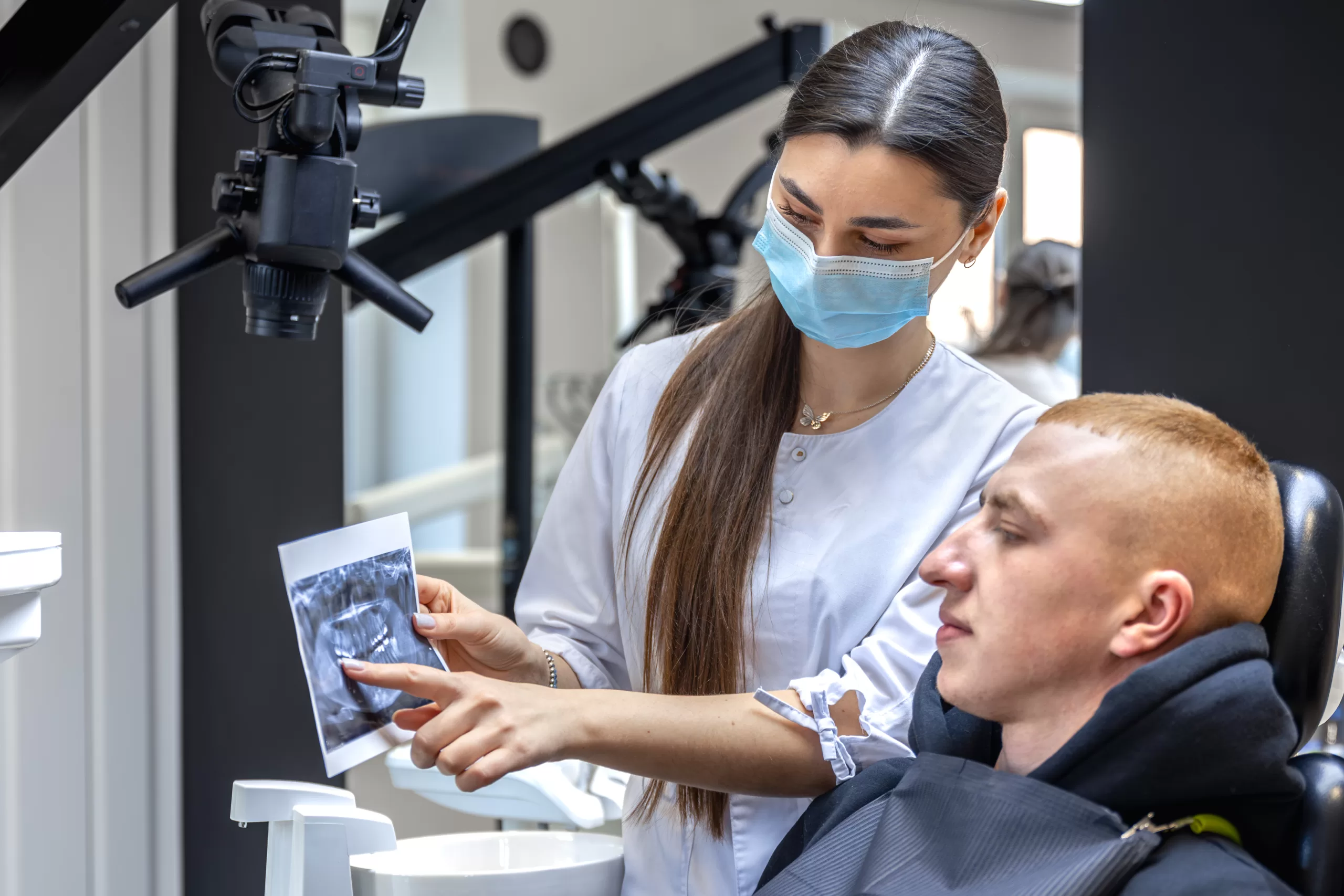
At the Ridge Oral Surgery clinic in New Jersey, a wisdom tooth removal consultation usually begins by gathering the patient’s medical history and images. After the final decision on treatment, the sedation or anesthesia will be explained, and the treatment will commence.
Some wisdom teeth are fully erupted. Others remain beneath the gums or bone and require a more surgical approach.A well-planned appointment should feel structured, not chaotic. You should know what is happening before treatment begins. Afterward, you’ll be monitored briefly and sent home with post-operative instructions.
Choosing Anesthesia Without Losing Control Of Your Schedule

Comfort planning is included in schedule planning.
According to the circumstances, a local anesthetic, laughing gas, oral sedative, or intravenous sedative could be recommended. This will depend on the patient’s level of anxiety, medical background, and type of treatment.
Anesthesia for oral surgery can affect the rest of your day. Patients receiving deeper sedation will need a driver and should avoid work, driving, or important decisions afterward.
The right sedation plan should make care safer, calmer, and more predictable.
Your Professional Recovery Timeline: Day 0 To Day 7
After wisdom teeth removal, recovery usually happens in stages.
- Day 0 is for rest, medications, gauze changes, hydration, and soft foods.
- Day 1 often brings soreness and swelling. If you can’t wait, keep tasks light.
- Days 2 and 3 are commonly when swelling peaks. That’s usually not the time for back-to-back meetings.
- Days 4 and 5 often feel more manageable, and many patients begin easing into light work.
- Days 6 and 7 are when normal routines begin to return, although complex cases may require additional time.
Your recovery should only get better, and not suddenly worsen. If your job requires talking all day, build in more buffer.
How To Prep Your Workweek Before Surgery
Prepare your calendar as you would for a major deadline.
Move important meetings if possible. Send updates before surgery. Let coworkers know you may be slower to respond.
If sedation is planned, arrange transportation in advance. Have medications and soft foods ready before the day of surgery.
Remote workers may benefit from camera-off blocks and shorter calls. Executives often find it helpful to delegate urgent approvals for a few days.
The fewer decisions you make after surgery, the better.
Eating, Hydration, And Energy When You Still Have Work To Do
People sometimes overthink recovery meals.
In reality, simple foods tend to work best. Greek yogurt, applesauce, scrambled eggs, mashed potatoes, soft pasta, smoothies without straws, and soup that is warm rather than hot are common choices.
Low-effort food is part of high-quality recovery. Avoid straws, crunchy snacks, seeds, alcohol, spicy foods, and very hot drinks early on.Do not let a busy workday push you into poor food choices.
Meetings, Calls, Travel, And Exercise: When Can You Resume?
Returning to work is not the same as returning to work at full speed.
Calls and meetings should be kept brief in the early stages of recovery, particularly when jaw stiffness occurs. Traveling becomes simpler when any swelling and bleeding have subsided sufficiently, and further treatment is still available.
As far as exercise is concerned, begin by walking before engaging in any strenuous exercise routines.
Recovery is easier when you add responsibilities back in layers.That approach generally makes oral surgery recovery time feel more manageable.
What Not To Do If You Want A Smooth Recovery
Many recovery setbacks stem from simple mistakes.
Smoking, vaping, drinking through straws, intense exercise, skipping medications, crunchy foods, or ignoring worsening pain can increase bleeding, swelling, dry socket risk, and delayed healing.
Do not let productivity habits override healing instructions.
The small rules are often what protect the big outcome.
FAQs
How many days should I take off for wisdom teeth removal?
Most professionals plan a few lighter days, but the timeline depends on the procedure and the type of work they do.
Can I work the day after surgery remotely?
Some people can handle light email work, though meetings and decision-heavy tasks are usually better delayed.
Is wisdom tooth extraction worse for adults?
Adult wisdom tooth extraction cases can be more involved, which is why imaging and planning matter.
Will anesthesia for oral surgery affect my work schedule?
It can. Deeper sedation requires an escort and a full recovery day away from work responsibilities.
When can I travel after surgery?
Most patients prefer to wait until swelling, discomfort, and bleeding are clearly improving.
The Smartest Recovery Starts Before Surgery

At Ridge Oral Surgery, we know that recovery has to fit into real schedules. Our goal is to make the plan feel clear before surgery day.
From consultation and imaging through sedation, recovery advice, and aftercare assistance, we help patients learn what to expect. Patients need to know how to recover safely without stopping their lives.
Whether you’re arranging a tooth extraction while working a difficult job or juggling many commitments as a parent, being time-savvy is key.If you’re considering treatment, schedule a consultation with Ridge Oral Surgery today!