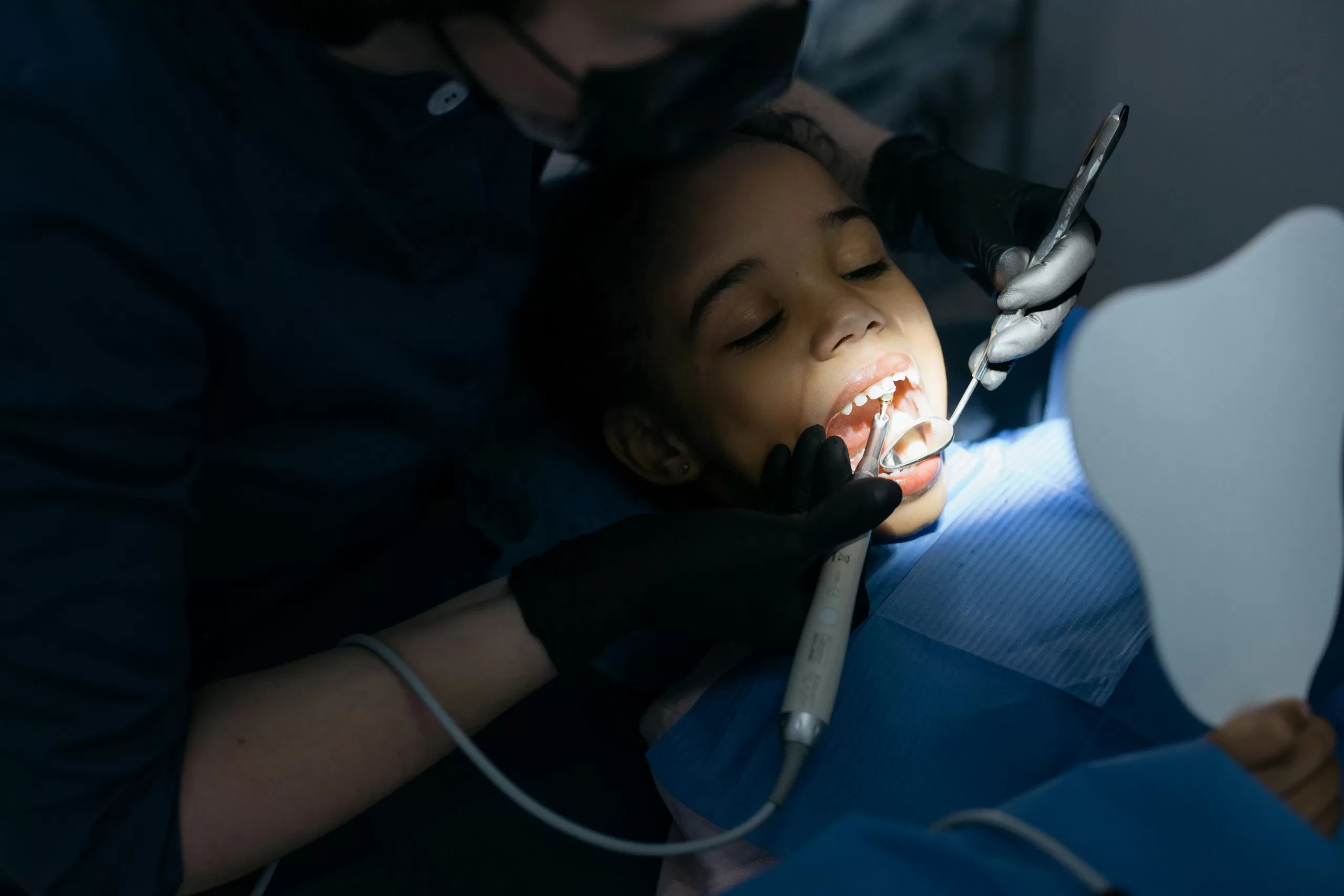
There’s something about tooth pain that feels urgent the moment it worsens. It doesn’t wait for a convenient time, and it rarely settles on its own once it reaches a certain point. Many patients come in unsure whether they need immediate treatment or can hold off.
When we talk about emergency tooth extraction, we always remind patients of one thing: the goal is not to remove a tooth quickly, but to make the safest decision as quickly as possible. A calm plan matters most when the pain feels urgent.
Infections, swelling, or trauma can turn a dental issue into something more serious if ignored. In this blog, we attempt to provide you with some clarity regarding dental emergencies in Morristown.
What Counts as an Emergency Tooth Extraction?
Not every toothache leads to extraction, but some situations don’t give you much room to wait. An emergency tooth extraction is usually considered when the tooth is no longer restorable or when delaying treatment could worsen infection or damage.
We always begin with evaluation. Even in an emergency, diagnosis comes first.
Deep decay that reaches the nerve, fractures that extend below the gumline, active abscesses, or teeth that have become loose due to advanced gum disease are some of the common reasons we see. Trauma can also necessitate immediate removal.
Signs You Should Not Ignore
Some symptoms make the situation clearer. Severe, constant pain is one. Swelling is another, and it often tells us more than the pain itself.
Pain is information, but swelling is urgency.
Patients may also notice a bad taste, drainage, or discomfort when chewing. Fever or difficulty opening the mouth can signal that the issue is spreading.
If symptoms are escalating, waiting rarely works in your favor. And if swelling starts to affect breathing or swallowing, it requires immediate medical attention.
When Should You Go to the ER?
It’s a common question. When people search for a tooth extraction near me, they are usually looking for a place to go right away.
If the issue is localized, like tooth pain, a broken tooth, or a manageable abscess, a dental or oral surgery office is usually the right place.
The situation changes if there are signs of a medical emergency. Trouble breathing, difficulty swallowing, or rapidly spreading swelling are reasons to go straight to the ER. The right first stop depends on whether the problem is local or medically urgent.
Can You Get a Same-Day Extraction in Morristown?
In many cases, yes. But it’s never automatic.
Same-day extraction depends on what is safest, not just what is fastest. We look at the extent of infection, the tooth’s position, and your overall health before deciding.
Sometimes, controlling the infection first is the better approach. Even if the tooth is not removed immediately, early evaluation still puts you on the right path.
What Happens During an Emergency Visit?
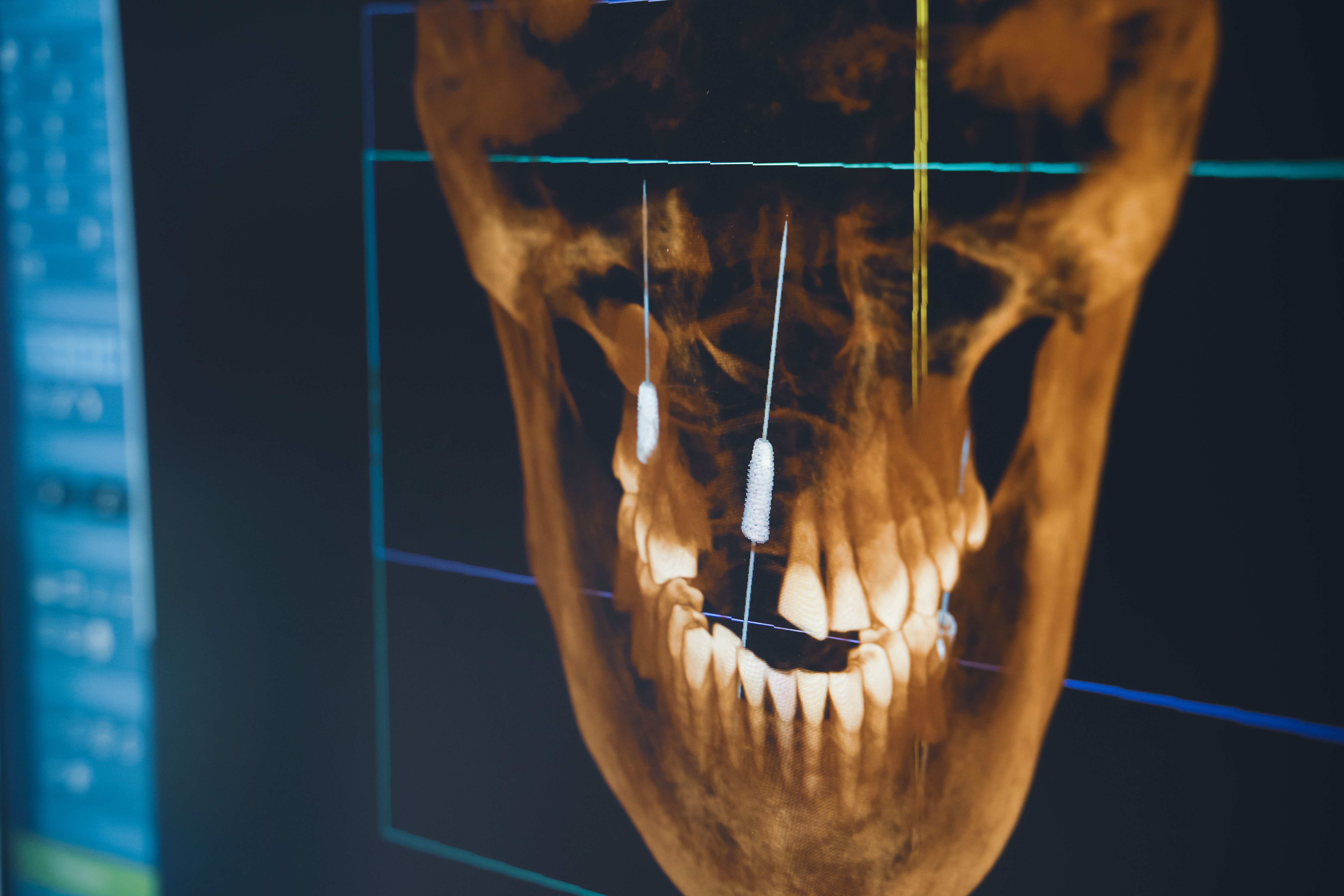
Even in urgent situations, the visit should feel structured. We start by understanding your symptoms and reviewing your medical history. Imaging helps us see what’s happening beneath the surface.
From there, we decide whether the tooth can be saved or needs to be removed. We walk you through the plan before anything begins. You should understand the plan before treatment starts.
If extraction is needed, it’s done with a focus on comfort, followed by clear instructions for recovery.
Pain Control and Sedation Options
Pain is usually the biggest concern when patients walk in. Comfort planning is part of emergency care.
Local anesthesia is standard, and depending on the case, sedation options may be considered. The safest sedation plan is personalized.
In more complex situations, an emergency dentist may refer patients for surgical care where additional support and sedation options are available.
Recovery After an Emergency Tooth Extraction
The first few days after an emergency tooth extraction are more about protection than activity. Some bleeding, swelling, and soreness are expected.
The first few days are about protecting the clot and controlling inflammation.
Using gauze as directed, avoiding straws, and sticking to soft foods all help the area heal. Smoking or aggressive rinsing can interfere with recovery.
Recovery is smoother when you do less than you think you can. If symptoms worsen rather than improve, it’s important to follow up.
What Happens After the Tooth Is Removed?
Once the painful tooth is gone, the immediate issue is resolved, but the long-term plan still matters.
Removing the tooth is step one. Preserving your future options is step two.
We usually discuss replacement options early, whether that’s an implant, bridge, or another solution. In some cases, bone support is preserved at the time of extraction to make future treatment easier.
Why Morristown Patients Benefit From Local Surgical Care
When something hurts, close-to-home care matters. Being able to return easily for follow-up or ask questions without delay makes a difference.
For those searching for tooth extraction near me, local care means quicker access and a smoother experience overall. At Ridge Oral Surgery, we focus on making urgent situations feel manageable and clearly guided.
FAQs
Can an infected tooth be removed the same day?
Sometimes. It depends on the infection and overall safety.
Is a same-day extraction painful?
The area is numbed, and sedation may be used. Most patients feel pressure rather than pain.
How do I know if I need an emergency dentist or an oral surgeon?
A general provider may assess first, but more complex cases are often referred.
What should I do while waiting for my appointment?
Avoid chewing on the affected side and monitor symptoms. Seek care if things worsen.
Can I drive after an emergency extraction?
It depends on anesthesia. Sedation requires an escort.Fast Relief Starts With the Right Evaluation
Fast Relief Starts With the Right Evaluation

When patients come in, they’re usually focused on relief. That’s important, but so is understanding what comes next.
We focus on clear evaluation, comfort, and a plan that makes sense beyond the immediate problem. You should not have to make rushed decisions while you are in pain.
Tooth pain accompanied by swelling, infection, or damage should not be ignored. While same-day care is often possible, it always depends on what is safest.
The best outcomes come from making the right decision early, not just the fastest one.