If you’ve been searching for an oral surgeon in Summit, you’re probably not just looking for the closest office. You’re looking for someone you can trust. Surgery of any kind comes with questions, and most people want answers before they commit to treatment.
A nearby appointment is helpful, but the right surgeon should also make you feel informed and confident. Whether you’re dealing with painful wisdom teeth, replacing a missing tooth with an implant, or something more complex, asking a few thoughtful questions now can save you from unnecessary stress later.
Why Patients Search for an Oral Surgeon in Summit
No two patients walk through the door for the same reason. Some people need impacted wisdom teeth removed before they become a bigger problem. Others are planning for dental implants, bone grafting, or a difficult extraction that their general dentist prefers not to handle.
Choosing an oral surgeon in Summit also makes the practical side of treatment easier. Local care matters most when the treatment involves sedation, follow-up, or recovery. If you have questions after surgery or need a quick follow-up visit, being close to home is one less thing to worry about. It also helps when your surgeon and dentist can easily coordinate your care. Specialty care close to home can make the entire process feel more manageable.
Question 1: Are You Board-Certified or Specialty-Trained?
Most patients don’t ask about credentials because they’re not sure what they mean. It’s worth asking anyway.
Credentials do not replace bedside manner, but they indicate how thoroughly a surgeon has trained. If you’ve searched for “board-certified oral surgeons near me”, ask whether the surgeon is board-certified, what kind of specialty training they completed, and how often they perform the procedure you need. The more complex the case, the more training and judgment matter. A good surgeon won’t mind answering those questions.
Question 2: What Procedures Do You Perform Most Often?
Experience isn’t just about how many years someone has practiced. It’s also about what they do every week.
If you’re considering oral surgery, ask how often your surgeon performs procedures like yours. Whether it’s wisdom teeth, implant placement, bone grafting, or another type of oral surgery, regular experience often leads to better planning and fewer surprises. You want a team that handles your kind of case routinely, not occasionally. Experience shows up long before the procedure begins.
Question 3: What Imaging and Technology Do You Use Before Treatment?
The best surgical plan starts before the day of surgery.
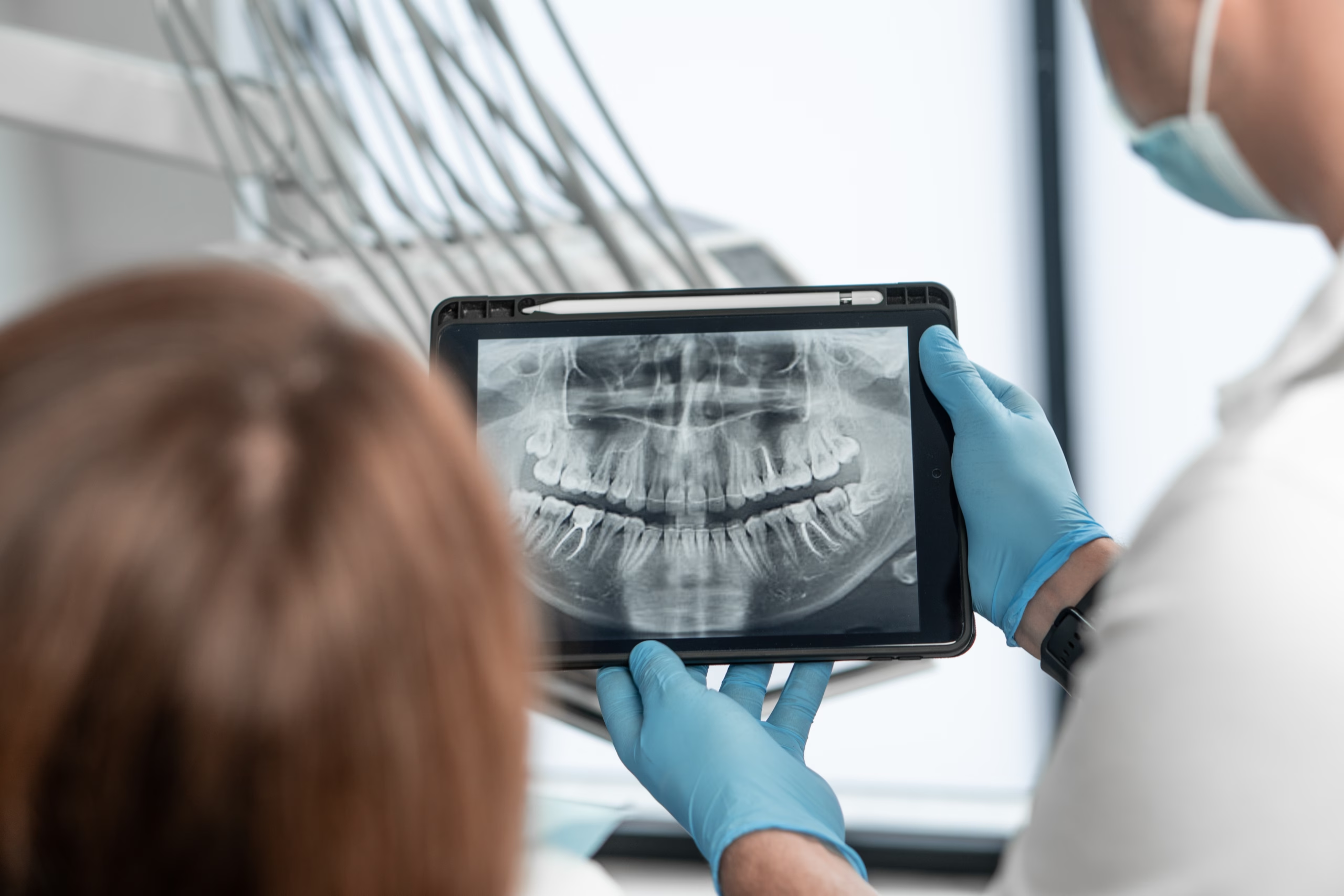
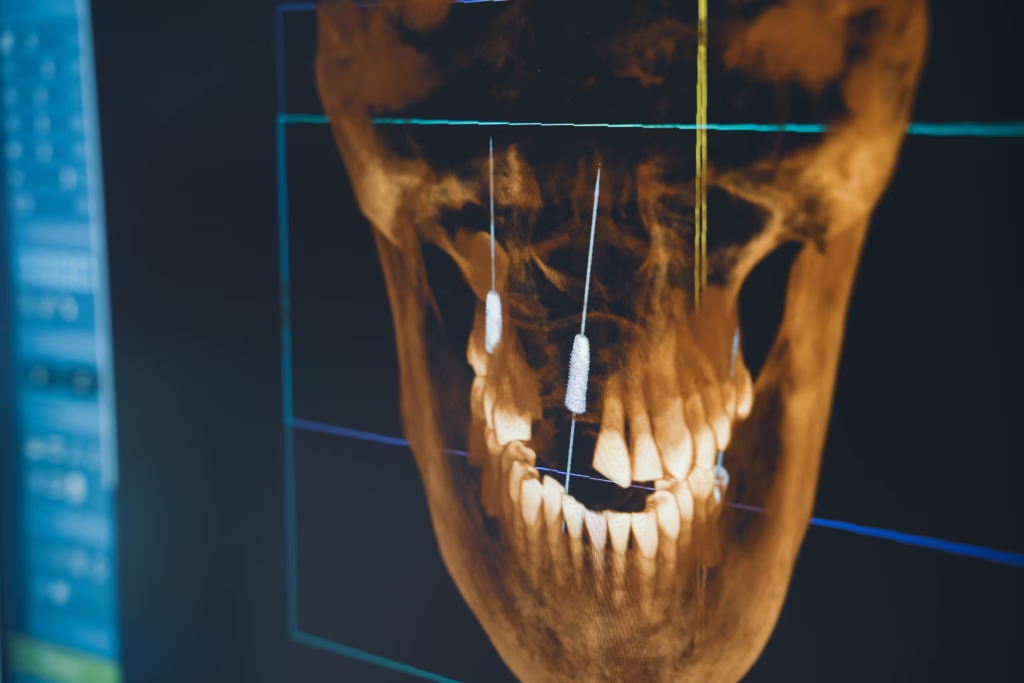
Modern imaging gives your surgeon a clearer picture of what’s happening beneath the surface. These elements include the nerve path, bone height, root form, and sinus location.
If you are planning to have dental surgery in Summit, you should ask about using digital X-rays or CBCT scans to evaluate your case. These images will turn guesswork into numbers, allowing your surgeon to plan according to what he sees.
Question 4: What Sedation and Comfort Options Are Available?
It’s completely normal to feel nervous before surgery. In fact, many patients do.
Comfort planning is part of surgical planning. Depending on your health history and the procedure itself, your surgeon may recommend local anesthesia, nitrous oxide, oral sedation, or IV sedation.
Don’t hesitate to ask what you’ll experience before, during, and after treatment. Knowing whether you’ll need to fast beforehand or arrange for someone to drive you home can make the day feel far less overwhelming.
Question 5: How Do You Handle Follow-Up and Complications?
Most people focus on surgery day, but recovery is when questions usually come up. That’s why it’s important to ask what happens after you leave the office.
The care plan should not end when the procedure does. Find out who to contact if something doesn’t feel right, when your follow-up visit is scheduled, and which symptoms to expect during healing. A good team tells you what is normal and what is not, so you’re not left guessing at home.
Question 6: Will You Coordinate With My Dentist or Orthodontist?
Oral surgery rarely happens in isolation. If you’re getting a dental implant, planning orthodontic treatment, or preparing for future restorative work, your providers should be working together.
The best outcomes are rarely the result of isolated decisions. Your surgeon and dentist should be building the same plan. When everyone is on the same page, treatment tends to move more smoothly, and you spend less time wondering who’s responsible for the next step.
Question 7: What Will Recovery Actually Look Like for Me?
No two recoveries are exactly alike. Someone having a single tooth removed won’t heal the same way as someone receiving implants or undergoing bone grafting.
Recovery guidance should be specific enough to help you plan real life. Ask how long you’ll need to rest, when you can return to work or the gym, and what you should expect over the next few days. A confident plan includes what happens after you leave the office, not just what happens in the chair.
Red Flags to Watch for Before Booking
Trust your instincts during a consultation. Good care should feel clear, not rushed.
If you don’t receive a clear explanation of your diagnosis, there’s little discussion about imaging or sedation, or you feel pressured to schedule treatment before your questions are answered, take a step back. If you leave more confused than you arrived, keep asking questions. Anyone considering dental surgery in Summit deserves straightforward answers before making a decision.
FAQs
How do I choose an oral surgeon in Summit?
Start by looking for specialty training, modern imaging, clear communication, and a surgeon who takes time to answer your questions.
Should I search for board-certified oral surgeons near me?
Yes. Board certification is one way to confirm that a surgeon has completed advanced training and met recognized professional standards.
What procedures does an oral surgeon usually perform?
They commonly perform wisdom teeth removal, dental implants, bone grafting, complex extractions, oral pathology procedures, and treatment involving the jaw.
Is local follow-up important after oral surgery?
Yes. Recovering close to your surgeon makes follow-up visits and unexpected concerns much easier to manage.
What should I bring to my first consultation?
Bring any referral, recent X-rays if you have them, a list of medications, your medical history, insurance information, and the questions you’d like answered.
How We Approach Oral Surgery Care in Summit

Choosing an oral surgeon in Summit isn’t simply about finding the nearest office. It’s about finding someone who listens, explains your options, and helps you feel comfortable with the plan ahead.
At Ridge Oral Surgery, we believe patients make better decisions when they have the information they need. That’s why we take time to explain your options, review advanced imaging, discuss sedation when appropriate, and coordinate care with your dentist whenever needed.
Our goal is to give Summit patients surgical care that feels clear, precise, and supportive from the first visit. The right plan should make you feel more certain, not more overwhelmed.
If you’re ready to explore your options, schedule a consultation with Ridge Oral Surgery.