Most people don’t start their week thinking they’ll need an oral surgeon. Usually, it begins with a referral from the dentist, a wisdom tooth that’s become impossible to ignore, or a missing tooth they’re finally ready to replace. When that happens, it’s tempting to look for the closest office and book the first available appointment. A nearby appointment is helpful, but the right surgical plan matters more.
These professionals specialize in treating problems related to the mouth, jaws, and face. Whether you require dental implants, wisdom teeth removal, or any other procedure, choosing the best oral surgeon in Summit shouldn’t make the process more complicated; it should make it more comprehensible. In this blog, we explore the importance of asking the right questions.
Why Choosing an Oral Surgeon in Summit Requires More Than a Quick Search
Being close to home certainly helps, especially if you’ll need follow-up care after surgery. But convenience shouldn’t outweigh experience. Some patients need a straightforward extraction, while others require bone grafting, implants, or treatment around sensitive nerves. Those situations deserve as much careful planning as they do a convenient location.
Step 1: Start With Training, Credentials, and Board Certification
Most patients never ask about a surgeon’s training, yet it’s one of the most useful questions they can ask. Credentials are not just letters after a name; they reflect training, testing, and accountability.
If you’re unsure, ask how often the surgeon performs your procedure and whether they’re board-certified. Experience and judgment often shape the outcome long before surgery begins.
Step 2: Match the Surgeon’s Experience to Your Procedure
Not every procedure asks for the same expertise. Someone planning a single implant has different needs than a patient preparing for full-arch treatment or bone grafting. A strong treatment plan begins with the end result in mind.
If you’re exploring dental implants in Summit, ask how treatment is planned and how your surgeon works with the dentist who’ll complete your restoration.
Step 3: Ask How Wisdom Teeth Are Evaluated and Planned
Wisdom teeth aren’t automatically removed just because they’re there. The question is whether they’re likely to create problems. Their position, root development, nearby nerves, and your age all play a role in the decision. Good timing can make recovery easier and reduce future complications, which is why a careful evaluation matters.
Step 4: Look for Advanced Imaging and Technology
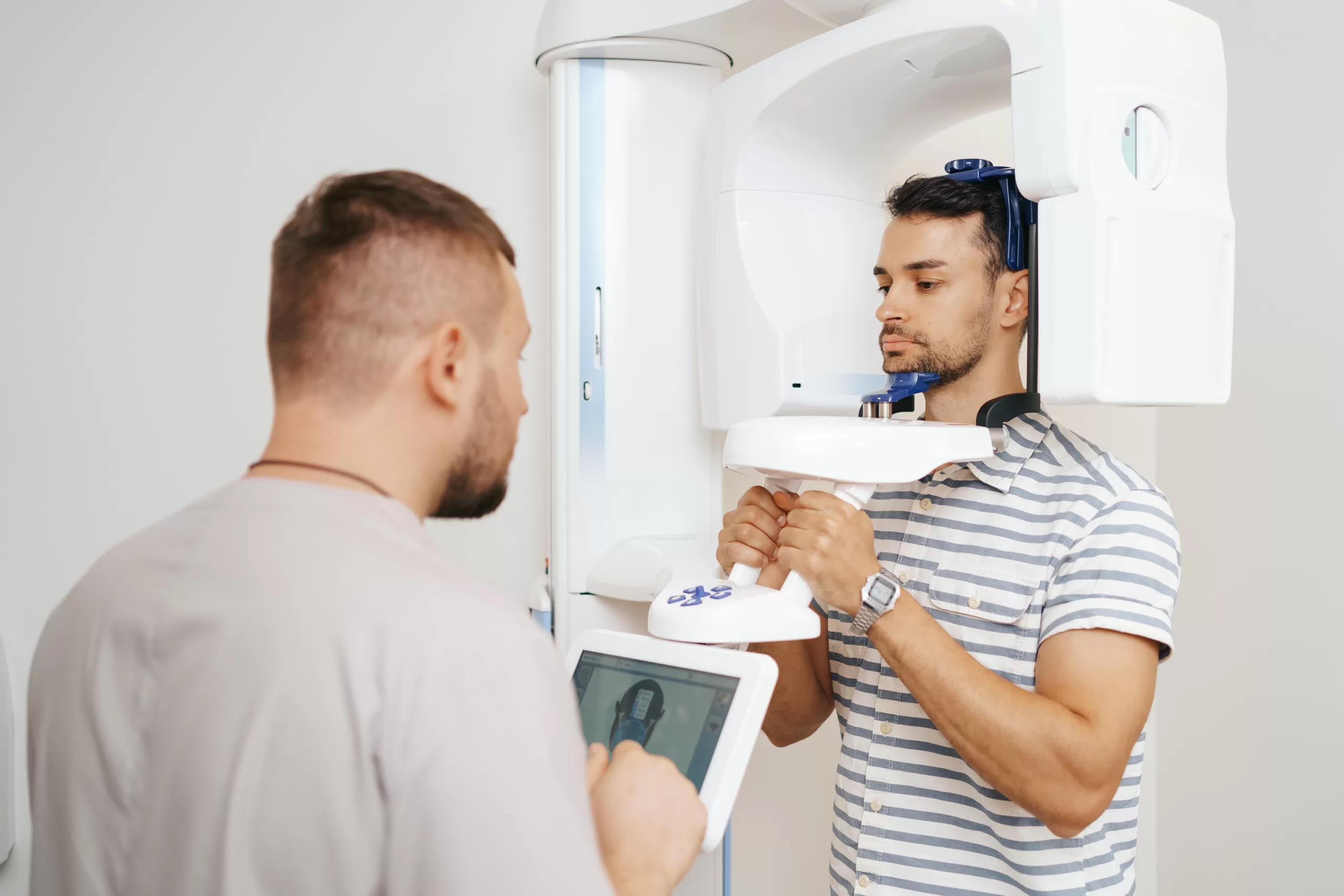
The technology should solve problems and not create hype. To suggest any procedure, the surgeon should know what is happening beneath your skin.
The digital imaging technique allows the surgeon to analyze bone structure, nerve location, and other information required before the extraction or implantation procedure.
Step 5: Understand Sedation and Comfort Options Before You Book
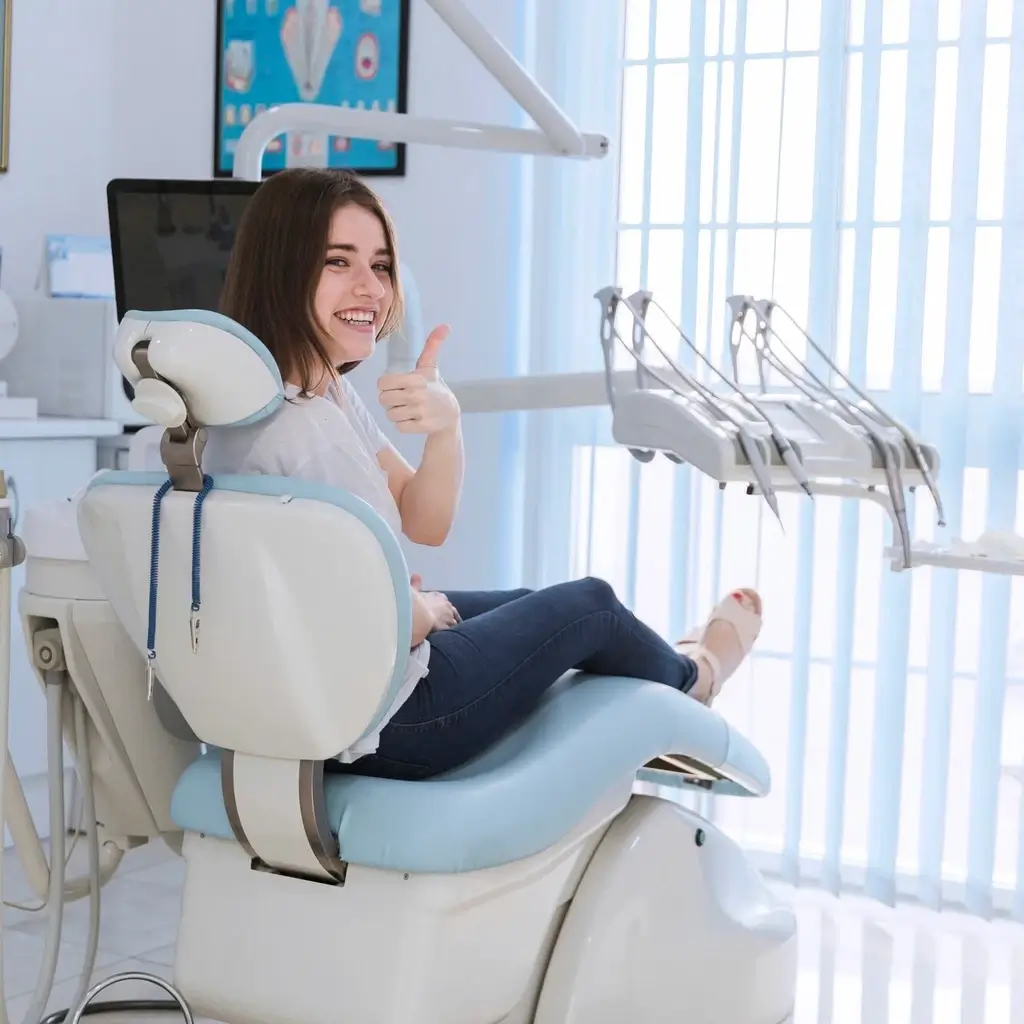
It’s normal to feel anxious about oral surgery, even when the procedure itself is routine. That’s why the conversation shouldn’t stop at what needs to be done. It should also cover how you’ll stay comfortable throughout the appointment.
Comfort is not an extra. It is part of safe surgical planning. Ask whether local anesthesia, nitrous oxide, oral sedation, or IV sedation is appropriate for you. You’ll also want to know what to expect afterward, including whether someone should drive you home and how you’ll be monitored during treatment.
Step 6: Evaluate the Consultation Experience

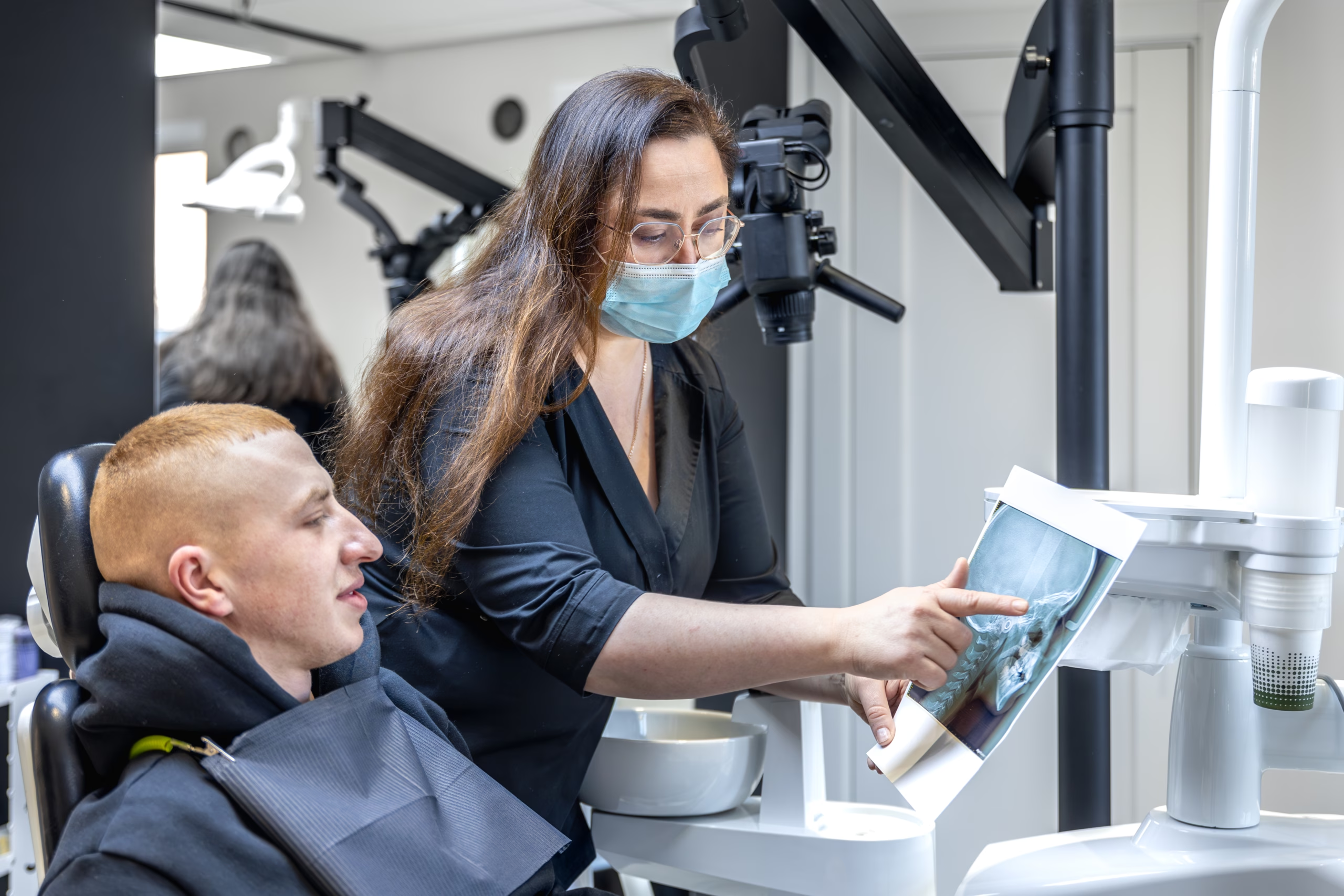
The first appointment tells you more than you might expect. It’s your chance to see how the practice communicates before any treatment begins.
A good consultation should leave you calmer than when you arrived. You should understand your diagnosis, see any imaging that’s being discussed, and have enough time to ask questions. If you feel rushed or pressured to make a decision, it’s reasonable to pause. You should never feel like you are agreeing to treatment you do not fully understand.
Step 7: Ask How Follow-Up and Coordination Work
The procedure may only take a short time, but recovery continues after you leave the office. That’s when new questions often come up.
The best outcomes often come from coordinated care, not isolated appointments. Ask how follow-up visits are handled, who you’ll contact if something doesn’t feel right, and how your surgeon communicates with your general dentist or orthodontist when additional treatment is involved. Good follow-up should feel organized, accessible, and reassuring.
FAQs
How do I know if I need an oral surgeon instead of a dentist?
If your treatment involves dental implants, impacted teeth, bone grafting, complex extractions, sedation, or jaw concerns, your dentist may recommend a specialist.
What should I ask before booking dental implant treatment?
Ask about CBCT imaging, bone quality, healing time, restorative planning, and whether grafting may be needed.
Does every patient need wisdom teeth removal?
No. Some wisdom teeth remain healthy, while others are more likely to cause future problems.
Why do board-certified oral surgeons matter?
Board-certified oral surgeons have completed advanced specialty training and formal evaluation beyond dental school.
How soon can I return to work or school?
Recovery depends on the procedure, but many patients return to normal routines within a few days after simpler treatment.
Choose the Team That Gives You Clarity

At Ridge Oral Surgery, we believe every recommendation should be easy to understand. Our goal is to help patients understand not just what treatment is recommended, but why. We take time to explain imaging, discuss comfort options, coordinate with referring providers, and answer questions before treatment begins. If you’re comparing options for an oral surgeon in Summit, the right team should make the next step feel clear.
Selecting a dentist for oral surgery is not about locating the closest dental office. It’s all about selecting a professional team that will ensure you’re well-informed before you make the decision, that communicates clearly and plans meticulously.