One of the first questions we hear from patients considering dental implants is, “Should I choose ceramic or titanium?” It’s a reasonable confusion, especially when you’ve spent time researching online and discovered that both materials are used to replace missing teeth.
The fact is that there isn’t a universal answer. While zirconia implants have gained attention for their metal-free design and natural color, titanium implants remain the most widely used option in implant dentistry. The better choice depends on factors such as your bone quality, bite forces, gum tissue, esthetic goals, and the type of restoration you need.
The U.S. Food and Drug Administration recognizes both titanium and zirconium oxide as materials used in dental implant systems, but selecting between them requires more than comparing materials alone. A beautiful result begins with the right foundation.
In this guide, we’ll explain how these implant materials differ, where each one performs best, and why the best implant material is not the trendiest one. It is the one your smile can support long-term.
What Are Zirconia Implants?
Zirconia implants are implant posts made from zirconium oxide, a durable ceramic material. Because they are white rather than metallic, they can be an attractive option for patients with thin gum tissue or who want to avoid the possibility of a dark metal hue showing near the gumline.
Patients often ask about zirconia because they:
- Prefer a metal-free restoration
- Have cosmetic concerns about front teeth
- Want a natural-looking gumline
- Have personal preferences related to biocompatibility
These are all valid reasons to explore ceramic implants, but they do not automatically make zirconia the better choice.
Ceramics can be an excellent option, but only when the anatomy and bite support it. The material should serve the treatment plan, not lead it. Before recommending any implant, we evaluate how your bone, gums, and bite will support it over the long term.
What Are Titanium Implants?
Titanium implants are metal posts used for decades to replace single or multiple teeth and to support full-arch restorations. Their long clinical history has helped make them one of the most studied and predictable treatment options in modern dentistry.
Titanium has earned its place because it is strong, adaptable, and well studied.
Its popularity comes from several advantages:
- Reliable integration with the jawbone
- Multiple sizes and component options
- Flexibility for complex implant treatment
- Strong performance in areas exposed to higher chewing forces
For many patients, predictability is the most important feature. Titanium’s versatility allows surgeons and restorative dentists to plan treatment for a wide range of situations, from replacing one missing tooth to rebuilding an entire smile.
Zirconia vs. Titanium: The Main Differences Patients Should Understand
Patients often expect one material to clearly outperform the other. In reality, this is not a simple good-versus-bad comparison.
| Feature | Zirconia | Titanium |
| Material | White ceramic | Medical-grade metal |
| Appearance | Tooth-colored | Gray metallic |
| Esthetics | May benefit patients with thin gum tissue | Excellent with proper placement and healthy tissue |
| Design | Often fewer component options | Broad range of restorative components |
| Clinical evidence | Growing body of research | Longer-term clinical data available |
Research comparing zirconia and titanium implants has shown encouraging results for both materials, although titanium currently has the stronger long-term evidence base and broader survival data. The real question is which material fits your mouth, your bite, and your long-term restoration.
Which Option Looks More Natural at the Gumline?
Many people assume the color of the implant determines how natural the final result will look. In reality, the appearance of your smile depends on much more than the implant material.
Because zirconia is white, it may offer an esthetic advantage in the smile zone when gum tissue is naturally thin or more likely to recede over time. However, titanium implants can also produce highly natural-looking results when they’re carefully positioned and paired with healthy gum tissue, custom restorations, and, when necessary, soft tissue grafting.
A natural-looking implant result is designed from the gumline up and the bone down. Color helps, but position, tissue support, and crown design matter just as much.
Which Implant Material Is Stronger for Chewing and Long-Term Function?
Strength is one of the biggest differences patients consider, especially if they grind their teeth or need to replace back teeth that handle greater chewing forces.
Titanium is often recommended for patients with stronger bite forces, limited bone volume, or more complex restorative needs because it offers greater flexibility in treatment planning. Zirconia can also provide durable, long-lasting results, but careful case selection is essential.
The material is only part of the equation. Other factors that influence long-term success include:
- Teeth grinding or clenching (bruxism)
- Poor bone density
- Smoking
- Gum disease
- Uncontrolled diabetes
- Inconsistent oral hygiene
Strength is not just about the material. It is also about bite design. The safest implant is the one protected from forces it was not meant to carry.
What Do Full Mouth Zirconia Implants Really Mean?
Many patients searching for full mouth zirconia implants assume the entire implant system is made from zirconia. In many cases, that is not what the term means.
Often, the phrase refers to a full-arch zirconia bridge supported by dental implants. The visible teeth may be made from zirconia, while the implant posts beneath them may be titanium, zirconia, or another material selected for your anatomy.
The teeth you see and the implants beneath them are not always made from the same material.
Zirconia has become a popular material for full-mouth restorations because it offers excellent durability, a smooth polished surface, stain resistance, and a natural appearance. However, the best outcome depends on planning the restoration and implant system together rather than selecting one material in isolation.
Who May Be a Better Candidate for Zirconia?
Some patients are excellent candidates for ceramic implants, while others may benefit from a different approach.
A ceramic implant can be a strong choice when the foundation is right. You may be a good candidate for zirconia implants if you:
- Have healthy bone support.
- Need to replace a front tooth where esthetics are especially important.
- Have thin gum tissue that could reveal darker materials.
- Prefer a metal-free treatment option.
- Have favorable bite forces.
On the other hand, caution may be needed if you have severe teeth grinding, require extensive bone grafting, have limited bone volume, or need a highly complex full-arch reconstruction. Candidacy is measured, not assumed.
Who May Be a Better Candidate for Titanium?
Titanium continues to be the preferred choice in many complex implant cases.
It may be recommended for:
- Back teeth exposed to heavy chewing forces.
- Multiple missing teeth.
- Full-arch implant treatment.
- Cases requiring angled implant placement.
- Patients who clench or grind their teeth.
- Situations involving significant bone grafting.
Titanium is often chosen when the case needs flexibility. Its wide range of restorative components allows the surgical and restorative teams to customize treatment with greater precision. The more complex the reconstruction, the more planning options matter.
Choosing Dental Implants Morristown Patients Can Feel Confident About
Choosing dental implants that Morristown, NJ patients can trust involves much more than selecting a material.
A thorough evaluation should include CBCT imaging, an assessment of bone and gum health, bite analysis, restoration planning, and a discussion of the benefits and limitations of each implant system.
The right implant plan should make the material choice feel clearer, not more confusing. Local implant care also makes follow-up visits, healing assessments, and long-term maintenance more convenient throughout your treatment journey.
Why the Surgeon’s Planning Matters More Than the Material Alone
Whether an implant succeeds over the long term depends on careful planning long before surgery begins.
Bone volume, gum thickness, implant position, bite forces, healing capacity, infection control, and restoration design all influence the final result. Even the highest-quality implant cannot compensate for poor diagnosis or improper placement.
If you’re looking for an oral surgeon in Morristown, choose someone who evaluates your entire bite instead of focusing only on the missing tooth. CBCT imaging, digital surgical planning, and close coordination with your restorative dentist help create a treatment plan that supports both function and esthetics for years to come.
A premium material cannot compensate for poor planning. The best implant result is surgical, restorative, and biological all at once.
FAQs
Are zirconia implants better than titanium implants?
Not always. Zirconia implants may be an excellent choice for some esthetic or metal-free cases, while titanium may be better suited for complex treatment or areas exposed to higher chewing forces.
Do zirconia implants last as long as titanium?
Current research is promising, but titanium has a longer clinical history with extensive long-term data. The best option depends on your anatomy, bite, bone support, and long-term maintenance.
What are full mouth zirconia implants?
The term full mouth zirconia implants often refers to a zirconia full-arch bridge supported by implants rather than implant posts made entirely from zirconia.
Where can I compare dental implant options in Morristown, NJ?
A comprehensive consultation allows you to compare materials, CBCT findings, bone conditions, restoration choices, and long-term expectations before making a decision.
Should I see an oral surgeon in Morristown for implant planning?
Yes. An oral surgeon in Morristown can evaluate bone quality, determine whether grafting is needed, assess bite forces, and coordinate treatment with your restorative dentist.
How We Help Patients Choose the Right Implant Material
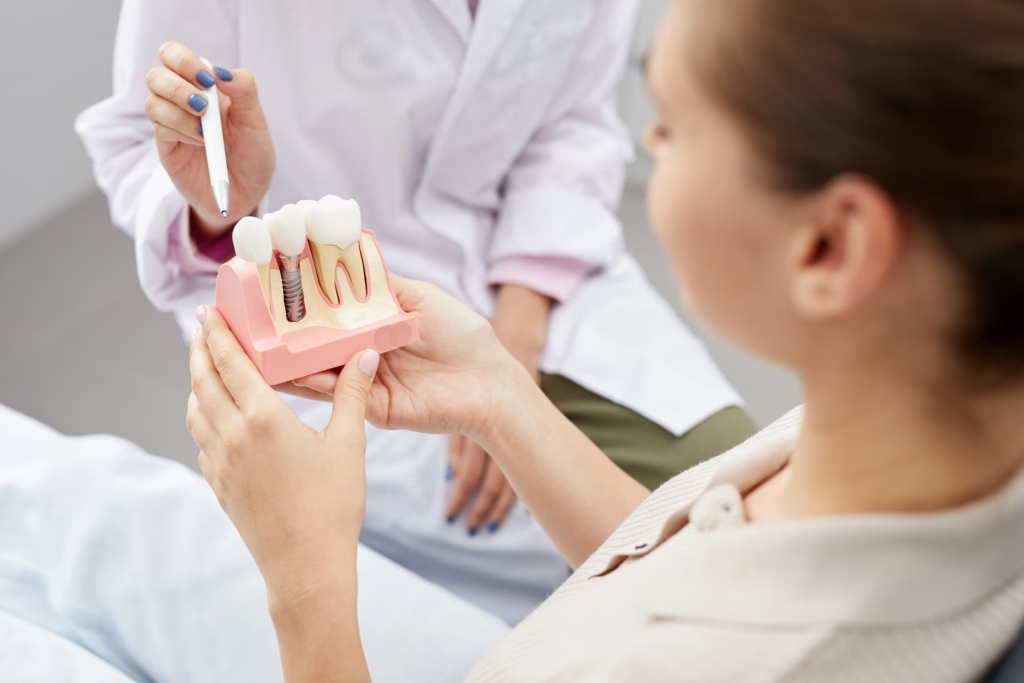
At the end of the day, choosing between zirconia and titanium should never come down to marketing claims or online trends.
At Ridge Oral Surgery, we begin with a comprehensive evaluation of your bone, gums, bite, esthetic goals, and overall oral health before discussing implant materials. CBCT imaging, careful treatment planning, and collaboration with your restorative dentist allow us to recommend zirconia implants or titanium only when they are appropriate for your specific situation.
We do not start with a material; we start with the patient. The right plan should protect your smile, your function, and your confidence.