A sore that won’t heal, a new lump on your tongue, or a red or white patch can make you wonder if something is wrong. Many oral changes are harmless, but persistent changes deserve an examination rather than repeated guesswork.
An oral biopsy helps identify what is causing an unusual area of tissue. It does not automatically mean cancer is suspected or confirmed. The purpose is to obtain a clear diagnosis, so the appropriate next step can be determined.
What Is an Oral Biopsy?
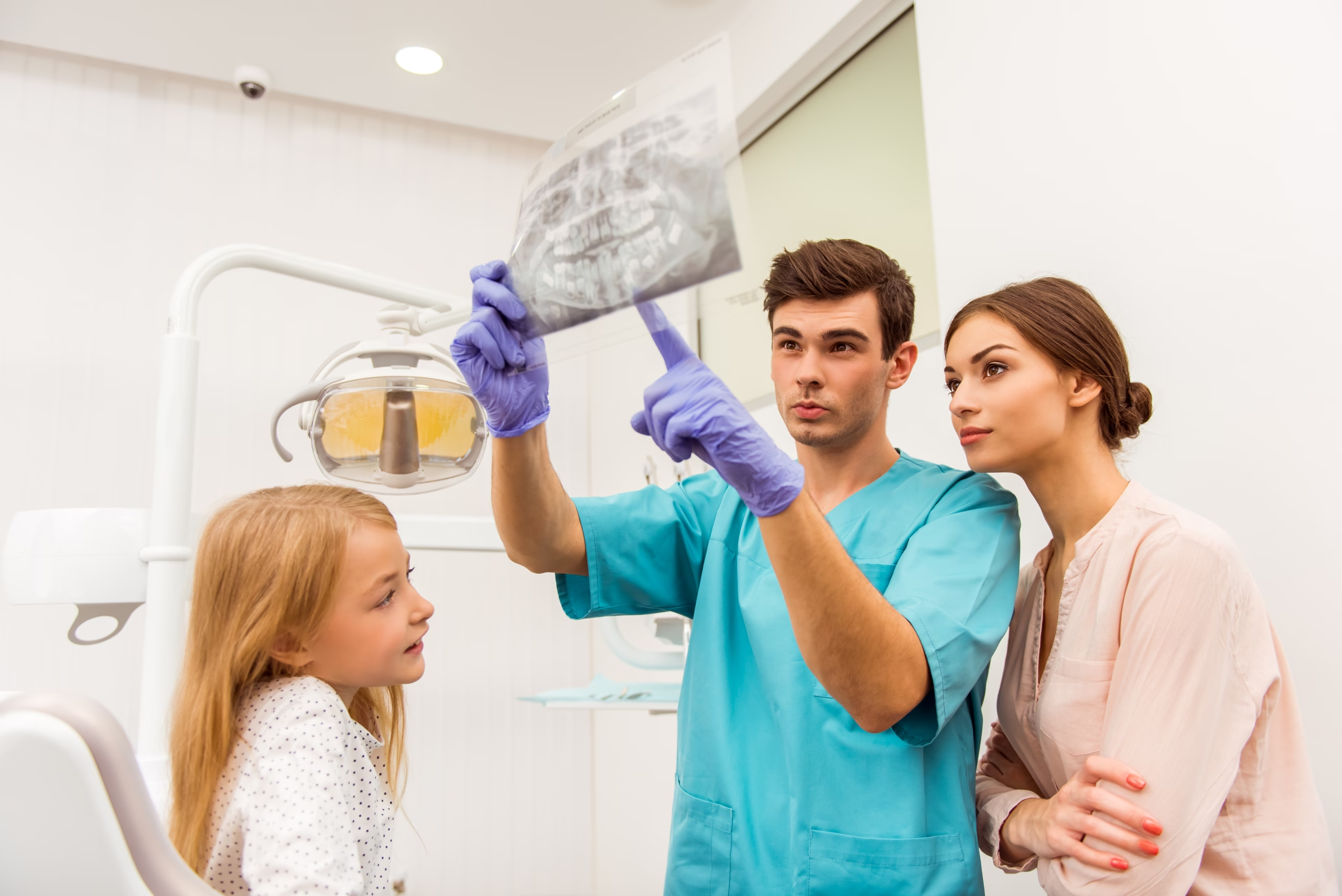
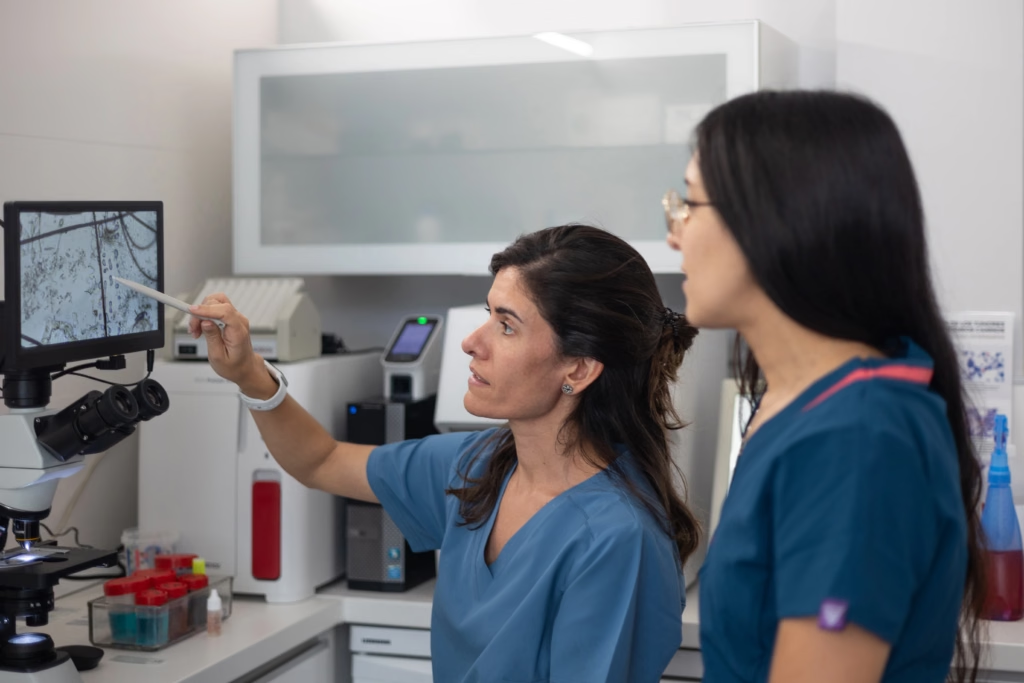
An oral biopsy involves removing a small tissue sample and sending it to a laboratory for microscopic examination. A pathologist studies the sample to identify the nature of the tissue change.
A biopsy may be recommended for a persistent ulcer, an unexplained lump, thickened tissue, or a red or white patch. The findings may indicate inflammation, a benign growth, precancerous changes, or cancer. Appearance alone cannot reliably distinguish these conditions. Research on diagnosing suspicious oral lesions explains why tissue examination remains central to diagnosis.
When Should You See an Oral Surgeon for a Mouth Lesion?
Book an examination if a change doesn’t resolve, especially if it lasts two weeks or longer. Watch for:
- A mouth sore that does not heal.
- Red or white patches inside the mouth.
- A lump, thickened area, or persistent rough spot.
- Unexplained bleeding, tenderness, or numbness.
- Difficulty chewing, speaking, or swallowing.
- A sore under a denture that doesn’t improve.
These symptoms do not establish a diagnosis, and not every lesion requires a biopsy. However, persistent or suspicious changes need professional assessment. A clinical review of oral ulceration discusses why lesions lasting more than two weeks may warrant further investigation.
When Is a Mouth Ulcer Biopsy Necessary?
Mouth ulcers can develop after you accidentally bite your cheek, irritate tissue with a sharp tooth, or wear a poorly fitted dental appliance. Many heal without treatment once you address the source of irritation.
A sore that persists, grows, has firm edges, bleeds easily, or keeps returning to the same spot needs closer evaluation. We may recommend a mouth ulcer biopsy if the cause remains unclear or the lesion does not respond to appropriate care. The decision depends on the examination and the sore’s history.
How Does Oral Cancer Screening Work?
During an oral cancer screening, we examine the lips, tongue, gums, inner cheeks, palate, and floor of the mouth. Depending on the findings, we may also examine the throat and neck lymph nodes.
Screening helps identify changes that need further investigation; it cannot confirm cancer on its own. If an area appears suspicious, we may recommend a biopsy to establish the diagnosis.
What Happens During an Oral Biopsy Appointment?
We begin by discussing when the lesion appeared, whether it has changed, and any symptoms you have noticed. We also review your medical history and medications before examining the area.
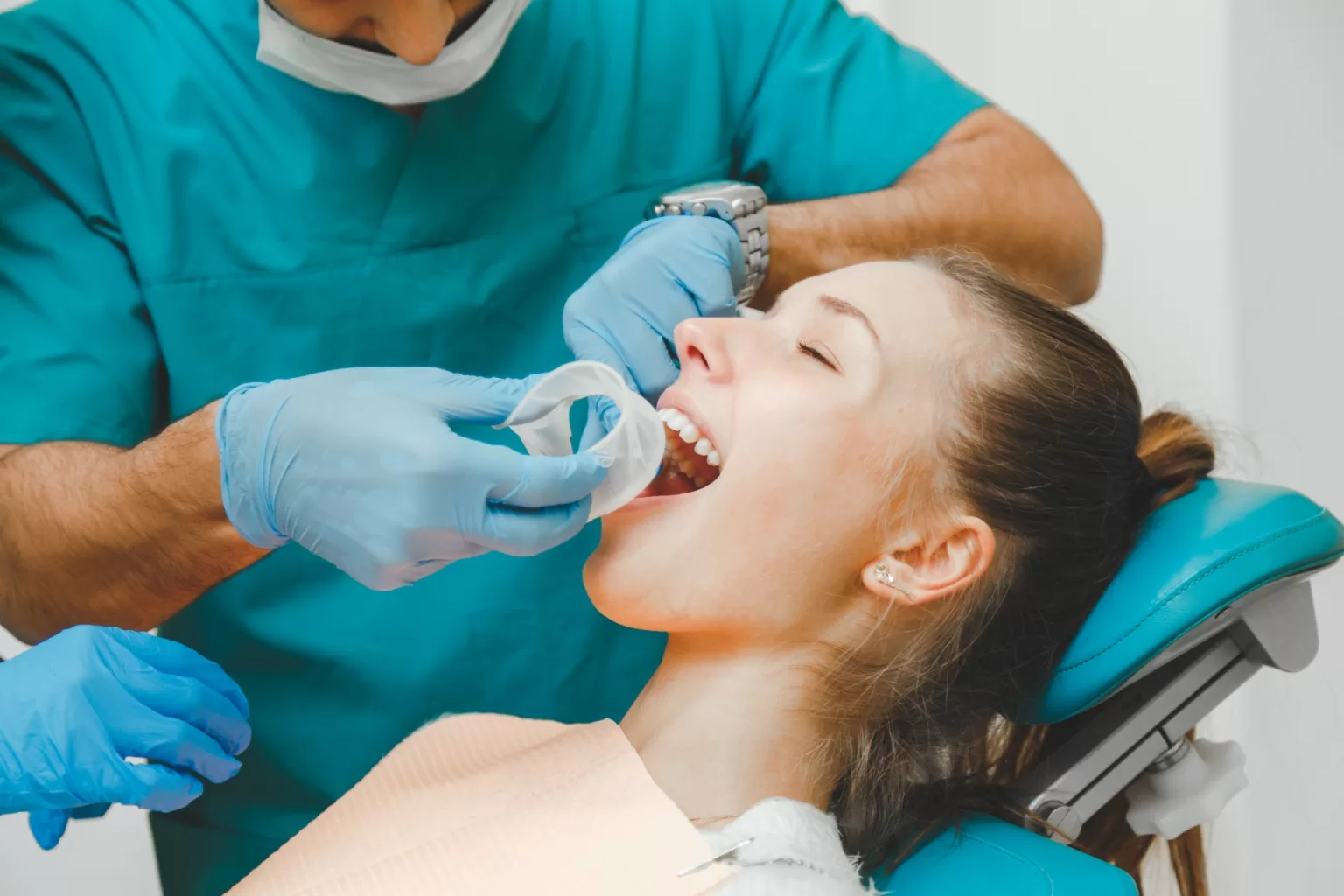
The biopsy method depends on the lesion’s size, location, and appearance. An incisional biopsy removes part of a larger lesion, while an excisional biopsy removes the entire lesion when appropriate.
Most straightforward biopsies can be performed using local anesthesia. Once the area is numb, the surgeon collects the sample and controls any bleeding. Sutures may be needed, depending on the biopsy’s location and size.
You may feel pressure during the procedure and some soreness afterward. We provide instructions for protecting the site while it heals.
What Should You Expect During Recovery?
Recovery depends on where we took the sample and how much tissue we removed. For the first few days, choose foods that do not irritate the site and follow the instructions provided for brushing, rinsing, and medication.
Avoid smoking or vaping while the area heals. Contact your surgical team if bleeding does not settle as instructed, swelling increases, you develop a fever, or pain becomes worse instead of improving.
What Happens After the Results Come Back?
The laboratory report guides the next step. Depending on the findings, you may need no further treatment, monitoring, removal of an irritant, additional surgery, or referral to another specialist.
Occasionally, a sample does not provide enough information, and another biopsy may be necessary. Your surgeon should explain the findings, what they mean, and whether you need further care.
Finding an Oral Biopsy Surgeon in New Jersey
If your dentist recommends a biopsy or you have a persistent mouth lesion, look for an oral surgeon who can explain the procedure, review your medical history, and guide you through the results.
At Ridge Oral Surgery, patients in Basking Ridge and surrounding New Jersey communities can seek an evaluation for oral pathology and biopsy.
A mouth sore or unusual patch does not automatically indicate a serious condition. If it persists or changes, however, arrange an examination rather than waiting indefinitely. A proper diagnosis gives you a clearer understanding of what is happening and what needs to happen next.
Review the practice’s available surgical services before arranging a consultation.