For most tooth extractions, no. The concern with GLP-1 medications is aspiration under deep sedation or general anesthesia — and the majority of extractions are done under local anesthetic, where that risk doesn’t apply. The guidance also changed in late 2024, and it moved away from routinely pausing these drugs.
What matters is which anesthesia you’re having and whether you have GI symptoms. Here’s how to work out which applies to you.
Why this became a question at all
Ozempic, Wegovy, Mounjaro, Zepbound, Trulicity and Saxenda all work partly by slowing how fast the stomach empties. That’s useful for blood sugar and appetite. It’s a problem when you’re sedated, because food or fluid sitting in the stomach can be regurgitated and inhaled into the lungs — aspiration.
Anesthesia protects against this with fasting rules. The worry with GLP-1 medications is that standard fasting times may not be enough, because the stomach may not have emptied on schedule.
The drugs also stay in your system a long time. Semaglutide — the active ingredient in Ozempic and Wegovy — has a half-life of roughly 160 hours, about a week. That’s why the original advice was to skip a weekly dose, and also why skipping one dose was never going to fully clear it.
What the guidance actually says now
This is where a lot of what’s online is out of date.
June 2023. The American Society of Anesthesiologists issued its first guidance: pause daily GLP-1 medications on the day of the procedure, and weekly ones for a week beforehand.
October 2024. A joint guidance from the ASA, the American Gastroenterological Association, the American Society for Metabolic and Bariatric Surgery, the International Society of Perioperative Care of Patients with Obesity, and SAGES substantially revised that position. The headline: most patients should continue taking their GLP-1 receptor agonists before elective surgery, with those at highest risk of significant GI side effects following a liquid diet for 24 hours beforehand or other measures depending on circumstances.
The reasoning behind the change was that pausing has its own costs. The guidance explicitly weighs the benefit of withholding against risks like rising blood sugar in patients with diabetes. The authors also describe the document as guidance rather than an evidence-based guideline, built around shared decision-making.
Internationally. A 2025 multidisciplinary consensus from UK bodies including the Association of Anaesthetists and the Royal College of Anaesthetists recommends continuing GLP-1 and GIP agonists through the perioperative period.
The evidence is still unsettled. One 2025 meta-analysis found no difference in aspiration rates between GLP-1 users and non-users despite higher residual stomach contents; another, restricted to endoscopy, found aspiration more common among GLP-1 users. Aspiration is rare enough that firm answers will take years.
So: the current direction of travel is toward continuing the medication and managing risk through diet and assessment, rather than stopping it.
The part that actually decides it: your anesthesia
For oral surgery this is the fork in the road, and it’s the question most general articles skip.
| Anesthesia | Aspiration concern | Typical approach |
|---|---|---|
| Local anesthetic only | Not applicable — you’re awake, airway reflexes intact | Take your medication as normal; eat normally |
| Nitrous oxide (laughing gas) + local | Minimal — you stay conscious and responsive | Usually no change needed |
| Oral sedation | Low to moderate, depends on depth | Discuss in advance; fasting instructions may be adjusted |
| IV sedation | Relevant | Follow your surgeon’s specific instructions; liquid diet may be advised |
| General anesthesia | Most relevant | Full pre-operative assessment; liquid diet or other measures if higher risk |
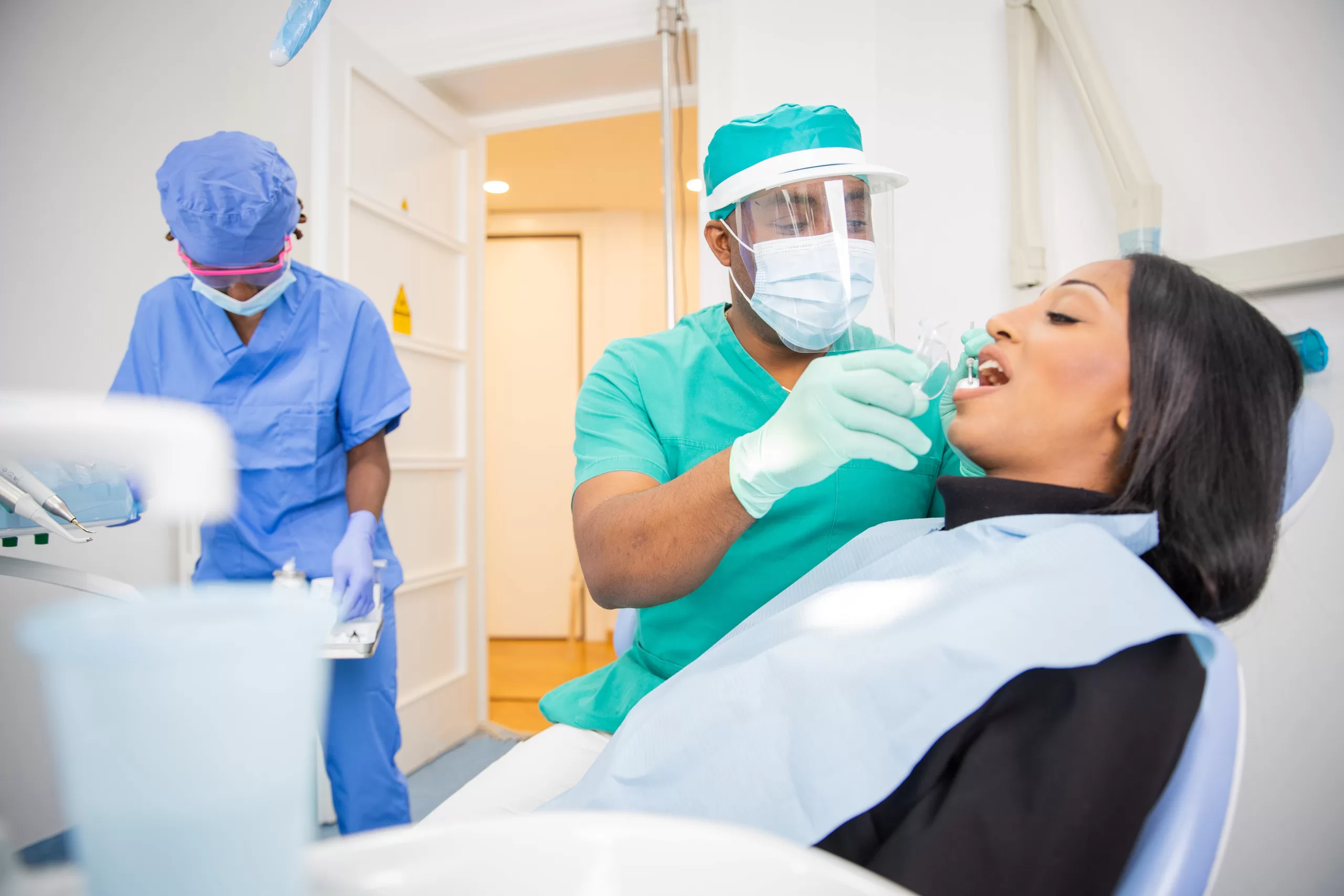
Most single extractions, and a good number of straightforward wisdom teeth cases, are done under local anesthetic alone. If that’s you, this entire debate doesn’t apply to your appointment.
If you’re having IV sedation or general anesthesia — common for impacted wisdom teeth, multiple extractions, or full-mouth implant work — then it does, and the conversation happens at your consultation rather than on the morning of surgery.
Do not stop it on your own
This is the single most important line on this page.
If you take a GLP-1 for type 2 diabetes, stopping without your prescriber’s input can send your blood sugar up, which is its own surgical risk — poor glycaemic control is associated with slower healing and higher infection rates after oral surgery. The 2024 guidance specifically flags that trade-off.
The decision belongs to your oral surgeon and your prescribing physician together. Tell us you’re on it; we’ll coordinate.
What raises your risk, and what to do about it
Current guidance is built around identifying who actually needs extra precautions. Factors that push you toward the higher-risk group:
- Currently in the dose-escalation phase rather than on a stable maintenance dose
- On a higher dose
- Active GI symptoms — nausea, vomiting, bloating, abdominal pain, constipation, or the sense that food is sitting in your stomach
- Other causes of delayed gastric emptying, including longstanding diabetes with neuropathy
- Recent dose increase in the weeks before surgery
If any of those apply and you’re having sedation or general anesthesia, the usual measure is a clear liquid diet for 24 hours before the procedure. Some centres also use point-of-care gastric ultrasound to check stomach contents before starting, which lets the team make the call on the day rather than guessing in advance.
Report GI symptoms honestly at your pre-op call. They’re the strongest signal available, and they change the plan.
What to tell your oral surgeon
Bring this to your consultation, not to the waiting room on surgery day:
- The drug name and brand (Ozempic, Wegovy, Mounjaro, Zepbound, Trulicity, Saxenda, Rybelsus)
- Your dose, and the date of your last injection
- Whether you’re still increasing the dose or on a steady one
- Whether you take it weekly or daily
- Whether you’re taking it for diabetes or weight management
- Any nausea, vomiting, reflux or bloating in the past month
- Your prescribing physician’s contact details
- Every other medication you take, including insulin or other diabetes drugs
Weekly-dose timing matters too. Scheduling surgery late in your dosing week rather than a day after an injection is a small adjustment that sometimes helps.
Beyond anesthesia: how GLP-1s affect healing
The aspiration question gets all the attention, but there are quieter issues worth planning around.
Dehydration. Reduced fluid intake and GI side effects can leave patients mildly dehydrated, which doesn’t help wound healing. Drink deliberately in the days around surgery.
Reduced nutrition. These medications suppress appetite, and a post-extraction soft diet suppresses it further. Protein intake matters for tissue repair. Practical approach: nutrient-dense liquids and soft foods rather than just whatever’s easiest — our guide to nutritious smoothies after wisdom teeth removal is a reasonable starting point.
Nausea and vomiting. A known side effect of the medication, and also a possible side effect of sedation and opioid painkillers. Stacked together they’re unpleasant and, in the first 24 hours, forceful vomiting can disturb the blood clot. Worth flagging so anti-nausea medication is part of the plan.
Dry mouth. Reduced saliva raises the risk of decay and slows soft tissue healing.
Blood sugar swings. If you’re diabetic and eating a restricted soft diet after surgery while still on your usual medication, your numbers can move. Coordinate with whoever manages your diabetes before the procedure, not after.
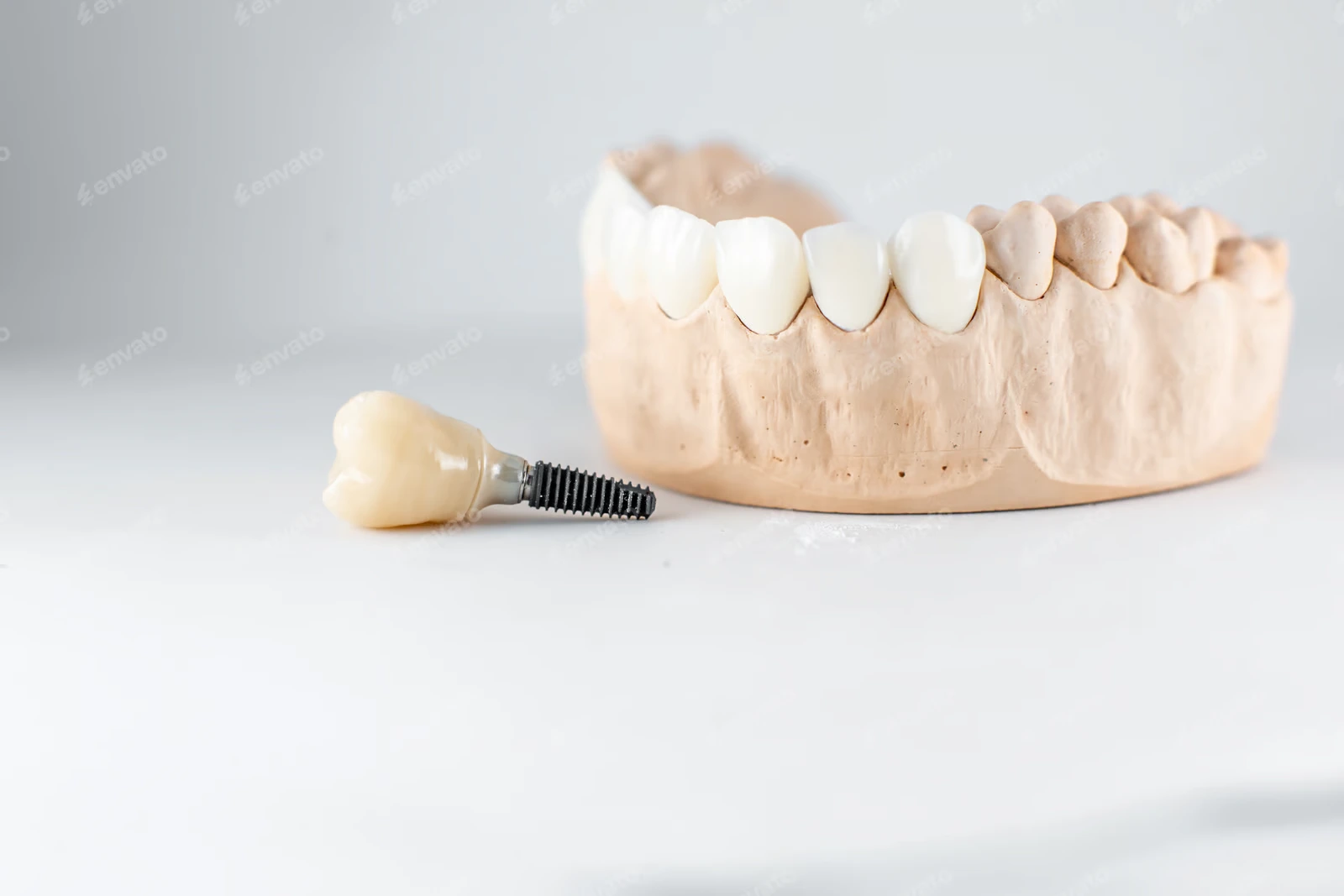
For implant patients this matters more, not less — bone integration is a months-long process and it’s sensitive to systemic health throughout.
What happens at a Ridge Oral consultation
Your full medication list is reviewed before anything is scheduled. If you’re on a GLP-1 and the plan involves sedation, we’ll work out whether you fall into the higher-risk group, coordinate with your prescriber where needed, and give you specific pre-operative instructions — which may be no different from anyone else’s.
What we won’t do is tell you to stop a diabetes medication over the phone, or apply a blanket rule that current guidance has moved away from.
Common questions
I take Ozempic weekly. Do I need to skip a dose before my extraction?
Under the 2023 guidance, often yes. Under the 2024 multisociety guidance, usually not — most patients continue, with extra precautions only for those at higher risk. For a local-anesthetic extraction it’s typically a non-issue either way. Your surgeon decides in context.
What about Mounjaro or Zepbound?
Tirzepatide is a dual GIP/GLP-1 agonist and the same considerations apply. Same conversation.
I stopped taking it three weeks ago. Am I in the clear?
Likely, but say so anyway — gastric emptying can take time to normalise after a long-acting drug, and it’s information your anesthesia provider wants.
Does it affect how well I heal afterward?
Not directly through the drug itself, but indirectly through hydration, nutrition and blood sugar. Those are manageable with planning. If your recovery isn’t tracking as expected, this guide to day-four extraction pain covers what’s normal and what isn’t.
Can I still get dental implants while on a GLP-1?
Generally yes. The relevant questions are glycaemic control, nutrition and bone quality rather than the medication itself.
Should I fast longer than usual before sedation?
Follow the instructions you’re given rather than improvising. Some protocols use a 24-hour clear liquid diet for higher-risk patients; extending your own fast without guidance can cause its own problems, particularly if you’re diabetic.