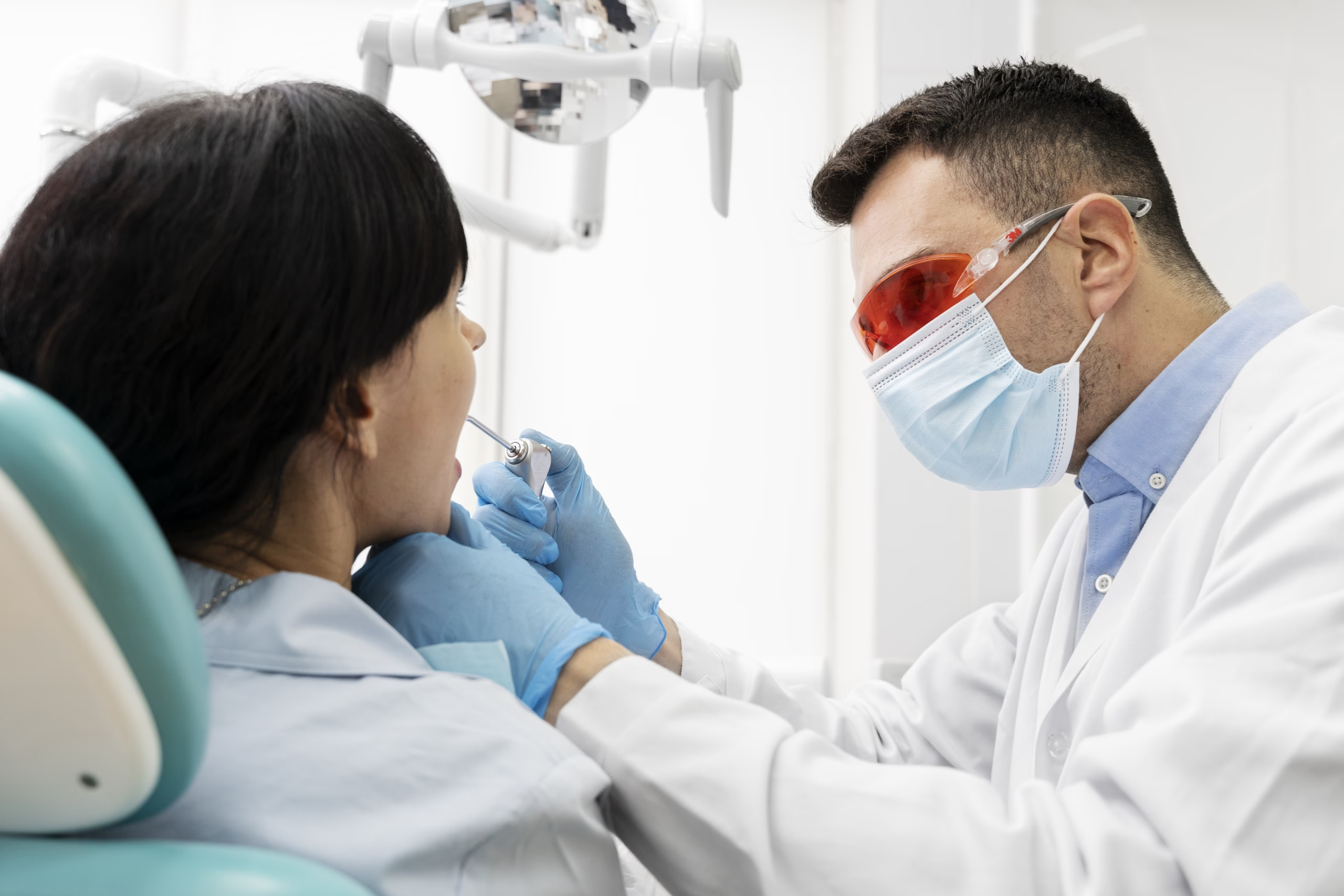
Having a tooth extraction isn’t something most people look forward to. Even if the procedure itself is routine, it’s natural to feel anxious about what might happen before, during, or after surgery. You may be wondering if it will hurt, whether you’ll be awake, how long recovery will take, or if you’re making the right decision.
Those concerns are more common than you might think. In many cases, fear comes from not knowing what to expect rather than the procedure itself.
You are not being difficult. You are being human.
At Ridge Oral Surgery, we believe the goal isn’t to pretend anxiety doesn’t exist. The goal is to replace uncertainty with understanding. Through clear communication, personalized care, and thoughtful planning, we help patients feel more confident before, during, and after treatment. Research also suggests that education, relaxation techniques, breathing exercises, guided imagery, and even music can help reduce dental anxiety.
Why Patients Feel Anxious Before Dental Surgery
Everyone’s fears are different. Some people worry about pain or needles, while others are anxious about sedation, strange sounds, or the recovery process. A previous bad dental experience can also make today’s appointment feel more stressful.
Anxiety surrounding dental surgery often affects more than your thoughts. It can cause a racing heart, tense muscles, trouble sleeping, nausea, or even lead you to postpone treatment.
Anxiety gets louder when the plan feels unclear. Once we understand what’s worrying you most, we can explain each step and recommend comfort options that fit your needs.
How We Help You Feel More Comfortable Before Surgery
The calmest surgery day usually starts with a clear consultation.
Before treatment, we review your imaging, discuss your medical history, explain why the extraction is recommended, and walk you through the procedure from start to finish. You’ll also know what recovery looks like and whether sedation is appropriate for you.
As oral and maxillofacial surgeons, we receive advanced training in surgery involving the mouth, face, and jaws. That specialized expertise allows us to carefully plan your care while prioritizing both safety and comfort.
Patients feel safer when they know what will happen, what they may feel, and who is watching over them.
What Will You Feel During the Procedure?
One of the biggest misconceptions about tooth extraction is that feeling pressure means something is wrong.
Before treatment begins, the area is numbed with local anesthesia to block pain. You may still notice pressure, movement, vibration, or hear dental instruments, but those sensations are expected and shouldn’t be painful.
Pressure is common. Sharp pain should be addressed immediately.
If you feel uncomfortable at any point, let your surgical team know. We can pause, check that you’re fully numb, and make adjustments before continuing. Knowing what’s normal helps your brain stop filling in the blanks.
Comfort Options Are Personalized
No two patients experience anxiety the same way, so comfort isn’t one-size-fits-all. Depending on your health, the procedure, and your level of anxiety, your anesthesia for oral surgery may include local anesthesia, nitrous oxide, oral sedation, or IV sedation.
Comfort is not an extra feature. It is part of responsible surgical planning.
The safest sedation plan is the one matched to your health, your procedure, and your anxiety level. We, at Ridge Oral Surgery, also review your medications, medical history, and recovery needs beforehand so every decision supports a safe experience.
Behind every appointment is a team following established safety protocols, monitoring your well-being, and preparing for every stage of care. Patients may not see every safety step, but those steps shape the entire appointment.
Simple Ways to Feel More Prepared
Managing anxiety starts before you sit in the dental chair.
Ask questions during your consultation instead of relying on online horror stories. Practice slow breathing by inhaling gently and making each exhale a little longer than your inhale for a few minutes. Prepare soft foods at home, arrange transportation if you’ll receive sedation, and create a comfortable place to recover afterward.
The fewer decisions you make on surgery day, the calmer the day usually feels.
Just as important, tell us what you need. Whether you’d like extra explanations, fewer details, breaks during treatment, or a hand signal to pause, speaking up helps us provide care that’s tailored to you.
Your care team cannot support what they do not know.

When Should You Search for an Oral Surgeon Near Me?
Some extractions require specialized surgical care. You may benefit from searching for an ‘oral surgeon near me’ if your tooth is impacted, broken below the gumline, infected, or if multiple teeth need to be removed. Patients with significant anxiety, those considering sedation, or anyone preparing for dental implants may also benefit from seeing an oral surgeon.
The right specialist should make treatment feel clearer, not more intimidating. Local care also makes follow-up appointments and recovery support more convenient.
Recovery and What to Expect
Recovery feels less stressful when you know what’s normal.
Some mild bleeding, swelling, and soreness are expected after surgery. Rest, eat soft foods, avoid using straws, take medications as directed, and carefully follow your post-operative instructions. We’ll explain which symptoms are part of normal healing and when it’s time to contact our office.
A good recovery plan tells you what is normal, what is not, and who to call if you have concerns.
FAQs
How do I stay calm before a tooth extraction?
Ask questions during your consultation, practice slow breathing, prepare your recovery space, and let your care team know what’s making you nervous.
Can sedation help with oral anxiety?
Yes. Depending on your health and procedure, sedation may help patients with oral anxiety feel more relaxed during treatment.
What anesthesia is used for oral surgery?
Your anesthesia for oral surgery may include local anesthesia, nitrous oxide, oral sedation, or IV sedation based on your needs.
Should I search for an oral surgeon near me if I’m very nervous?
Yes. An oral surgeon near me can provide specialized surgical expertise, sedation options, and personalized care for anxious patients.
Will I feel pain during the procedure?
The treatment area should be numb before surgery begins. You may feel pressure or movement, but sharp pain should be addressed immediately.

Calm Comes From Clarity, Comfort, and Trust
At Ridge Oral Surgery, we don’t expect patients to arrive fearless. We expect them to have questions, concerns, and sometimes even significant anxiety. Our job is to make every tooth extraction feel more manageable through clear explanations, personalized comfort planning, advanced surgical care, and thoughtful follow-up.
If you’re feeling nervous about an upcoming procedure, tell us what’s on your mind. Together, we can create a plan that helps you feel informed, supported, and confident every step of the way.
A calmer experience begins before surgery day, with the right team, plan, and support.