Teen dental care can feel routine until an orthodontist points to an X-ray and says, “I’d like you to see an oral surgeon.”
That’s often when the questions start. The good news is that most referrals aren’t about emergencies. They’re about catching potential issues early, while there are still more options and better timing for treatment.
In this guide, we explore dental conditions that affect teens and how oral surgery addresses them.
The goal is to guide growth, protect the bite, and make treatment easier while timing is still on your side.
Why Teens Are Often Referred for Oral Surgery
Most parents expect a referral when something hurts. That’s usually not the case.
Many teens are referred because an orthodontist notices something before it becomes a problem. Wisdom teeth, impacted canines, blocked teeth, jaw growth concerns, and findings on routine imaging are all common reasons.
Teen referrals are often about prevention, not emergency treatment. The earlier we understand the anatomy, the more options we usually have.
Wisdom Teeth in Teens: When Should Parents Start Asking Questions?
Most teens don’t complain about wisdom teeth. In fact, many have no symptoms at all.
The conversation often starts with an X-ray showing that the teeth may not have enough room to erupt properly. Others may experience swelling behind the molars, food trapping, jaw soreness, or pressure in the back of the mouth.
Waiting until pain appears is not always the best strategy.
The decision depends on position, growth, symptoms, and future risk. That’s why wisdom teeth removal is often discussed before problems develop.
What Parents Should Know About Wisdom Teeth Removal Recovery
For most parents, the first question isn’t about the surgery. It’s about the week after.
Will they miss school? What about sports?
Recovery is smoother when the calendar is planned before the day of surgery. The first few days are about protecting the clot and managing swelling. Rest, soft foods, hydration, and good aftercare usually make a big difference.
Many teens return to light routines within several days, but every recovery is different.
Impacted Canines: Why These Teeth Matter So Much
Most people don’t think much about canine teeth until one doesn’t come in. Then suddenly that missing tooth becomes the center of every orthodontic conversation.
Canines are small teeth with a big job. They help guide the bite, support the appearance of the smile, and contribute to alignment. When an impacted canine tooth remains trapped beneath the gums, orthodontic treatment may need surgical help to move forward.
How Do We Diagnose an Impacted Canine Tooth?
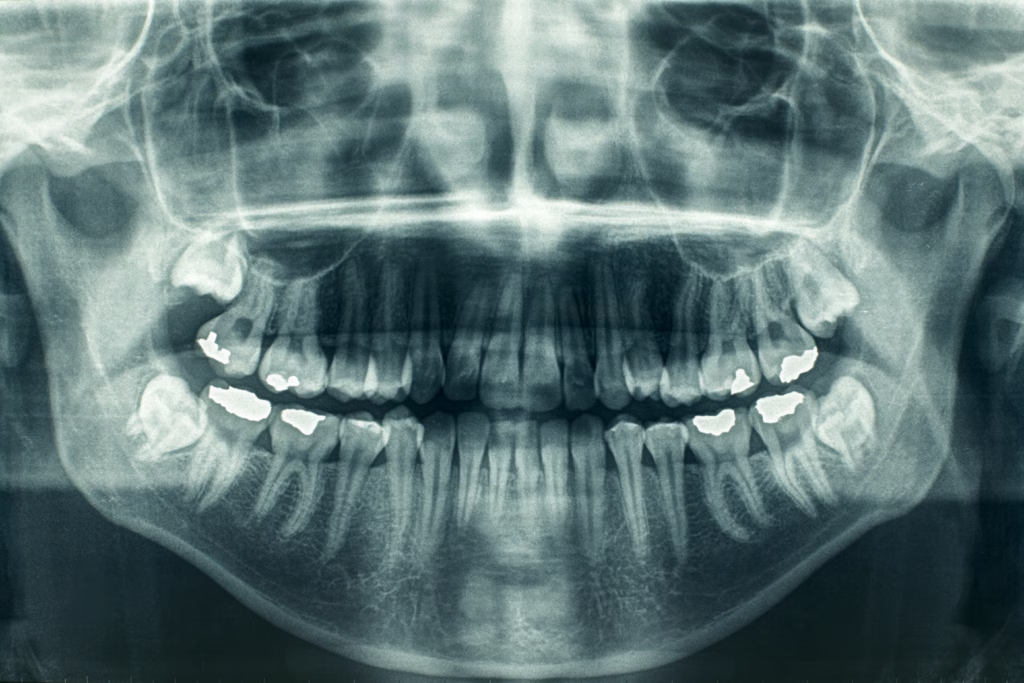
The first step is figuring out exactly where the tooth is.
Some impacted canines are close to the surface. Others are positioned much deeper than expected.
We, at Ridge Oral Surgery, use examinations, dental history, panoramic imaging, and sometimes CBCT scans to understand the situation.
The scan tells us whether the tooth needs space, guidance, exposure, or removal. Good planning protects both the impacted tooth and the neighboring teeth.
What Is Impacted Tooth Exposure and How Does It Work?
Parents often hear “exposure and bonding” and assume it’s complicated. The idea is actually pretty straightforward.
We gently uncover the tooth and attach a small orthodontic bracket or chain. Over time, the orthodontist uses controlled movement to guide the tooth into position.
The surgeon creates access; the orthodontist guides movement. This is a staged process designed to protect the tooth while restoring its function.
When Is Exposure Better Than Removing the Tooth?
Whenever possible, the goal is usually to save the canine.
If the tooth position is favorable and orthodontic movement is feasible, exposure of an impacted tooth may be the preferred option.
The right choice depends on prognosis, not preference alone. Saving the tooth is ideal when the path is safe and realistic.
Orthodontic Referrals: How Surgeons and Orthodontists Work Together
One thing that surprises families is how much teamwork happens behind the scenes.
The orthodontist identifies the issue. The surgeon evaluates anatomy and surgical access. Together, they coordinate timing and treatment goals.
The best outcomes occur when the surgical and orthodontic plans are developed together.
Coordination keeps treatment efficient and reduces surprises.
What Parents and Teens Can Expect at the Consultation
Most consultations are more relaxed than families expect.
We review the referral, discuss symptoms, evaluate imaging, explain options, and answer questions about recovery, sedation, school schedules, and sports.
A good consultation should leave the family calmer, not more confused. We also want teens to understand the plan, not just parents.
Sedation, Comfort, and Teen Anxiety
Not every teenager feels the same about treatment. Some are completely comfortable, while others are understandably nervous.
Comfort planning is part of responsible care. Depending on the procedure and the patient, options may include local anesthesia, nitrous oxide, oral sedation, or IV sedation.
The safest option is the one matched to the teen, not chosen from a menu.
Recovery Planning Around School, Sports, and Braces

Teenagers have busy schedules. School, sports, exams, vacations, and orthodontic appointments all matter.
That’s why we encourage families to plan ahead whenever possible. Following instructions, attending follow-up visits, and coordinating with the orthodontist can help keep recovery on track.
The smoother the recovery plan, the easier it is for teens to stay on track.
FAQs
At what age should teens be evaluated for wisdom teeth?
Many teens are evaluated during the mid-to-late teen years, depending on growth and imaging findings.
Does every teen need wisdom teeth removed?
No. Wisdom teeth removal depends on position, symptoms, available space, and future risk.
What happens if an impacted canine is not treated?
It may remain trapped, affect alignment, or create complications for future orthodontic care.
Is impacted tooth exposure painful?
The area is numbed, and soreness afterward is usually manageable with routine post-operative care.
Why did my orthodontist refer my teen for oral surgery?
Referrals often occur when a tooth requires evaluation, guidance, or surgical access before treatment can proceed effectively.
Early Planning Helps Protect the Smile Teens Are Growing Into
At Ridge Oral Surgery, we focus on making the process feel clear from the start. Families should never feel rushed into a decision they do not understand.
Through advanced imaging, close coordination with orthodontists, and comfort-focused care, our role is to make the plan clear, safe, and realistic.
Most teen referrals aren’t about fixing a problem. They’re about preventing one.
Whether the conversation involves wisdom teeth, impacted canines, or orthodontic treatment planning, early evaluation often creates more options and fewer surprises later.
If your teen has been referred for an evaluation, bring the records, ask questions, and take the time to understand the plan. A little planning today can make a big difference tomorrow.
Schedule a teen consultation at the Ridge Oral Surgery clinic today.