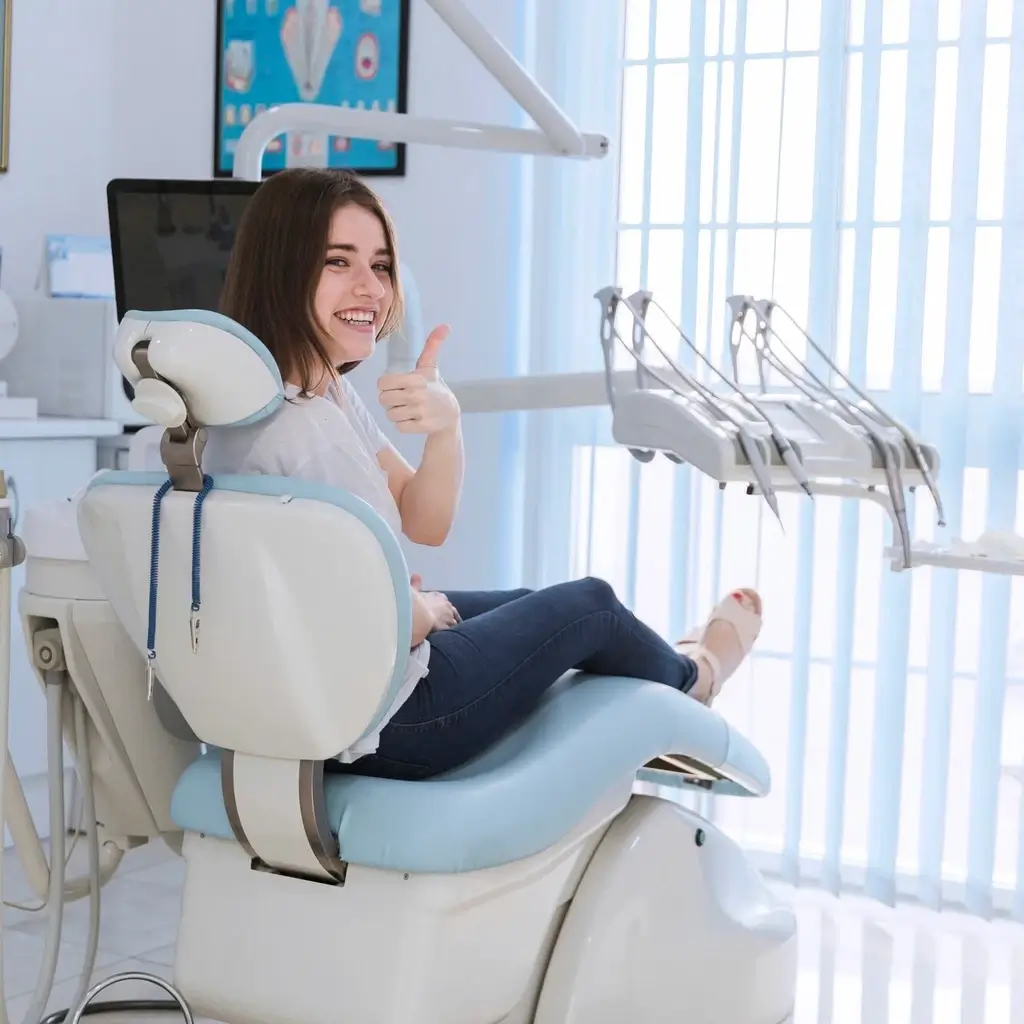
If you’re nervous about an upcoming extraction, you’re in good company. We meet plenty of patients who feel completely fine scheduling the appointment and then spend the next few days imagining everything that could go wrong. Sometimes it’s the thought of pain. Sometimes it’s the sound of dental instruments. For others, it’s a bad experience from years ago that still sticks with them.
When people search for how to feel calm before a tooth extraction near them, they’re usually looking for reassurance as much as information.
You are not being difficult. You are being human. The goal is not to eliminate every nerve. The goal is to make the appointment feel manageable.
Simple tools like breathing exercises, calming music, guided imagery, and meditation are often used to reduce stress before medical procedures.In this guide, we explore the various ways in which you can feel calm before a tooth extraction procedure.
Reasons Behind Tooth Extraction Anxiety
Fear tends to grow in the gaps where information is missing. We’ve found that patients are rarely afraid of the extraction itself. They’re more often worried about what they don’t know. Will it hurt? Will they feel trapped in the chair? What if the numbness feels strange? What if recovery is harder than expected?
Anxiety gets louder when the plan feels unclear. That’s why anxiety management for dental visits often starts with a conversation. Once we know what you are worried about, we can build the right support around it.
Step 1: Ask The Questions That Calm The Unknown
One patient recently told us that her anxiety dropped by half after a ten-minute consultation. Nothing about the procedure changed. She simply knew what to expect.
If you’re wondering how to feel calm before a tooth extraction near me, start by asking questions. Will the area be completely numb? How long will the appointment take? What should recovery look like? What happens if you have concerns afterward?A calm patient is usually an informed patient. You should never feel embarrassed for asking basic questions.
Step 2: Use Pre-Surgery Relaxation Techniques That Actually Fit Real Life
Forget complicated routines. Most people don’t need an hour-long meditation session.
A few minutes of slow breathing, a familiar playlist, a short walk, or guided meditation can be surprisingly effective. One simple technique is to inhale slowly through your nose, then exhale slightly longer than you inhaled. Repeat that pattern for a few minutes.
Do not wait until you are in the chair to start calming your nervous system. Small, repeatable techniques work better than complicated routines. Many patients find that these pre-surgery relaxation techniques provide meaningful dental anxiety relief before they even arrive.
Step 3: Plan Your Appointment Day So Nothing Feels Rushed
The calmer morning starts the day before.
We encourage patients to think ahead. Confirm your appointment time. Arrange transportation if sedation might be involved. Have soft foods ready at home. Put your ice packs somewhere easy to reach.
These patient comfort strategies may sound simple, but they remove dozens of little decisions from an already stressful day. Fewer decisions on surgery day mean more emotional bandwidth.
Step 4: Understand Numbing, Sedation, And Comfort Options

A common misunderstanding is that anesthesia and sedation are the same thing.
Local anesthesia prevents pain in the treatment area. Sedation is different. It helps patients feel more relaxed during the experience. Depending on the situation, options may include nitrous oxide, oral sedation, or IV sedation.
Comfort planning is part of good surgical planning. The safest option is the one matched to your health, your procedure, and your anxiety level. Good oral surgery support includes discussing those options honestly before treatment day arrives.
Step 5: Tell Your Surgical Team What You Need
Some patients try to hide their anxiety because they think it sounds childish. It doesn’t.
If you’re nervous, say it. If you want a pause during treatment, mention it. If you’d rather not hear every detail of the procedure, let your team know.
Your care team cannot support what they do not know. There is no prize for pretending you are calmer than you are. Patients searching for how to feel calm before a tooth extraction near me often benefit most from choosing a team that listens carefully and communicates clearly.
Step 6: Know What The Procedure Will Feel Like
One reason anxiety can spike during treatment is that patients mistake normal sensations for a problem.
Most extractions involve pressure, movement, vibration, and numbness. Those sensations can feel unusual, but they are expected. Pressure is common. Sharp pain should not be ignored.
Knowing what to expect helps your brain stop filling in the blanks. Patients can always signal if they need a break or have concerns during treatment.
Step 7: Create A Recovery Plan Before You Arrive
We’ve noticed that patients who prepare for recovery often arrive feeling more confident.
Have soft foods available. Know when you’ll take medications. Keep gauze and ice packs nearby. Plan for rest. Avoid smoking, straws, and aggressive rinsing after surgery.
Recovery feels less overwhelming when the first 24 hours are already planned. Preparation turns the unknown into a checklist. These patient comfort strategies are an important part of ongoing oral surgery support.
Tooth Extractions Near You
Local care matters more than many people realize.
A nearby team can make the process feel less isolated. Follow-up questions become easier. Post-operative concerns feel less overwhelming. Most importantly, you know where to turn if you need help.
The correct procedure should leave you more enlightened rather than overwhelmed. That is precisely why, at Ridge Oral Surgery, our priorities include clear communication, comfortable consultations, and support for nervous patients.
FAQs
How do I calm down before a tooth extraction?
If you’re seeking ways to remain calm before undergoing a tooth extraction near me, the first thing you should do is breathe slowly, gather all your post-procedural supplies, and have a comfort conversation with your oral surgeon.
Is it normal to be scared before tooth extraction?
Of course. A lot of patients experience anxiety when it comes to oral surgery procedures, particularly their first tooth removal experience.
Can I take anxiety medication before treatment?
Only use drugs that are recommended by your surgeon.
What should I tell my oral surgeon if I am anxious?
Let them know about everything that is bothering you. If it is anything from the needle to the anesthesia process, noises, etc., let them know about it.
What are the best relaxation techniques before dental surgery?
Deep breathing exercises, listening to calming music, imagining a peaceful place, and many others are common practices used to relieve anxiety for dental visits.
Calm Comes From Clarity, Comfort, And Support

You deserve to be taken care of before the procedure even begins. It is our opinion that an excellent appointment starts off with an explanation and conversation.
A better experience starts when you are listened to.
Anxiety prior to the procedure is completely natural. It is important to have some knowledge about the whole process, prepare yourself well for the event, and to work with a team that cares about your needs.
If your previous experiences with dentists were quite unpleasant, it would be better to schedule a consultation with a dentist and tell the team what bothers you during these visits.