“I know I want dental implants, but who should actually place them?” This is a common question, and the answer depends on more than how many teeth you’re missing.
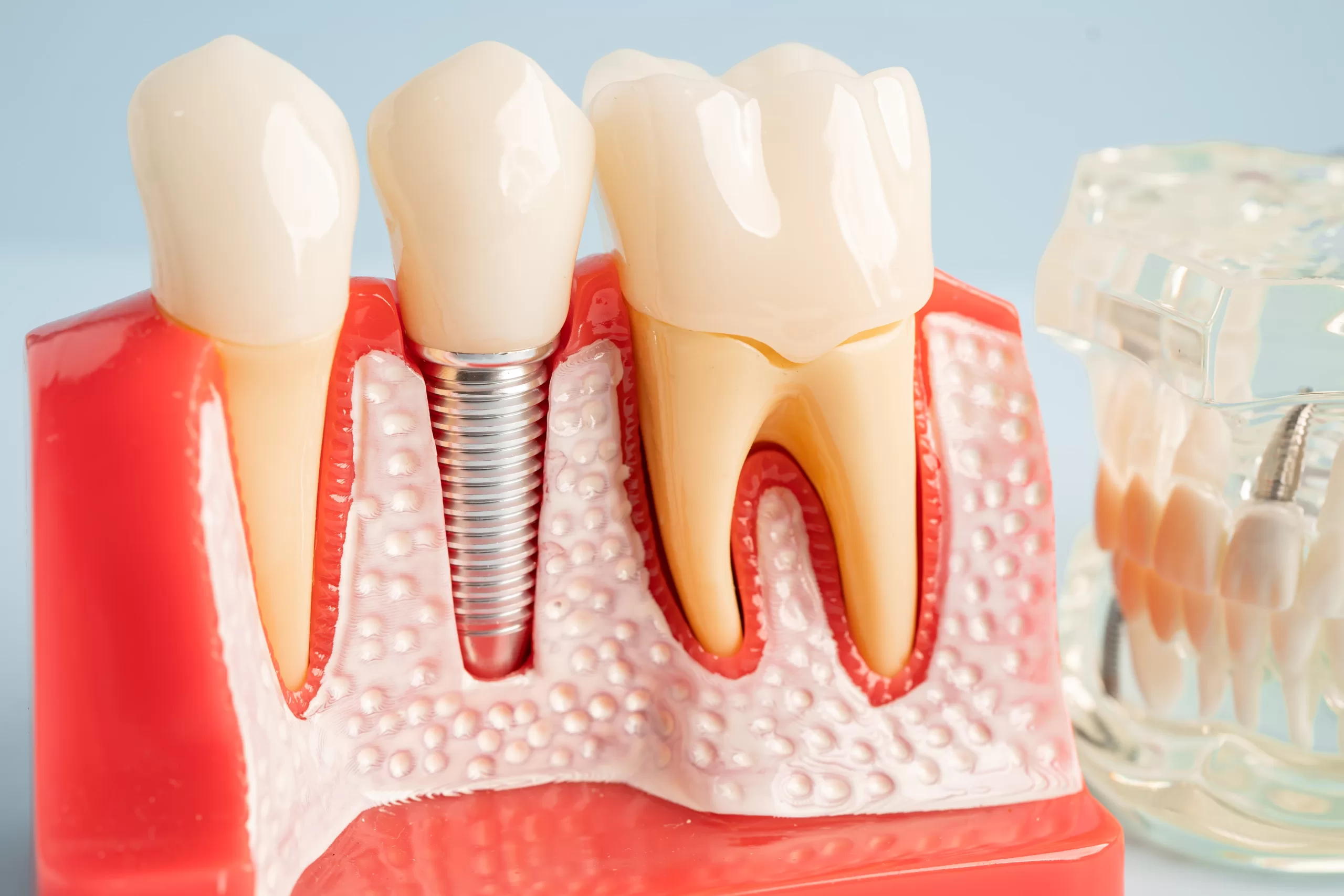
Dental implants require surgical planning and a restoration that fits your bite, gums, and smile. Oral surgeons, periodontists, prosthodontists, and appropriately trained general dentists can all play a role in implant treatment. Understanding the roles of oral surgeons vs. periodontists helps you choose the right provider for your needs.
Oral Surgeon vs. Periodontist: What Is the Main Difference?
Both specialists can place implants, but their training focuses on different areas.
Oral surgeons specialize in surgery involving the mouth, jaw, and surrounding facial structures. Their training includes extractions, bone grafting, surgical reconstruction, and anesthesia.
Periodontists specialize in gum disease and the bone and soft tissues supporting teeth and implants. They also place implants and perform procedures to rebuild deficient gum or bone tissue.
Choosing between a periodontist and an oral surgeon isn’t a competition. The right choice depends on your anatomy, gum health, surgical needs, and the provider’s experience.
Where a Prosthodontist Fits Into Implant Treatment
Prosthodontists specialize in replacing missing or damaged teeth. They plan and design implant-supported crowns, bridges, and dentures, considering tooth shape, bite alignment, and appearance.
Some prosthodontists also place implants, while others coordinate with a surgeon who handles the surgical phase. The final restoration should guide implant positioning from the beginning.
Oral Surgeon vs. General Dentist: When Training and Complexity Matter
Some general dentists have appropriate training and experience to place implants in straightforward cases. However, bone loss, nearby nerves or sinuses, bone grafting, multiple implants, and complex medical histories may require specialist care.
When comparing an oral surgeon vs. a general dentist, consider the difficulty of your case, not just the provider’s title. A referral to a specialist is a responsible decision when you need additional surgical expertise.
What Makes Someone a Dental Implant Specialist?
The phrase dental implant specialist does not, by itself, establish a recognized dental specialty. Ask about the provider’s formal training, implant experience, bone grafting experience, imaging methods, sedation qualifications, and approach to complications.
The American College of Prosthodontists recommends evaluating a dentist’s credentials and experience for the specific procedure.
Who Should Place Dental Implants in Simple Cases?
A single missing tooth, healthy gums, adequate bone, and no significant anatomical concerns may make implant placement more straightforward. A properly trained general dentist, periodontist, oral surgeon, or prosthodontist may be appropriate, depending on experience and treatment planning.
A case is only considered straightforward after an examination and appropriate imaging.
When an Oral Surgeon May Be the Best Fit
Oral surgeons may be particularly well suited to cases involving tooth extraction, bone grafting, sinus proximity, impacted teeth, multiple implants, sedation, or failed previous implant treatment. Their surgical training includes managing bone, soft tissue, and complex anatomy.
For these cases, surgical planning must protect nearby structures while creating a stable foundation for the final restoration.
When a Periodontist May Be the Best Fit
A periodontist may be especially helpful when gum disease, gum recession, insufficient bone, or soft-tissue grafting affects implant planning. Patients with a history of periodontal disease also need a plan for maintaining the tissues around their implants.
The American Academy of Periodontology explains the specialist’s role in gum health and implant treatment.
When a Prosthodontist Should Lead the Plan
A prosthodontist may be particularly valuable for full-mouth reconstruction, complex bite problems, cosmetic restorations in the front of the mouth, or implant-supported bridges and dentures.
In these cases, the final tooth design helps determine implant placement. The prosthodontist can coordinate with the surgeon to align restorative goals with surgical planning.
The Best Implant Outcomes Often Come From Collaboration
Complex implant treatment may involve a general dentist, oral surgeon, periodontist, and prosthodontist. Each contributes expertise in diagnosis, surgical placement, restoration, and long-term maintenance.
This coordinated approach helps the team plan implant position, bite function, appearance, and follow-up care together.
Questions to Ask Before Choosing an Implant Provider
Before treatment, ask:
- How much experience do you have with cases like mine?
- Will I need bone grafting?
- What imaging will you use?
- Who will place the implant and design the final crown?
- What sedation options are available?
- How will complications be managed?
- What maintenance will I need?
Clear answers will help you understand the treatment plan and why.
When to Search for an ‘Oral Surgeon Near Me’
Search for an oral surgeon near me when implant treatment involves extraction, grafting, complex anatomy, sedation, multiple implants, or previous implant failure. Local care can also make consultations and follow-up visits easier.
At Ridge Oral Surgery, an implant consultation can help clarify the surgical requirements and whether coordinated care with your restorative dentist is appropriate.
FAQs
What is the difference between an oral surgeon and a periodontist for implants?
Both may place implants. Oral surgeons focus on surgical procedures involving the mouth and jaw, while periodontists specialize in gum health and the bone and tissues that support them.
How do I compare an oral surgeon vs. a general dentist for implants?
Consider training, experience, anatomy, and the surgery’s complexity. A general dentist may handle a straightforward case, while complex surgery may require a specialist.
Who should place dental implants in complex cases?
An oral surgeon, periodontist, or coordinated specialist team may be appropriate, depending on the patient’s needs.
Is a prosthodontist the same as an implant surgeon?
No. Prosthodontists specialize in restoring missing teeth, although some also place implants.
When should I search for an oral surgeon near me?
Consider a consultation when treatment involves grafting, difficult extractions, sedation, complex implant placement, or previous implant complications.

How We Help Patients Choose the Right Implant Path
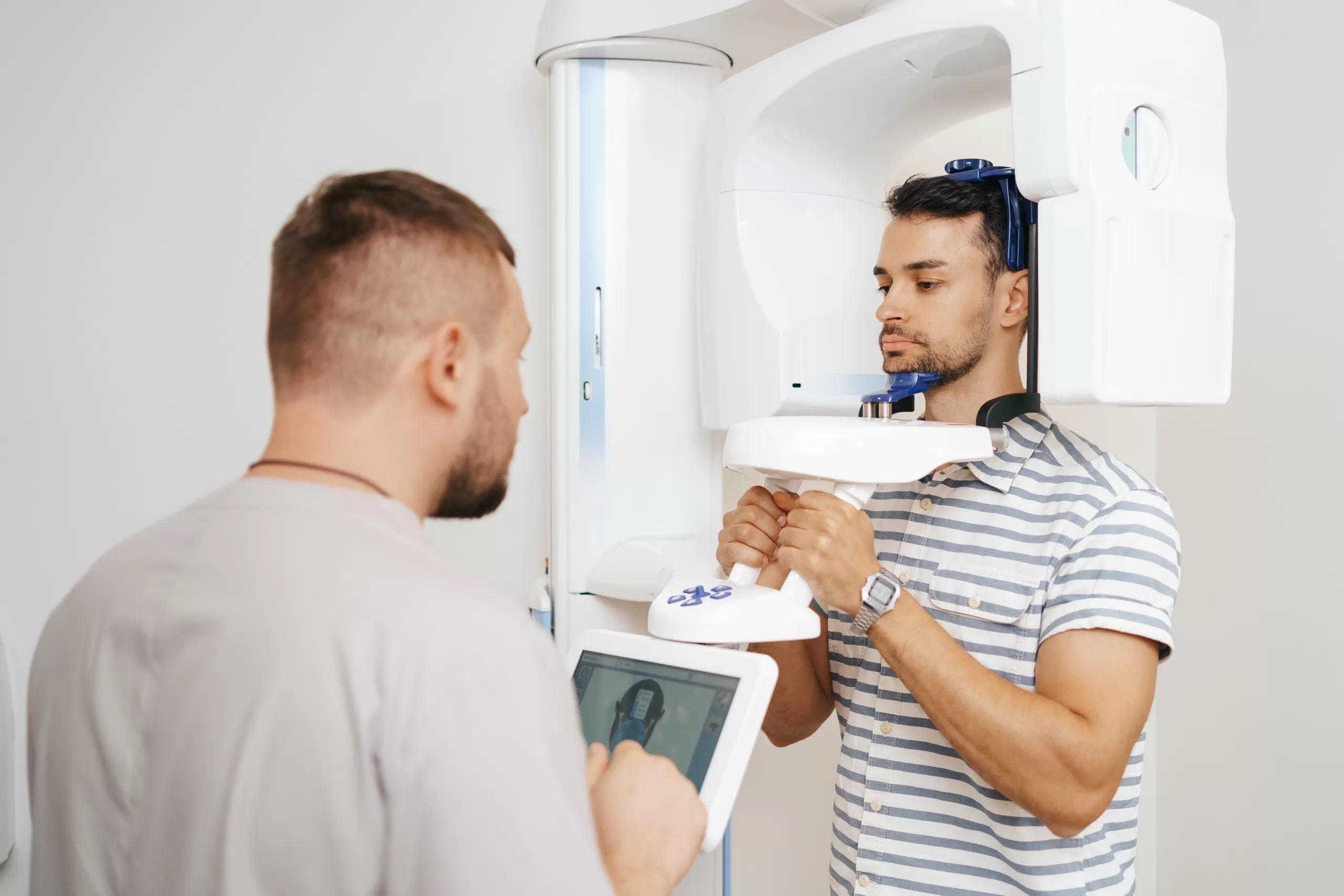
At Ridge Oral Surgery, we evaluate the surgical site, bone and soft-tissue condition, and relevant medical history. When appropriate, imaging helps us assess implant placement and determine whether grafting or other procedures are needed. We can also coordinate with the dentist responsible for the final restoration.
Comparing oral surgeons and periodontists helps patients understand which expertise their case requires, rather than assuming one provider is always the best choice.
The Best Implant Provider Is the One Matched to Your Case
Oral surgeons bring surgical expertise, periodontists focus on gum and bone health, prosthodontists plan complex restorations, and trained general dentists may manage selected cases. Some patients benefit from a coordinated team.
Bring any existing dental X-rays to your consultation and ask who will place the implant, who will restore it, and how the treatment will be maintained. The right question is not just who can place the implant. It is who can plan the result your smile needs.