Your braces are in place, your smile is beginning to take form, and all seems to be well. Then your orthodontist indicates that one tooth has not budged whatsoever. It might be perplexing or even disappointing, but this usually indicates a frequent condition called an impacted tooth. Perhaps the most commonly affected is the impacted canine, which remains secreted away under the gums rather than erupting naturally.
If you or your child is experiencing an impacted tooth that will not erupt on its own, surgical exposure can be beneficial. In this blog, we’ll discuss what an impacted tooth is, why it occurs, how tooth exposure surgery is performed, and what recovery is like. The procedure is predictable, safe, and highly effective in the long term.
What Is an Impacted Tooth and Why Does It Happen?
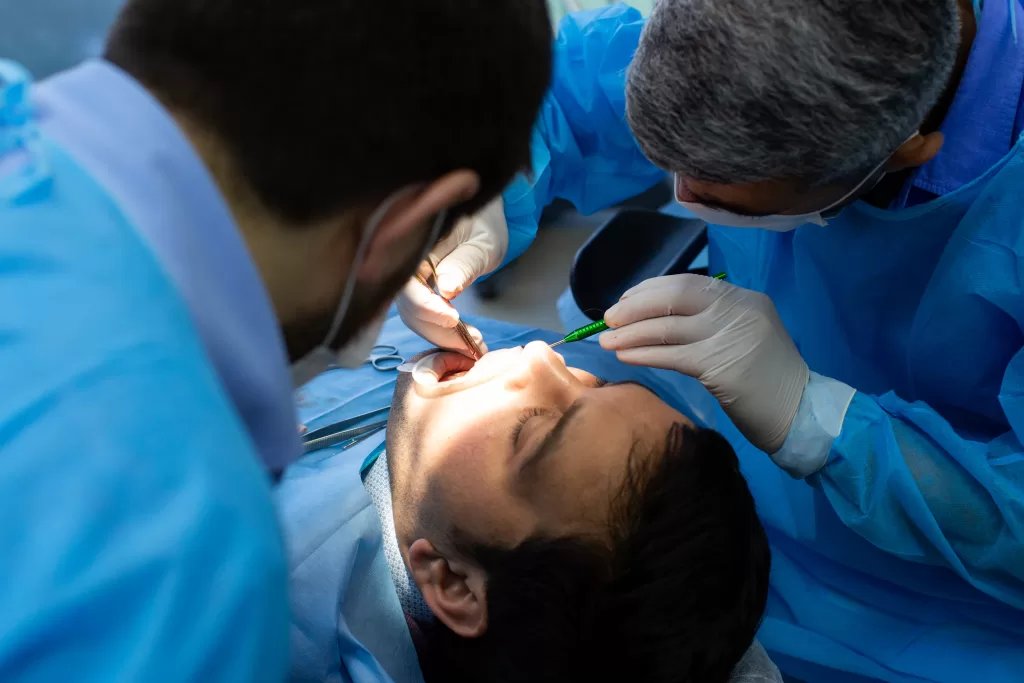
An impacted tooth is a tooth that doesn’t come through the gumline when it should. Rather than shifting into its normal position, it becomes stuck below the gums or in the jawbone. People are generally aware of impacted wisdom teeth, but the impacted canine is a common issue as well, particularly in orthodontic treatment.
A tooth may become impacted for several reasons. At times, the mouth is overcrowded. In other instances, the tooth is unevenly angled, delayed in formation, or has a genetic basis.
The key factor is that these problems rarely go undetected for long. With today’s equipment, such as panoramic X-rays or CBCT, we can identify an impacted tooth early on and make arrangements for the proper remedy, before it affects your smile or bite.
Why Impacted Canines Require Special Attention
Upper canines, or cuspids, do more than simply round out your smile. They guide your bite, help hold neighboring teeth, and play an essential part in keeping everything in line. When a canine fails to erupt correctly, it’s not something we can afford to overlook.
The top arch is particularly susceptible to an impacted canine, which can silently disturb overall alignment and cause problems down the road. If left untreated, it can damage adjacent roots, create cysts, or prolong the time you have to wear braces. Braces can’t correct a tooth that hasn’t emerged. To reach the impacted tooth and coax it into place, tooth exposure surgery is frequently necessary.
What Happens During Tooth Exposure Surgery?
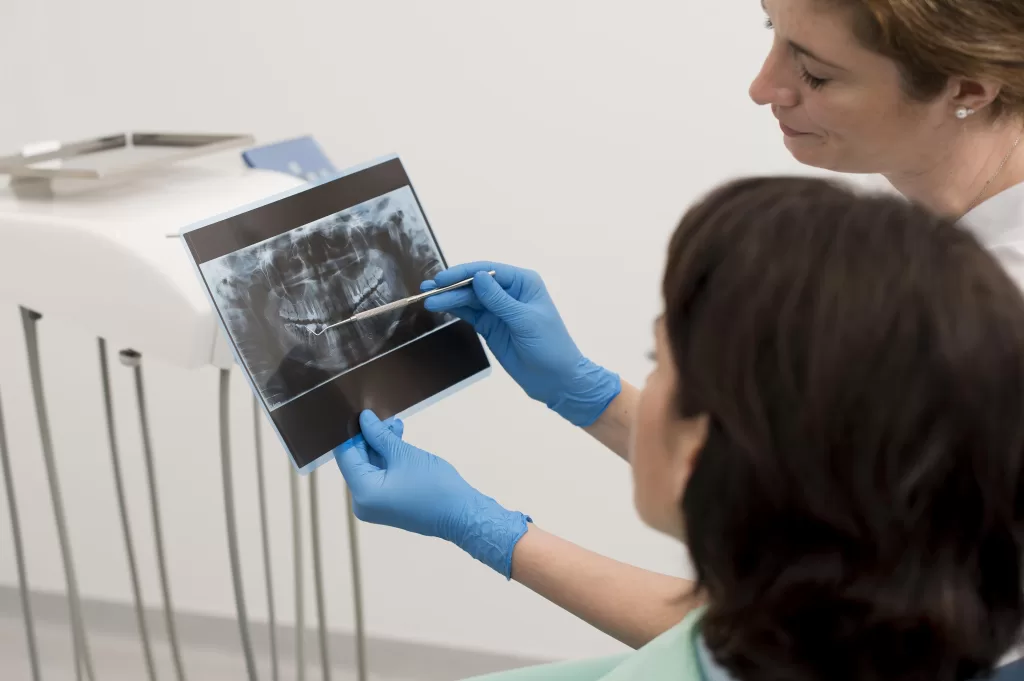
If you have been told that you need a minor procedure, you are going to wonder why. The good news is that tooth exposure surgery is a brief and well-organized procedure designed to assist your orthodontic treatment.
We generally first start with IV sedation or a local anesthetic to calm you and get you comfortable. We then create a small cut into the gum so that we can view the crown of the impacted tooth. We attach a small gold chain to an orthodontic bracket after the tooth is visible.
When you undergo tooth exposure surgery, it is performed in a very gentle way to expose the impacted tooth and move it to a place where your orthodontist can see it. Then, using the chain that is fastened to the tooth, the orthodontist will gradually move it into position. It is a synchronized treatment that combines surgical and orthodontic skills to gently and smoothly move the tooth into place.
Recovery Tips After Surgical Tooth Exposure
After your tooth exposure surgery, your post-op recovery is essential to facilitate the impacted tooth moving into position safely. Mild swelling, sensitivity, and dietary limitations will occur for three to five days. This is usual in a recovery process.
We suggest beginning gentle saltwater rinses the next day of surgery to maintain cleanliness. When brushing, avoid the surgical area and maintain good overall hygiene.
For eating, cool and soft foods are your best allies. Yogurt, mashed potatoes, and smoothies are all excellent choices; just remember not to use a straw to avoid putting undue pressure around the site.
Most people find that over-the-counter medication for pain is sufficient, but we, at Ridge Oral Surgery in New Jersey, can prescribe something if you require it.
If you experience bleeding that won’t stop, swelling that gets worse, signs of infection, or pain that worsens, contact us. We’re always here to aid in a smooth, healthy recovery.
The Role of Ridge Oral Surgery in Exposing Impacted Teeth
Impacted teeth don’t need to be a source of long-term pain. With the proper care at the right moment, they can be completely in check, and the result is transformative. A simple procedure coupled with orthodontic work can have your smile looking and feeling its best.
If you or your child is having trouble with a tooth that is failing to erupt as it should, don’t wait and guess. Let’s do this together. At Ridge Oral Surgery, we’ll be more than willing to discuss your concerns and provide superior, compassionate care every step of the way.
Regardless of whether the issue is a stubborn molar or an impacted buried canine, Ridge Oral Surgery can help. We treat patients in Warren, Morristown, and Bridgewater, and we’re always happy to answer your questions or talk about what’s next.
Call and schedule an appointment with us today!