Autoimmune diseases do not affect just the immune system. They dictate how your body heals, the way it reacts to anesthesia, and even how it accepts implants in autoimmune disease.
When we meet patients, we always remind them that success in oral surgery is closely linked with immune stability, current medications, and thoughtful collaboration with the medical team.
Think of this guide as a calm walkthrough of what really matters. We will discuss common autoimmune disorders, how they influence healing and implant outcomes, and the surgical precautions that really help ensure safer care. Understanding how oral surgery, autoimmune disorders, and immune responses interact can make procedures much more predictable and safer.
How Autoimmune Disorders Affect Healing and Bone Health
When you live with autoimmune disorders, even routine care can feel a little more complicated. An overactive immune response might trigger more inflammation than your body needs. That makes it harder for your body to heal or to accept grafts.
Lupus, Sjögren’s syndrome, and rheumatoid arthritis commonly cause dry mouth, ulcers, and an increased risk of infection. Each of these changes can affect how your body metabolizes bone and accepts an implant while suffering from an autoimmune disease. Corticosteroids, immunosuppressants, and biologics are medications that significantly impact wound healing. This is why we take extra time to understand your health and thoughtfully plan your care.
Autoimmune Disorders That Commonly Affect Oral Surgery
Each autoimmune disorder has unique considerations; thus, no single approach will work for all conditions. A deep understanding of how each condition affects the healing process informs care planning with greater confidence and clarity.
- Rheumatoid Arthritis: Jaw stiffness can limit range of motion, and changes in bone resorption may influence treatment planning.
- Lupus: There may be increased risks of bleeding and infection, and photosensitivity may occur during and sometimes after procedures in some patients.
- Sjögren’s Syndrome: Reduced salivary flow often impairs healing and increases the risk of infections.
- Multiple Sclerosis: Fatigue and neuromuscular coordination difficulties may affect patient comfort and postoperative recovery.
- Celiac Disease and Crohn’s Disease: Impaired nutrient absorption influences both tissue repair and healing outcomes.
Treatment plans for patients with autoimmune diseases who are requesting implants must be individualized based on their systemic disease status and concomitant medications.
Pre-Surgical Planning and Collaboration With Physicians
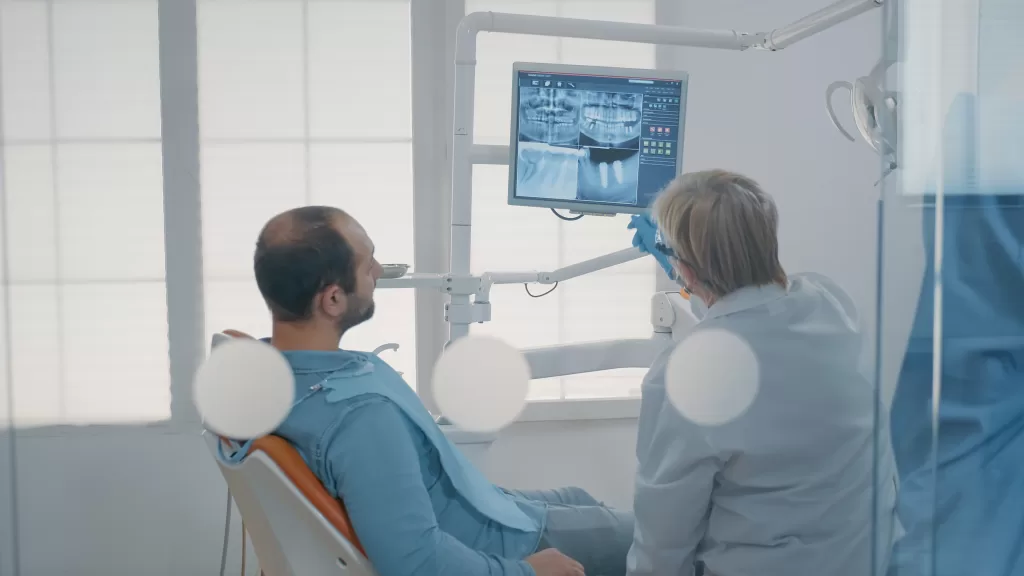
Before we move forward with oral surgery, we like to slow down and thoughtfully coordinate every part of your care. This typically involves bringing your rheumatologist and primary physician into the loop so everyone is on the same page regarding your current health status.
We review key labs, including CBC, coagulation profiles, and immune markers, to gain insight into how your body may react. Procedures are ideally scheduled during quiescent phases of autoimmune disorders. Additionally, with guidance from your physicians, medication timing can sometimes be adjusted to make the healing process much safer, which is essential when planning implants in autoimmune disease.
Surgical Modifications for Autoimmune Patients
We consider attentive modifications to make surgery as non-traumatic as possible when managing patients living with autoimmune disorders. Often, minimally invasive techniques are used, as they help minimize tissue trauma and promote easier, complication-free healing.
The administration of antibiotic prophylaxis and copious antiseptic irrigation provides additional security for the immunosuppressed. Suture and graft materials that are gentler to tissues and less apt to cause a reaction are selected. And for higher-risk cases, sterilization and aseptic measures are enhanced. For patients with autoimmune disorders undergoing oral surgery, customized surgical protocols dramatically improve outcomes.
Dental Implants and Bone Grafting in Autoimmune Conditions
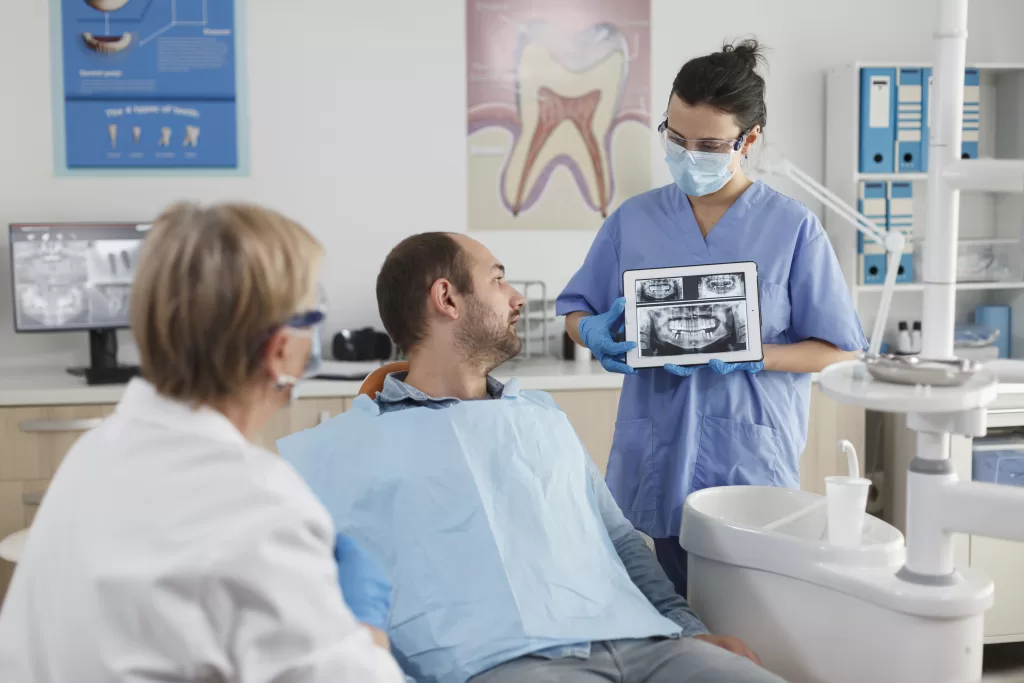
When we evaluate a patient for an implant or bone graft, we step back and look at the big picture. Bone density, periodontal health, overall systemic control, and current medications help determine whether the body is ready for treatment. For grafting, we make careful selections among autografts, allografts, and synthetic materials based on the immune system’s function.
Detailed history and lab-based assessment allow us to see how your immune system is functioning and what support may be needed. We maintain very close contact with your physicians so that medication timing and immune stability are handled thoughtfully. Sedation and anesthesia are tailored to your comfort, taking into account fatigue or sensitivity related to your condition.
Healing usually requires a little more time before an implant can be fully loaded, and we recommend a strict hygiene routine and regular follow-up to protect osseointegration. Emerging research indicates that, when properly managed, implants in patients with autoimmune disease can achieve a success rate similar to that of healthy patients.
Recovery and Post-Operative Care
Once your oral surgery is complete, our focus shifts to guiding you through a smooth, comfortable recovery. Pain control is tailored, particularly if some medications for the treatment of autoimmune disorders make NSAIDs a poor option.
We, at Ridge Oral Surgery in New Jersey, encourage simple, supportive habits, such as eating foods rich in omega-3s, staying properly hydrated, and returning to daily activities without difficulty. If you notice dryness, ulcers, or any early signs of fungal changes, reaching out quickly can help us manage them before they slow healing. Follow-up visits consistently allow assessment of soft-tissue development and stabilize any implants during recovery.
Our Approach to Caring for Autoimmune Patients
At the Ridge Oral Surgery, we take the time to understand your complete medical picture before planning any treatment.
With advanced asepsis, carefully chosen graft materials, and precise digital planning, we aspire to predictable care every time. We have fine-tuned protocols for patients requiring implants or complex oral surgery in autoimmune disorders.
It is this kind of thoughtful and coordinated care that sets us apart.
Schedule an appointment today to receive a customized plan tailored to your specific needs!