From a brutal hit on the gridiron to a fall while playing a pickup game of basketball, facial injuries can occur suddenly. What you do after it happens is important.
Some sports injuries may simply cause a bruise, but others, such as fractures, can compromise breathing, eating, or even your appearance. That’s why proper evaluation on time is critical. It puts you on the road to recovery sooner and avoids long-term issues. Being aware of when to consult with an oral surgeon or maxillofacial surgeon can be the key between a peaceful recovery and chronic complications.
In this blog, we will guide you through sports-related facial trauma, when to contact a specialist, and how specialized surgical intervention results in improved outcomes.
Why Sports-Related Facial Injuries Need Specialist Care
The face absorbs a lot of the impact during sports, particularly the jaw, cheekbones, and the orbital bones surrounding the eyes. These are not simple structural items; they’re necessary for chewing, talking, and being able to see well. When something occurs, it’s easy to wave it off, but putting it off until it becomes more serious can lead to bigger issues.
Conditions such as misalignment of the bite (malocclusion), infection, or even long-term alteration of your looks can arise if injuries are not addressed promptly. That’s where expert treatment enters the picture.
Oral and maxillofacial surgeons are specifically trained to handle these sensitive areas with precision and delicacy. Injuries are common in contact sports like football and hockey, but careless collisions or falls during practice can be just as serious. If it hurts, swells, or is hard to move your jaw, it’s better to get checked out early. The earlier you do this, the easier your recovery will be.
Common Types of Sports-Related Facial Injuries
Sports facial injuries are more prevalent than we might realize, and they can be anything from minor to severe. By understanding the various categories of trauma, you can recognize when it’s time to get professional attention.
Here’s a closer examination of the most frequent sports facial injuries and how timely, specialized treatment is essential in each case.
Jaw Fractures
The jaw is particularly susceptible to blows during sports. Symptoms of a fracture are tenderness, swelling, a palpable change in the way teeth fit together, or trouble closing the mouth. A bad jaw injury usually necessitates broken jaw treatment by an experienced oral surgeon, not an ER visit.
Facial Fractures
Fractures of the orbital or cheekbones can affect appearance as well as function. There might be flattening of the face, bruising, or vision disturbances. Care must be taken to assess these injuries so that long-term problems are prevented.
Dental Trauma
Knocked-out or fractured teeth occur frequently in contact sports and require urgent care. Early treatment can easily salvage the tooth and restore appropriate function and form.
Soft Tissue Injuries
Lacerations, tears, or internal trauma to the cheeks, gums, or lips may appear trivial, but usually require exact repair to heal correctly. If left untreated, without the care of an expert, they can result in scarring or persistent pain.
When to Call an Oral and Maxillofacial Surgeon
Not every facial injury needs emergency surgery, but certain specific symptoms indicate it’s time to dial up an oral and maxillofacial surgeon immediately.
If there is trouble in breathing, speaking, or swallowing, or if teeth are loose, out of position, or even missing altogether, don’t hesitate. Another indication that specialized care is necessary is the presence of edema, facial irregularities, or a ‘locked’ or misplaced sensation in the jaw.
Whereas the ER may stabilize a wound and address pain, it’s usually not staffed to address the delicate surgical intervention required for complete recovery. That’s where an oral and maxillofacial surgeon is used. They are trained to deal with complicated facial trauma, which includes bone fractures, jaw realignment, and dental reconstruction. Having proper care initially can make all the difference in your recovery and how quickly you return to everyday life.
Advanced Techniques in Facial Trauma Care
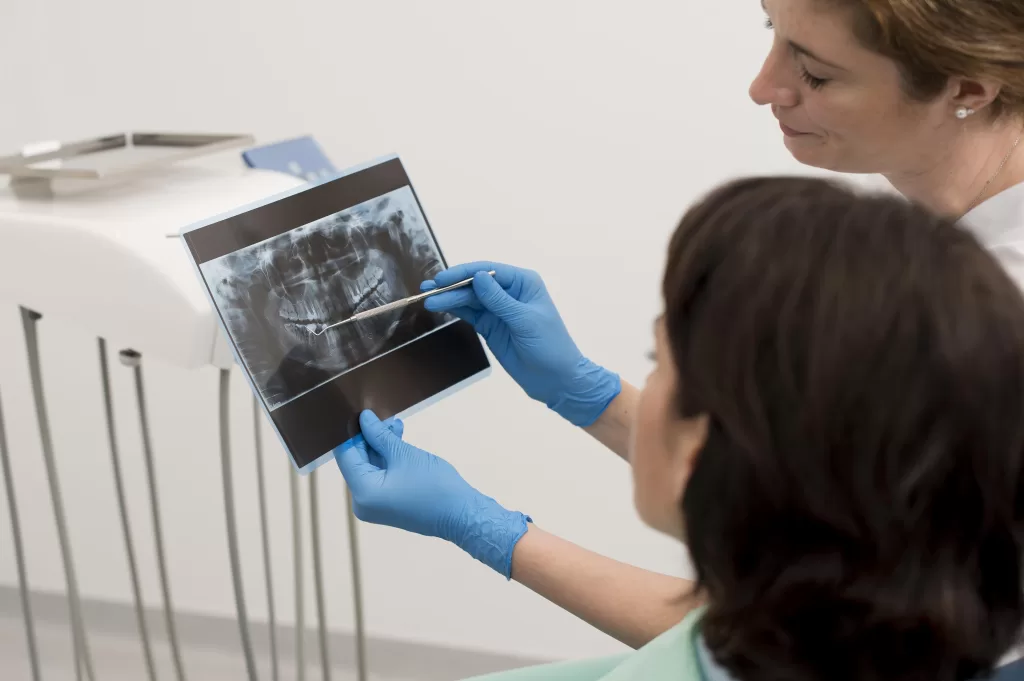
Treatment of facial trauma has come a long way, combining accuracy, technology, and beauty to help speed up recovery and enhance results. Let’s observe how an oral and maxillofacial surgeon treats patients with the most modern patient-centered techniques.
Imaging for Precision
Accurate diagnosis is the key to successful treatment. To obtain clear, precise pictures of the facial bone structure, we employ sophisticated 3D CBCT scans. This allows us to locate fractures and take the best course of action right away.
Surgical Fixation
Stability is also essential for complicated facial fractures. Fractured bones are gently realigned and stabilized with small plates and screws, usually reshaping facial contours and permitting routine healing with long-term outcomes.
Broken Jaw Treatment
Fractures of the jaw are something that requires careful treatment. At Ridge Oral Surgery in New Jersey, our team uses the most advanced technology to deliver comfortable and functional broken jaw treatment, wiring, or rigid fixation, depending on the degree of the fracture.
Scar-Minimizing Techniques
We emphasize natural appearance. Indeed, wherever feasible, we use intraoral incisions and subtle cosmetic suture techniques to reduce visible scarring and maximize aesthetic outcome, as well as functional recovery.
What to Expect During Recovery
Healing time for a facial fracture can take longer than the usual 4-6 weeks, depending on the severity of the fracture and the consequent healing process. To avoid overworking the affected area during healing, your facial or oral surgeon might recommend a liquid or soft diet.
Follow-up appointments are required to monitor the bite relationship (occlusion) and confirm that the jaw joint is stable during healing. Physical activity, especially contact sports, should also be avoided until medical clearance is provided. Returning too soon may jeopardize healing or result in re-injury. With proper care and guidance, most patients return to normal function with a good long-term result.
Preventing Sports-Related Facial Injuries
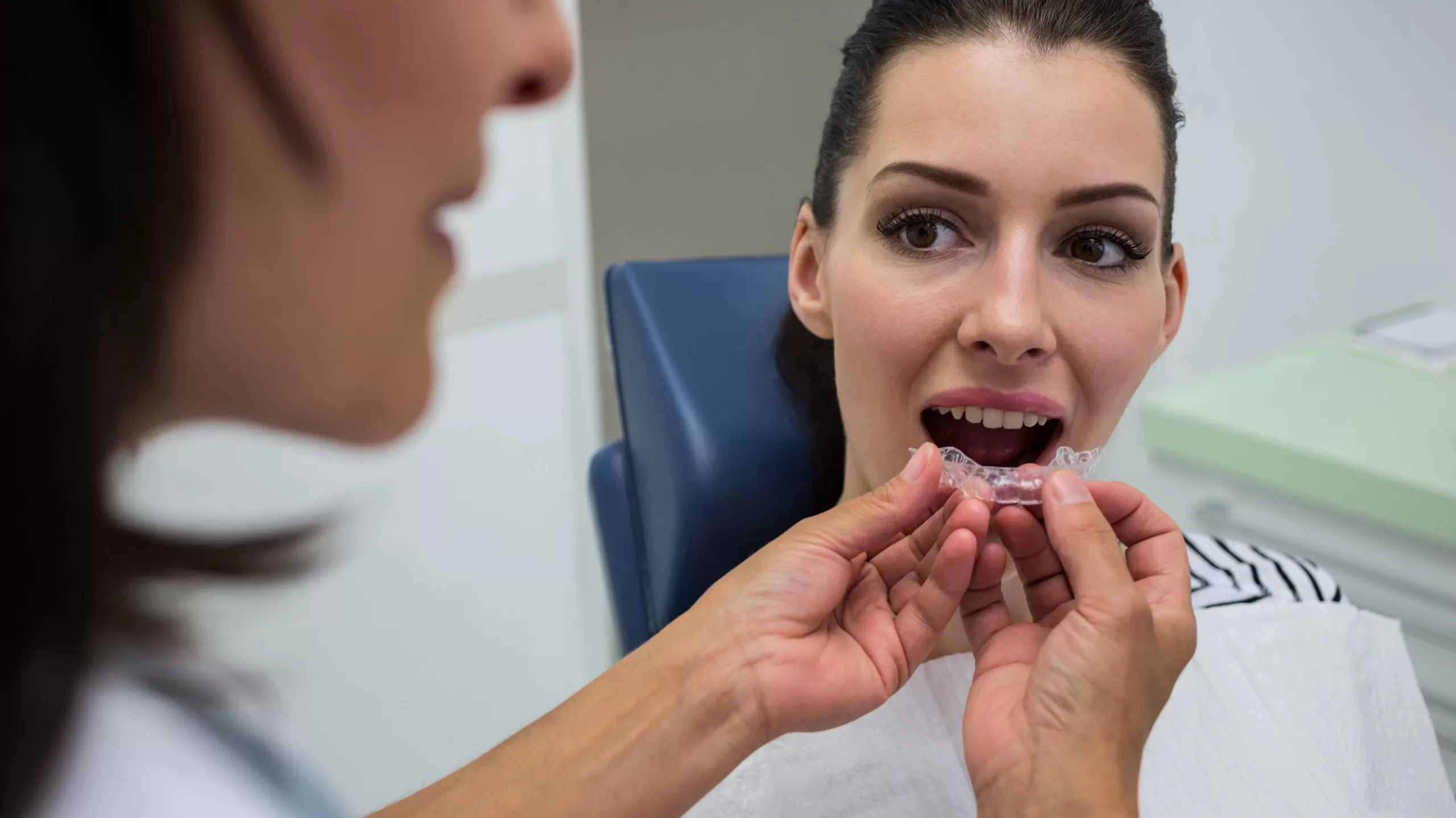
Prevention is indeed the best medicine when it comes to sports facial injuries. A custom-made sports mouthguard is one of the easiest and most effective options. Unlike mass-produced ones, these are tailored to fit with ease and provide shock absorption where it is most needed. A properly constructed mouthguard can prevent facial fractures or eliminate the need for extensive broken jaw therapy later on.
Protective face shield helmets offer an additional degree of safety for contact sports like football or hockey. Another important factor is education. Players, parents, and coaches must be aware of the warning signs of injury since rapid response is necessary. Awareness counts.
Why Choose Ridge Oral Surgery for Trauma Care
At Ridge Oral Surgery, we understand the overwhelming nature of a facial injury and are here to guide you through the process. Our board-certified oral and maxillofacial surgeons specialize in reconstructive surgery, so you’ll have top-notch care from the very beginning. From a complicated facial fracture to restoring a missing tooth with a dental implant, we provide comprehensive, tailored treatment all in one convenient location.
We also offer emergency appointments and are a member of hospitals in the area, so you can receive timely, hassle-free treatment. When you trust an oral and maxillofacial surgeon, you’re selecting the finest training, accuracy, and outcomes that restore shape and function.
Serving Warren, Bridgewater, Morristown, and the surrounding New Jersey communities with pride, we’re dedicated to providing expert care with a personal touch.
When you need us the most, give us a call to arrange a consultation appointment and get started on your healing journey today!