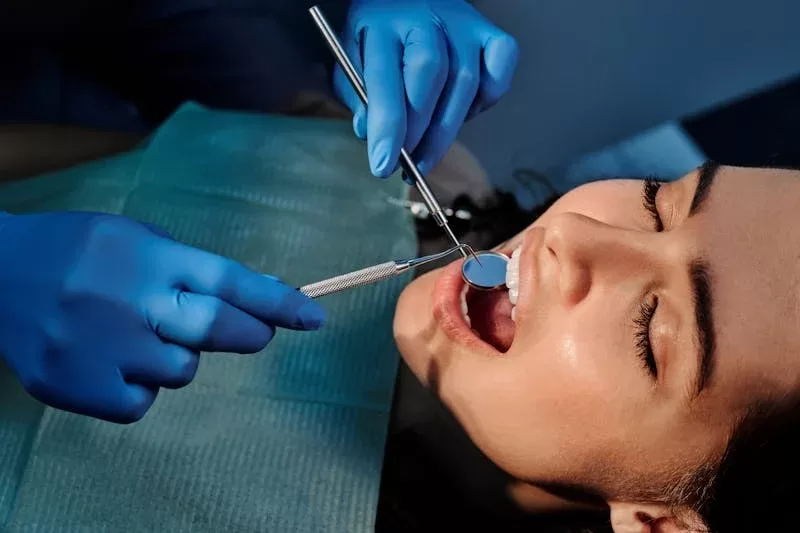
Most dental problems don’t announce themselves loudly until they become expensive, painful, or urgent. We see it all the time, and it is usually not because someone ignored their health. Life just gets busy. That is why we like to think of 2026 as a calm, elevated reset. Less panic, more clarity, and better timing.
In this guide, we walk you through a prioritized list of dental issues worth addressing early in the year, explain why acting sooner often means simpler care, and outline what a few practical quick wins can look like.
A 2026 reset starts with protecting your oral health before small issues become schedule-breaking emergencies. Think of this as friendly guidance, not pressure. Just smart steps that help you stay ahead of concerns like gum disease or that moment you go searching for a tooth extraction near me.
Why “Waiting It Out” Rarely Works in Dentistry
We get why waiting feels tempting. A little sensitivity here, mild soreness there, and it’s easy to hope it’ll pass. The reality is that many dental problems remain silent as they slowly progress.
Enamel can weaken, inflammation can linger, small cracks can grow, and infection can spread without obvious warning signs. By the time discomfort demands attention, treatment is often more involved and recovery takes longer, not to mention the added cost and missed plans. That’s why early action counts. Addressing concerns sooner helps preserve tooth structure and keeps your options open. Investing in your oral health early is often the simplest way to avoid bigger disruptions later.
The 2026 Oral Health Reset Checklist
Think of this as a helpful reset, not some scare list. We are simply prioritizing the things that tend to matter most when it comes to long-term care. An important thing to keep in mind is that symptoms do not always reflect severity. Some of the most serious concerns can be painless at their outset. That is why this checklist focuses on awareness and timing. A truly thoughtful 2026 reset begins with paying closer attention to your oral health, even when everything feels fine.
Problem #1: Gum Bleeding and Gum Disease Warning Signs
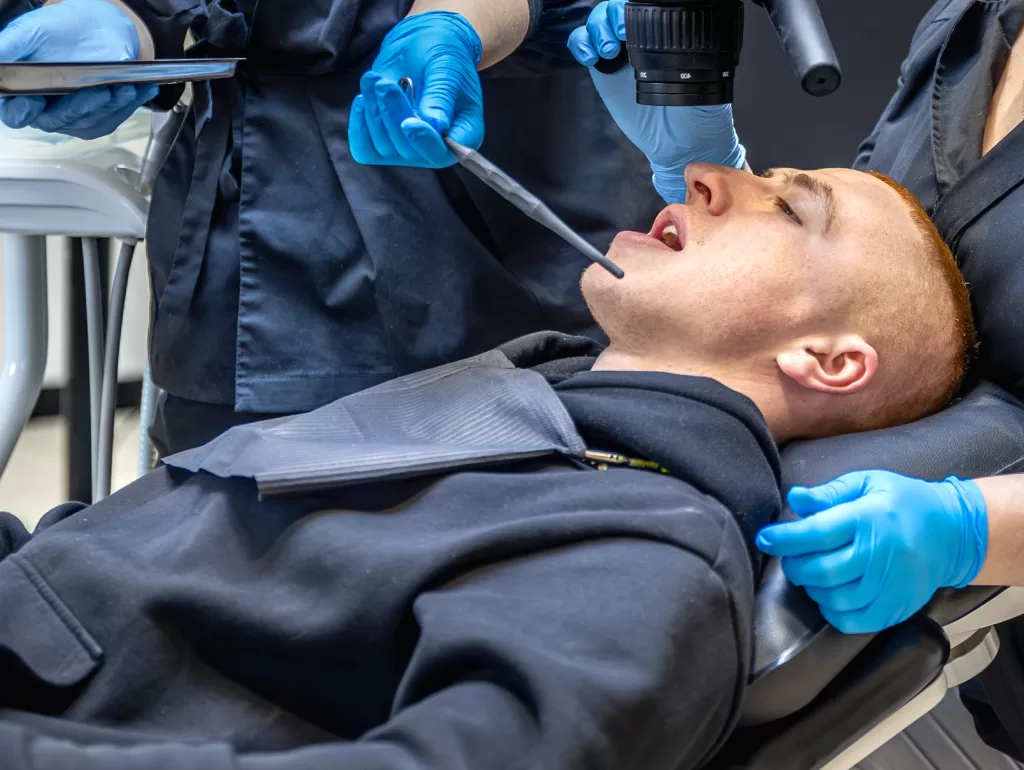
If your gums bleed when you brush or floss, it is tempting to dismiss it. Most people do.
But bleeding is often an early sign of gingivitis, plaque buildup, or developing gum disease. Other clues can be easy to miss: persistent bad breath, tenderness, gum recession, or a sense that a tooth feels less stable than it used to. This matters because inflammation does not stay isolated. Over time, it can affect the structures that support your teeth.
The good news is that early care is usually simple. It often includes professional cleaning, periodontal charting, small home-care upgrades, and a maintenance routine that fits your schedule. Catching gum disease early is one of the most effective ways to protect your smile for the long run.
Problem #2: A Toothache That Comes and Goes
A toothache that comes and goes, then recurs, is easy to ignore. We get it. Even so, intermittent pain usually indicates decay progressing toward the nerve, a slight crack in the tooth, or a bite-related stress problem.
Sensitivity to cold or sweets will often be your first clue. If it passes, that might be acceptable, but if it persists or recurs, it is time to take action. The longer you wait, the more you limit your options and the higher the likelihood of needing a root canal or, worse, a tooth extraction near me. A thorough examination with imaging, along with a bite check, helps pinpoint the problem while treatment is still less invasive.
Problem #3: Repeated Swelling, Gum “Pimples,” or Bad Taste
If you continue to notice swelling, a small pimple on the gums, or a bad taste that returns, it is often an indication that an infection is draining. It might settle down for periods, which makes one tempted to wait. The problem is that antibiotics do not address the issue if the source remains present. Real treatment targets the cause. That could include endodontic care, periodontal treatment, or, in some cases, planning for tooth extraction at the Ridge Oral Surgery clinic in New Jersey, with thoughtful grafting to support long-term healing.
Problem #4: Broken Teeth, Old Fillings, and “Something Feels Off” Bites
It is easy to ignore a small chip or a filling that feels slightly different. Most people do. The problem is that tiny cracks can spread in silence and become major splits-often with daily chewing pressure. Older crowns and fillings may also begin leaking, allowing decay to build up beneath them without obvious warning signs.
If your bite suddenly feels off, it may point to grinding, shifting teeth, or dental work that is no longer holding up. Addressing these changes early helps protect your oral health and often means simpler repairs, small bite adjustments, or a nightguard rather than more extensive treatment later.
Problem #5: Wisdom Teeth and Crowding Pressure
If your gums feel sore behind your molars, food gets stuck, or you notice recurring inflammation or jaw stiffness, there may be pressure from your wisdom teeth.
Fortunately, timing makes a big difference. Planning a removal during school breaks or lighter work periods is generally much easier and less stressful than dealing with an emergency. X-rays or other imaging help to guide the plan by showing the type of impaction and how close the teeth are to nerves. Addressing this early helps protect your oral health and keep your smile comfortable.
When a Tooth Truly Can’t Be Saved

Sometimes, a tooth simply cannot be saved. You may notice a severe fracture, advanced decay, repeated infections, or a tooth that feels loose. The good news is that the earlier you act, the easier it usually is. Early care often translates into a simpler extraction with less bone loss and less interference should you proceed with an implant later.
If you are considering a tooth extraction, it is likely because the problem has been developing, and an early consultation can help you avoid a rushed decision. Being checked before pain takes over is one of the smartest ways to protect your oral health.
Your 2026 Timeline: When to Book What
A simple way to stay on top of your oral health this year is to plan your schedule around your oral health. Start with a baseline exam and cleaning in January or February, check your gums, and take a fast look at your bite.
Spring is perfect for any restorative work before summer travel or busy months. Summer is a good time for proactive wisdom teeth planning. By fall, you can schedule grafting or implants so everything wraps up smoothly before the year ends. Planning this way keeps care realistic, stress-free, and easy to fit into your routine.
At-Home Upgrades That Actually Move the Needle
Small changes at home boost your oral health. Try brushing with soft bristles for a full two minutes; if you prefer, a power brush can help as well.
Don’t forget interdental cleaning-floss or interdental brushes work; just pick the one you know you will actually use. Rinses, such as fluoride or antimicrobial rinses, are helpful when needed. Little habit shifts, like cutting back on all-day snacking and drinking water after acidic or sugary foods, make a difference. Strong daily habits are the foundation of oral health, but they work best when supported by professional care.
How We Approach the Oral Health Reset
At Ridge Oral Surgery, we pride ourselves on clarity and simplicity. First, we take a proper diagnosis. Then we review options and set a timeline that fits your schedule. As needed, we use modern imaging and technology to guide care and provide the most conservative approach possible.
Comfort and efficiency matter, so we minimize appointments while still getting the best results. Our goal is to reduce risk, treat early, and keep gum disease and recurring infections from shaping your year. The way forward is all about keeping you ahead with no stress.
Get 2026 started right with an appointment for an evaluation with Ridge Oral Surgery. You will walk out with a clear plan you can actually follow, and keep your smile healthy and stress-free all year.