A simple, everyday toothache can sometimes be the beginning of something much more critical. Odontogenic infections in most instances begin in the teeth or the tissues and rapidly spread to the jaw, face, or even the neck. Not only are these infections painful, but they can be deadly if left untreated. Identifying early symptoms of jaw infection is crucial in averting a life-threatening odontogenic infection.
In this post, we will guide you through the warning signs, the dangers of ignoring them, and how to protect yourself against them. At Ridge Oral Surgery, we have witnessed firsthand the difference that comes with detecting things early on, and we want you to know what it takes to act before complications set in.
What Is an Odontogenic Infection?
An odontogenic infection is more than a mere dental problem. It is an infection caused by bacteria that starts in the tooth, the pulp within it, or the structures that support it. Sometimes, it begins with something minute, such as an untreated cavity or a hairline fracture in the tooth. Occasionally, it could be due to a root canal failure or periodontal disease.
In the beginning, the issue may remain localized, developing into an abscess that’s painful but controlled. The risk occurs when it moves past the tooth to the jawbone and even into the facial spaces. That’s when symptoms of jaw infection can become rapid. Understanding how these infections form can be the difference in keeping your oral and overall health secure.
Why Odontogenic Infections Can Become Dangerous
Odontogenic infection is perilous because it can spread with such ease. The face and the neck contain linked spaces, and so the bacteria spread faster. If the infection reaches the jawbone, it can destroy it in an inflamed, deforming process called osteomyelitis. From there, it can migrate into the neck spaces, where swelling can choke off the airway and complicate breathing.
In extreme, but rare instances, the infection may even extend to the brain. In earlier times, before antibiotics, such infections would frequently prove to be fatal. Fortunately, contemporary treatment has made a difference, but the danger remains very real if jaw infection symptoms are ignored. Racing against time isn’t simply about preserving your tooth; it’s about guarding your general well-being and even your life.
Spotting Early Jaw Infection Symptoms
The earlier you recognise the warning signs, the more likely you are to be able to stop things before they get out of hand. Symptoms of jaw infection can begin mild, but escalate quickly.
It could be something as simple as a lingering, aching toothache that pain medication hardly affects. Next, you might see your jaw, face, or neck swelling. If you get a fever and chills, your body is warning you that the infection is spreading. Swallowing or breathing difficulty is a red flag requiring immediate treatment. A limited mouth opening, or trismus, is also a sign you shouldn’t overlook.
Passing off jaw infection signs such as swelling, fever, or trismus can let an odontogenic infection spread recklessly.
Diagnosis: How Surgeons Identify the Problem

The diagnosis of odontogenic infection starts with a thorough but brief exam. We will first be taking a history from you about the symptoms of jaw infection that you have had and how they have affected your overall health. We will then evaluate the infected tissue for swelling, tenderness, or limited movement.
For more information, a wide X-ray or CBCT scan is done to check if the infection has spread into the jawbone. In severe cases, blood tests or bacterial tests can determine the root cause.
If the infection is critical, we consult medical experts and get treated in the hospital. Step by step, we can diagnose the issue at an early stage and provide the required treatment.
Treatment Options for Odontogenic Infections
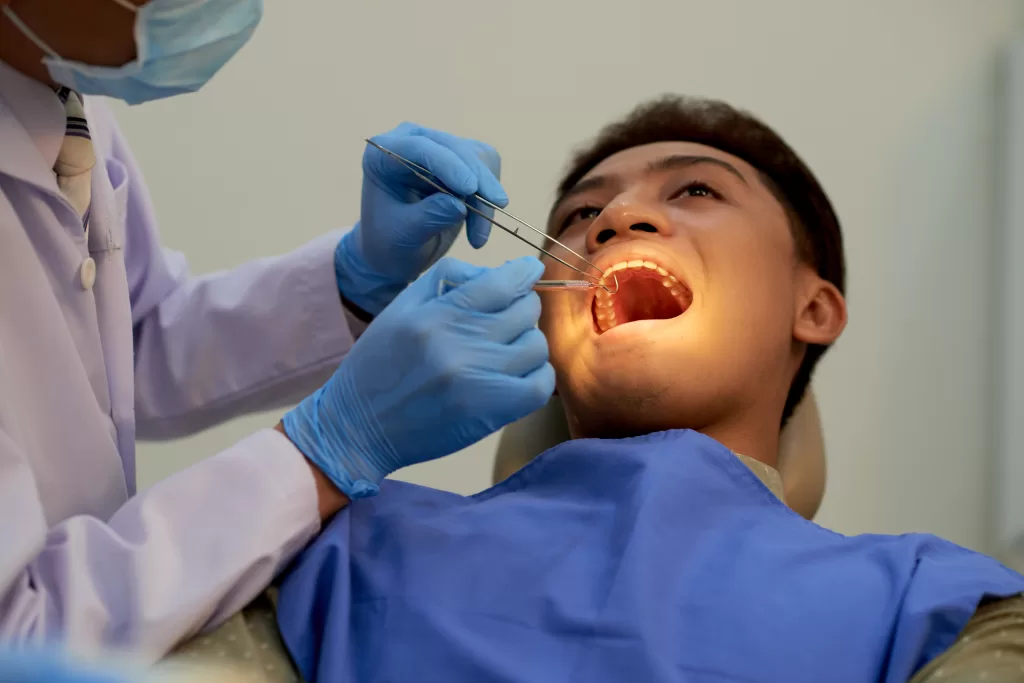
Treating an odontogenic infection is all about moving fast and selecting the proper intervention for your particular case. The aim is to halt the disease in its tracks and prevent it from causing further damage.
Immediate Goals
The initial action is draining the infection. This may be accomplished by a small incision and drainage, a root canal to remove the infected pulp, or by extracting the tooth. Removal of the source of bacteria allows healing.
Supportive Care
Antibiotics are taken, ideally based on culture reports, to treat the specific bacteria. Pain control and swelling reduction keep you feeling well until your body heals.
Surgical Intervention
If the infection has advanced to involve deeper structures, hospital surgery may be indicated. A significant odontogenic infection can require both the removal of the tooth and the surgical drainage to cure.
Prompt action can avoid serious complications when it comes to odontogenic infections.
Recovery and Monitoring After Treatment
Recovery from an odontogenic infection is a matter of its severity and the sort of treatment needed. For something that’s found early, you can be yourself again within a few days. More serious infections take several weeks to heal. Follow-ups are required to monitor the reduction in swelling, pain levels, and the state of return of your jaw to normalcy.
Now, eating a soft diet can help make meals easier, and frequent but gentle oral hygiene will stop new bacteria from developing. At Ridge Oral Surgery, New Jersey, we also walk you through what to watch for, including the recurrence of swelling, fever, or new pain. Being attentive and in contact with your dental team is the easiest way to improve your dental health.
Prevention: How to Avoid Dangerous Jaw Infections
The easiest way to avoid a severe odontogenic infection is to stay one step ahead of it. Prevention of jaw infection symptoms starts with preventive dental care before an odontogenic infection. Regular checkups enable us to identify cavities, gum issues, or other minor issues before they become painful. When a filling or crown fails, having it fixed promptly prevents bacteria from gaining control.
Your general health is also a factor, so keeping conditions like diabetes or immune diseases under control can lower your risk. Your best defense is to get regular dental care and brush and floss every day. Taking small steps now helps ensure you are much less likely to have to suffer the pain and distress of a dangerous jaw infection down the road.
Ridge Oral Surgery’s Approach to Odontogenic Infections
At Ridge Oral Surgery, we know that an infection in the teeth can go from just hurting to deadly in a split second. We are here to make sure that does not occur.
If you’re located in Warren, Morristown, or Bridgewater, NJ, rest assured of superior, compassionate care.
Call Ridge Oral Surgery at the very first sign of difficulty, and we will help you heal safely.