A fractured tooth with gumline. A ‘gummy’ smile you’d rather enhance. Is surgery the next option?
We understand; deciding on a crown lengthening procedure is a significant decision. The truth is, it’s a simple procedure that carefully exposes more of your natural tooth, either for better function or a more harmonious smile. Many patients ask whether crown lengthening is truly necessary or if a simpler option will do.
In this blog, we’ll discuss when crown lengthening is recommended, how the process works, what recovery looks like, and the associated costs and alternatives. By the end, you’ll have a clearer idea of what to expect and how to find trusted experts for crown lengthening in your area.
When Is It Actually Necessary?
So, when is crown lengthening really necessary? Occasionally, it’s for health reasons; sometimes, it’s purely cosmetic.
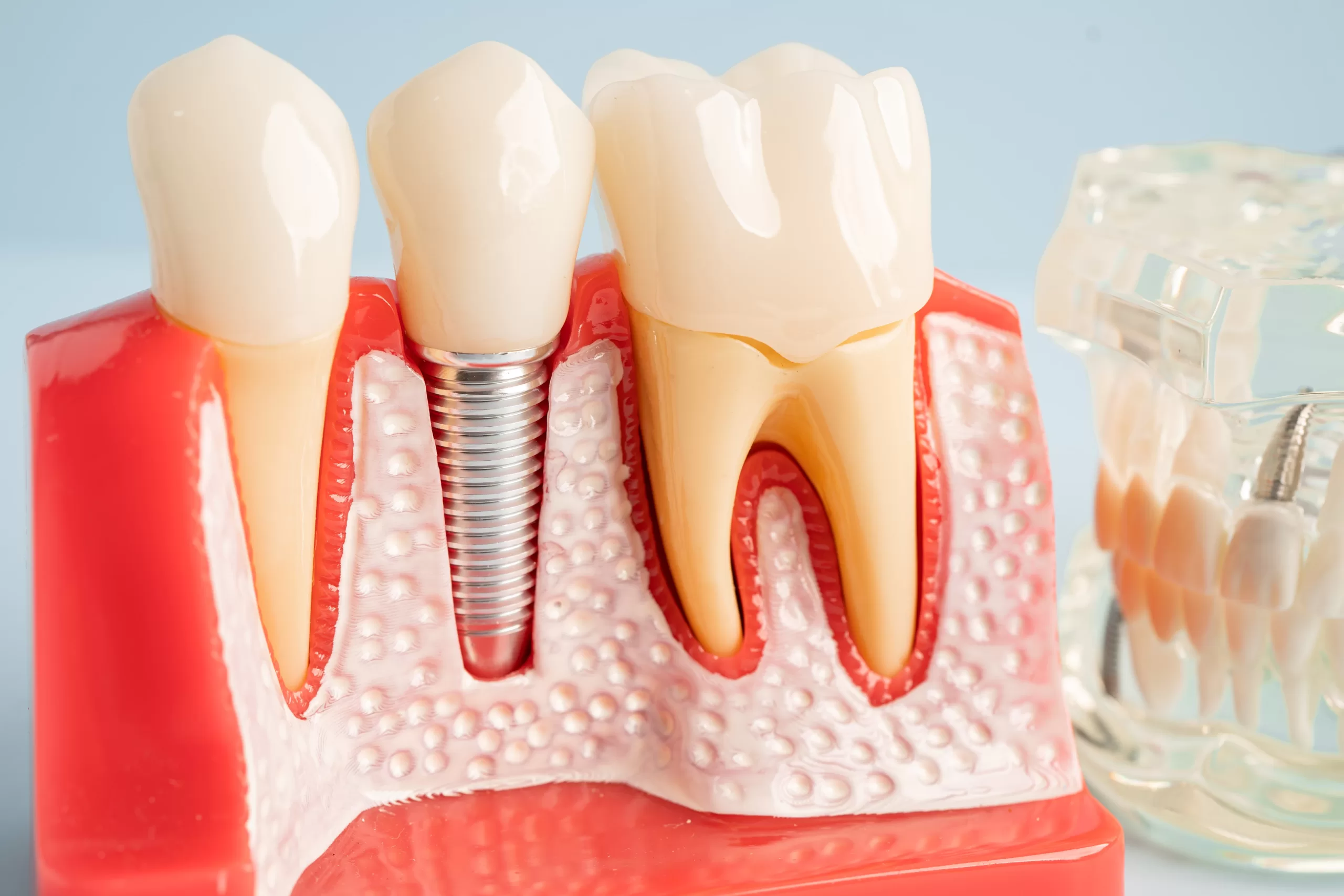
Functionally, a crown lengthening procedure is indicated when a tooth fractures close to the gumline, when decay is below the level of the surface, or when there is sufficient structure to support a new crown adequately.
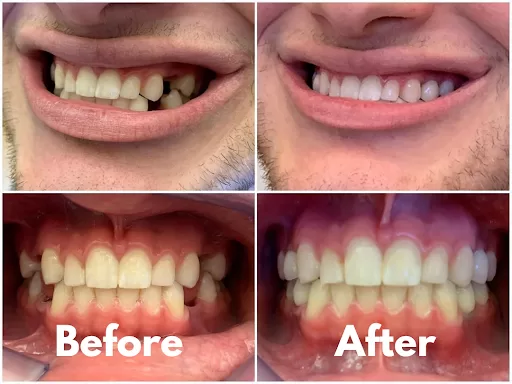
Esthetically, it can give a ‘gummy’ smile a makeover, make short teeth appear longer, or provide a more even and smoother gumline. Neglecting treatment may result in recurrent decay, unsuccessful restorations, gum inflammation, or even bite issues. When we schedule crown lengthening, we consider the entire picture, including gum health, crown retention, smile line, and lip movement, to ensure that the outcome is both functional and aesthetically pleasing.
How We Decide: Exam, Imaging, and Smile Design
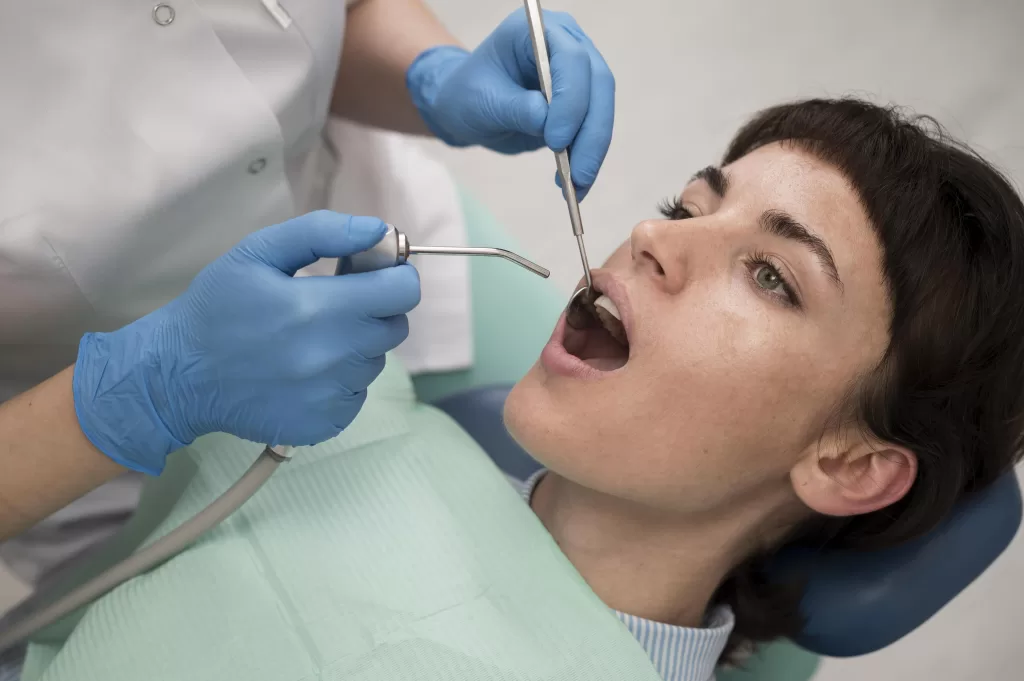
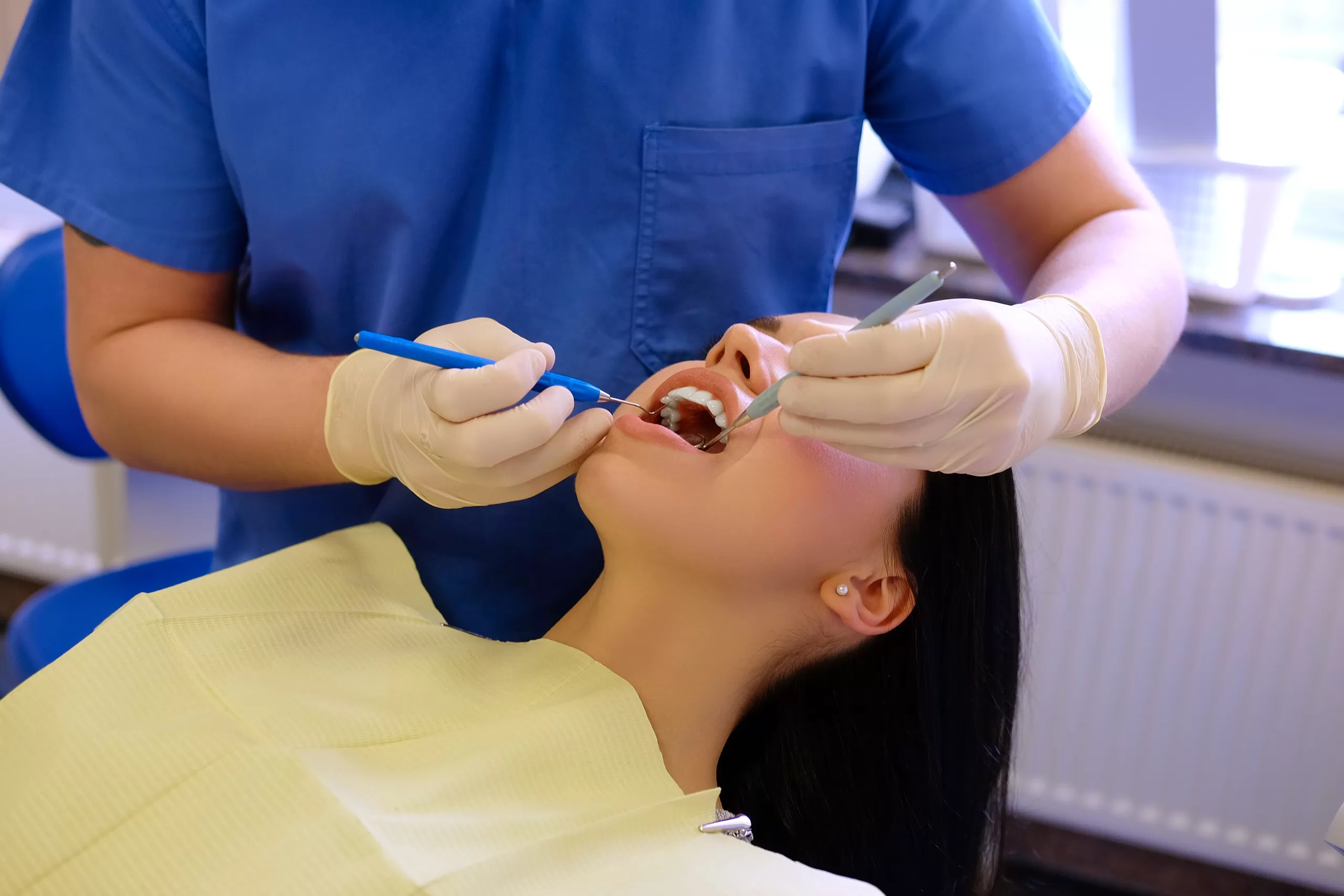
Before recommending a crown lengthening procedure, we ensure that we understand your smile from every angle. During your visit to the Ridge Oral Surgery in New Jersey, we check your gum health, assess for decay, and evaluate any tooth mobility.
We take detailed images, such as periapical X-rays or CBCT scans, to study your bone levels and root length close up. Digital smile design and mock-ups allow you to preview how your new smile will look in the case of esthetic conditions.
We often work closely with your restorative dentist or orthodontist, as many cases benefit from this collaboration to achieve the best possible outcome. If your exam reveals an inadequate ferrule or subgingival decay, crown lengthening often becomes the predictable path. This attention to detail at the planning stage enables us to provide results that are functional and naturally beautiful.
What Happens During a Crown Lengthening Procedure
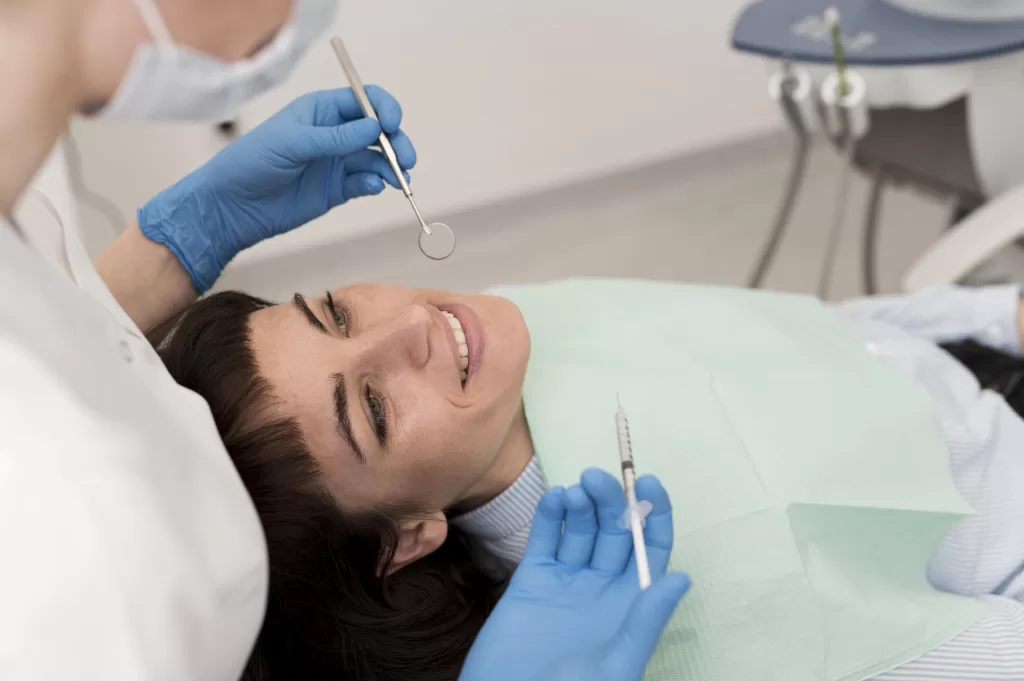
At the beginning of a crown lengthening procedure, we go the extra mile to make sure you are comfortable. We use local anesthesia to numb the area and then gently recontour the gum tissue, adjusting a small amount of bone if necessary, to expose more of your natural tooth. We then shape the area and place small sutures to support the healing process.
For some patients, this may mean restoring one tooth, while for others, it may involve esthetic recontouring of several teeth in the smile zone. The visit usually lasts an hour, and any mild discomfort afterward is usually handled with simple pain relief. A well-planned crown lengthening procedure will create stable tissue and space for a long-lasting restoration, making your smile feel healthier and more naturally beautiful.
Recovery, Timelines, and What Results Look Like
Recovery after a crown lengthening surgery is comfortable and readily tolerated.
Mild swelling during the first few days is normal and can be minimized by using cold compresses, following a soft diet, and maintaining good oral hygiene. We usually remove sutures and check your healing within one to two weeks. Most patients wait approximately 6 to 12 weeks before placing the final crown, allowing the gum tissue time to stabilize and achieve optimal results.
For more detailed aesthetic cases, the wait may be slightly longer. Once fully healed, you’ll notice a more balanced smile with even gumlines and naturally lengthened teeth. The results of crown lengthening often look subtle yet make a beautiful difference in your overall appearance.
Risks, Trade-Offs, and How We Minimize Them
As with any treatment, several factors should be considered when undergoing crown lengthening.
Some individuals may experience slight sensitivity or notice temporary root exposure or minor gum changes following the treatment. These usually pass as the area settles. Care is taken in planning and performing the procedure to minimize risks. We respect the biologic width, preserve the gum papilla, and only recontour what is necessary.
Situations not well-suited for a crown lengthening procedure include cases with short roots, a weak crown-to-root ratio, high risk of cavities, or uncontrolled gum disease. Choosing the right approach for the right patient means we keep your experience safe, comfortable, and focused on lasting results that support health and beauty.
Alternatives You Should Consider First
Before considering a crown lengthening procedure, it is always wise to consider other possibilities.
Sometimes, orthodontic or forced eruption can move more of the tooth above the gum line, allowing for restoration without the need for surgery. Restorative margin relocation is another option in select cases. For purely esthetic goals, Botox for a hypermobile lip, aligner therapy to refine the smile, and even a minimal gingivectomy can be helpful when bone position allows.
These are not always adequate, however, when decay extends too far below the gum line or there is insufficient structure to support a secure crown. That is the time when crown lengthening is the most reliable means of restoring function and creating a healthy, confident smile.
Can I Get Invisalign If I Have Dental Crowns, Bridges, or Veneers?
Yes, in most cases you can get Invisalign even if you have dental crowns, bridges, or veneers, but your treatment plan may need adjustments. Invisalign aligners can usually move teeth with well-bonded crowns and veneers safely, as the aligners fit over them and apply gentle, controlled pressure. Dental bridges, however, connect multiple teeth together, so they cannot be moved individually; Invisalign can still be used, but only the teeth not part of the bridge can be repositioned. Ultimately, a dentist or orthodontist must evaluate the stability and placement of your existing dental work to determine whether Invisalign is suitable and to design a plan that protects your restorations while improving your smile.
Cost, Insurance, and Value
Depending on your individual needs, some factors affecting the cost of a crown lengthening procedure include the number of teeth being treated, whether it involves soft-tissue-only treatment or bone reshaping, and the type of sedation used.
Insurance coverage may vary based on your plan, but medically necessary treatments are often covered, whereas those done for cosmetic reasons are usually not. Nevertheless, crown lengthening is an investment in the health and aesthetic appearance of your smile. It can help longer restorations continue to be successful, avoid future issues, and create a more even smile. The value lies in results that look natural and stand the test of time.
Choosing The Right Surgeon (What To Look For)
When considering a crown lengthening procedure, the right surgeon makes a significant difference. Seek a board-certified specialist who collaborates directly with your restorative dentist to outline the best solution for your smile.
It’s also a good idea to discuss the estimated time it will take to heal, how the gum tissue between the teeth will be maintained, and what the final contours of your crowns will look like. If you’re searching for crown lengthening near you, teams that plan with your restorative dentist and show verifiable case results are a priority. The right partnership yields beautiful, lasting, and confident results.
Our Approach To Treatment and Aftercare
Every crown lengthening procedure is carefully designed and executed with utmost precision and care at the Ridge Oral Surgery clinic.
We begin with detailed diagnostics to guide a conservative approach, removing only what is necessary for a healthy and balanced result. Esthetic mock-ups are used to allow you to see what your smile will look like before the beginning of treatment. Your comfort during the procedure is vital as gentle anesthesia is used, and you are maintained in an environment that is relaxing.
Finally, post-procedure swelling management, hygiene maintenance, and follow-up visits are clearly guided by the team. We also work closely with your restorative dentist to ensure your final crown or veneer fits beautifully. The result is reliable function, long-term stability, and an absolutely natural look.
Book a visit today to review whether a crown lengthening procedure or a non-surgical alternative is right for you.