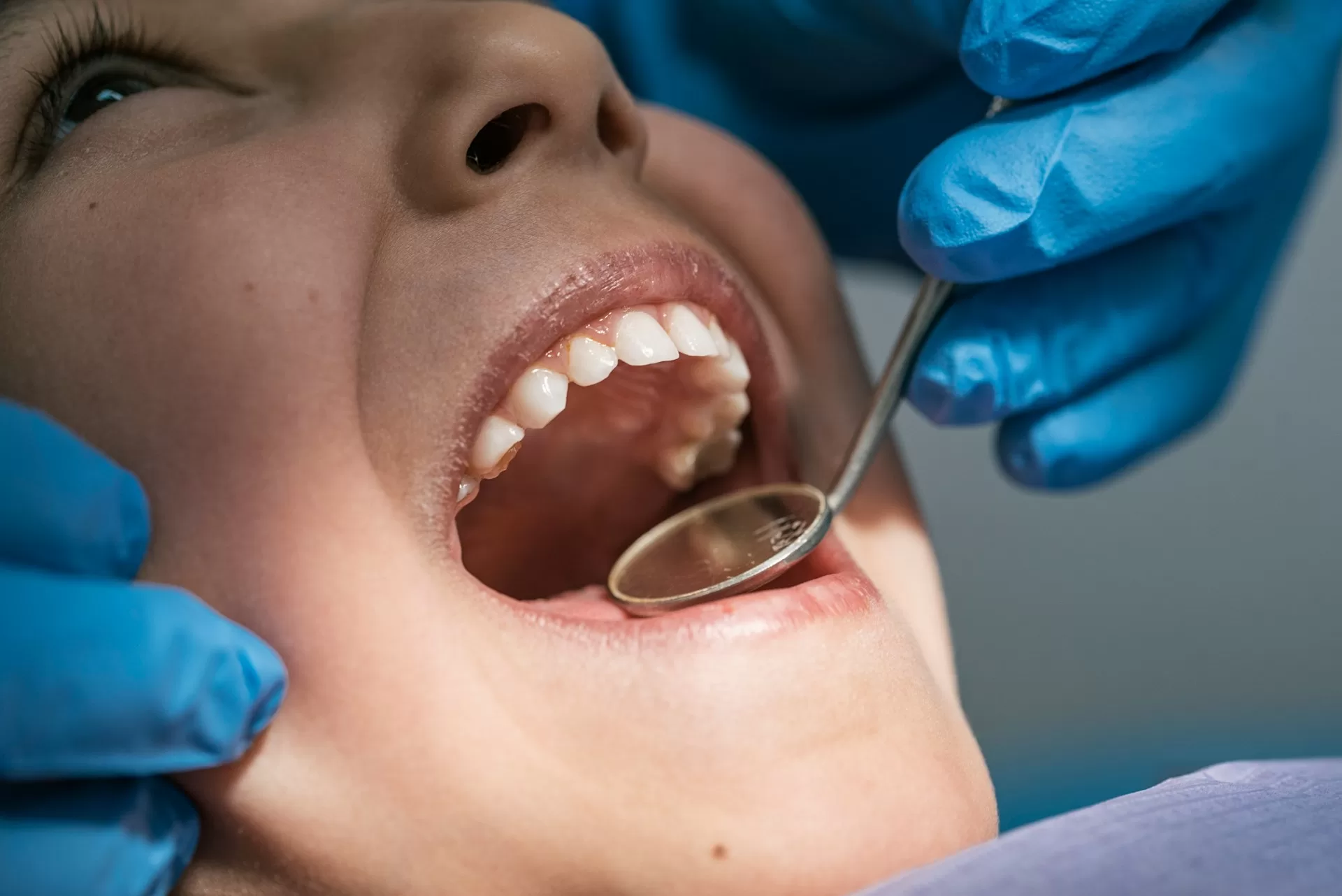
When a canine tooth does not erupt through the gums, it’s known as an impacted canine tooth, and it’s the second most common type of dental impaction, following wisdom teeth. These teeth are more involved than we assume because they guide your bite and balance your mouth. An untreated impacted canine tooth can lead to crowding, destruction of surrounding teeth, and, in extreme cases, even cysts.
In this blog, we will cover what happens when impacted canines are not treated and why the removal of impacted teeth is such an essential step for your oral health.
Understanding Impacted Canines
An impacted canine refers to a canine tooth that has not erupted into its rightful place in the dental arch. There are several reasons why this may occur. In some instances, the mouth is too crowded, and there simply isn’t enough room for it. Other times, some teeth are in the way, or the canine grows at an unusual angle that prevents it from erupting. Oftentimes, genetics also comes into play.
Upper canines, or cuspids, play a particularly significant role. They function as guideposts in your bite, assist in creating balance in your smile, and even provide support for the structure of your face. So, when a canine doesn’t erupt properly, it’s not something to disregard; it can be a consideration for both looks and functionality in the long run.
Why Ignoring an Impacted Canine Can Be Risky
Leaving an impacted canine alone may seem harmless at first, but it can escalate into serious problems over time. While the tooth remains lodged, it tends to displace other teeth, causing crowding and a changing bite. More alarmingly, the pressure can lead to root resorption, destroying the roots of surrounding teeth.
Neglecting to treat an impacted canine may cause irreversible harm to the neighboring teeth’s roots. There’s also a possibility of cysts or growths developing around the impacted area that may weaken the jawbone and gums with time. These problems over the years not only affect your smile but also undermine your overall oral health, making early treatment advisable.
Jaw Development and Facial Structure Changes
Canines are little teeth with an enormous responsibility. They don’t simply give your smile character; they also assist in shaping the form of your jaw and maintaining your dental arch strong and in balance.
If a canine fails to erupt as it should, that balance is disrupted. Eventually, you may find that one side of your face appears subtly different from the other, or the dental arch becomes narrowed or collapses in the space where the tooth used to be. These aren’t cosmetic changes alone. They will influence how comfortably you chew and bite, and also place added stress on the rest of your teeth. That’s why healthy canines are so vital for function as well as appearance.
How Impacted Canines Are Diagnosed
Early detection of an impacted canine tooth can save a great deal of trouble later. In kids and adolescents, dentists typically use panoramic X-rays or CBCT scans to see whether the canine is coming into its correct position.
This is why an orthodontic check between the ages of 11 and 13 is so beneficial. At this point, the tooth may be able to be guided into place with less treatment. If impacted much later, the tooth can already be stuck in a difficult spot. This complicates its treatment and may even include surgery at times. Early diagnosis not only preserves the alignment of the bite but also prevents the severe problems associated with delaying impacted tooth extraction.
Treatment Options: Why Impacted Tooth Removal or Exposure Matters
In treating an impacted canine, there is no one-size-fits-all solution. The best solution varies depending on the position of the tooth, available space, and the overall health of your smile.

Surgical Exposure and Orthodontic Traction
If a canine tooth becomes impacted early on and is favorably positioned, there’s usually some means of saving it. Surgical exposure involves the oral surgeon carefully exposing the tooth, and then the orthodontist uses braces or aligners to coax it into position. Visualize it as nudging the tooth in the correct direction. This functions optimally when there is sufficient space within the dental arch and the tooth is not too severely angled.
Impacted Tooth Removal
There are occasions, however, when saving the tooth simply isn’t possible. Perhaps it’s jammed into a tricky spot or poses danger to surrounding teeth. Sometimes, impacted tooth extraction is the best way to avoid further issues. Removing it keeps the rest of your smile intact and preserves bone and gum health.
What Happens if You Delay Treatment?
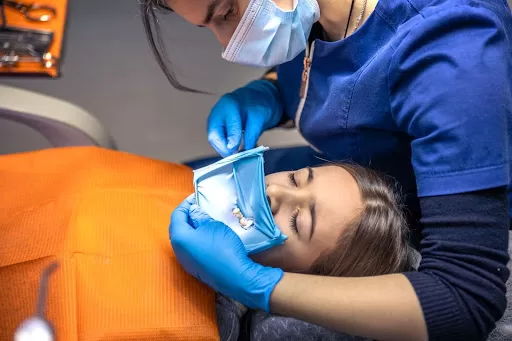
Postponing treatment of an impacted canine may not appear to be a concern initially, but the longer you delay, the more difficult it becomes to correct. If the tooth is not removed, it will push other teeth crooked, and this will result in longer, more challenging orthodontic treatment.
Permanent damage to the neighboring teeth’s roots is another risk that worsens. Delay in most cases results in bone loss, which can lead to bone grafts or more complicated jaw surgery in the future.
Otherwise, healing is more time-consuming and expensive. Postponing treatment of an impacted canine tooth usually leads to more complicated and more costly treatment in the future, and this is why early intervention is what makes all the difference.
Recovery and Long-Term Outcomes After Removal or Exposure
The rate at which you heal from impacted canine tooth surgery depends on the type of procedure. If the tooth is exposed and relocated, most individuals recover in a few days. An extraction can take a bit longer, particularly if the tooth was heavily impacted, but pain typically resolves within a week. In that time, simple things such as light brushing, saltwater rinses, and adhering to your surgeon’s advice diligently make a huge difference.
At Ridge Oral Surgery in New Jersey, we take care of you. Shortly after the treatment of the impacted tooth, your bite is stronger, your smile is more balanced, and your jaw remains healthier in the long term. With proper dental care, these outcomes aren’t temporary; they can last you a lifetime.
Ridge Oral Surgery’s Expertise in Impacted Canine Care
Understandably, you may be apprehensive about treating an impacted canine; however, you do not have to face this challenge by yourself.
At Ridge Oral Surgery, we take the time to understand your unique situation and utilize state-of-the-art imaging technology to carefully examine the conditions beneath the surface. We rely on minimally invasive techniques and frequently collaborate with orthodontists to design an effective and streamlined treatment plan.
Your comfort is our priority. If you are in Warren, Morristown, or Bridgewater, NJ, our team is here to help you have a healthier and more confident smile.