
Implant Failure: Common Causes and How to Prevent Them

Dental implants have an exceptional success rate, but understanding why failures occur and how to prevent them can make your treatment clearer and more predictable. This guide explains the early warning signs, the most common causes of implant failure, and the diagnostic and preventive steps that protect long-term outcomes. With the right planning and follow-through, implants can remain stable, healthy, and reliable for years to come.
Can You Get Dental Implants If You’ve Had a Jaw Fracture?

A past jaw fracture doesn’t automatically rule out implants it just means timing and planning matter more. This guide covers candidacy checks, CBCT imaging, grafts/hardware decisions, and immediate vs. early vs. delayed placement, plus what recovery looks like. Get a trauma-informed, predictably planned path to a full smile.
Bone Loss Due to Missing Teeth: When Should You Act?

Missing a tooth can lead to gradual bone loss, affecting both your smile and oral health. This blog covers the timeline of bone resorption, signs to watch for, and proactive steps you can take to preserve bone structure and ensure successful restorations.
Is Crown Lengthening a Necessary Procedure?

Crown lengthening is a common procedure that can restore both health and harmony to your smile. Whether it’s repairing a tooth fractured near the gumline or refining a “gummy” smile, the treatment creates the right balance of function and aesthetics. At Ridge Oral Surgery, we tailor every procedure to your needs ensuring comfort, precision, and naturally beautiful results.
Make Sure Your Child’s Smile Is Ready For School

As the school year begins, don’t forget one of the most important checklist items your child’s smile. A back-to-school dental checkup ensures your child starts the year pain-free, confident, and ready to learn. With the right habits and a trusted pediatric dental team, you can help them smile bright all year long.
Tips For Improving Your Smile’s Health

A healthy smile is more than just a good face; it’s a sign of overall health and self-confidence. To achieve a healthier and whiter smile, it’s essential to practice good oral hygiene habits, such as brushing twice daily with fluoride toothpaste, flossing, and rinsing regularly. Additionally, a balanced diet and lifestyle, along with professional care, can help maintain a bright and confident smile.
Helping Kids Avoid Cavities With Pediatric Dentistry

Pediatric dentistry plays a vital role in preventing cavities in children by focusing on early intervention and education. Regular dental check-ups help monitor growth, teach good oral habits, and prevent cavities. By starting early, parents can set their children up for a lifetime of healthy smiles and confident oral health.
Debunking 5 Oral Surgery Myths: Because No, You Don’t Always Bleed Out

Oral surgery isn’t as scary as you think! With modern anesthesia and techniques, procedures are designed to be comfortable and relatively painless. Most patients can resume normal activities within a few days, and complications are rare.
How to Speed Up Healing Naturally After Oral Surgery

Oral surgery doesn’t stop when you get out of the chair. Healing is where the hard work starts. Most of us expect that recovery is all about resting and taking it easy, but it’s not quite that simple. The foods you eat and how you treat your body are significant factors in how soon you […]
Socket Preservation: Keeping the Jaw Healthy After Extractions
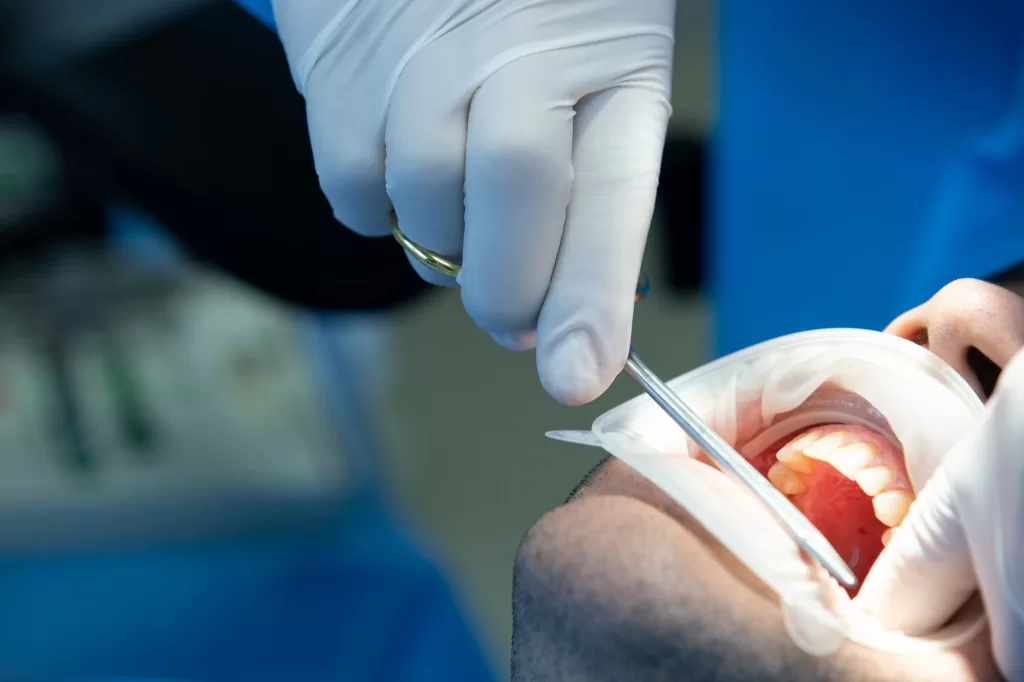
Socket preservation protects jawbone health after tooth extraction, ensuring stability for implants and long-term oral wellness.