
When to See an Oral Surgeon Instead of Your Regular Dentist
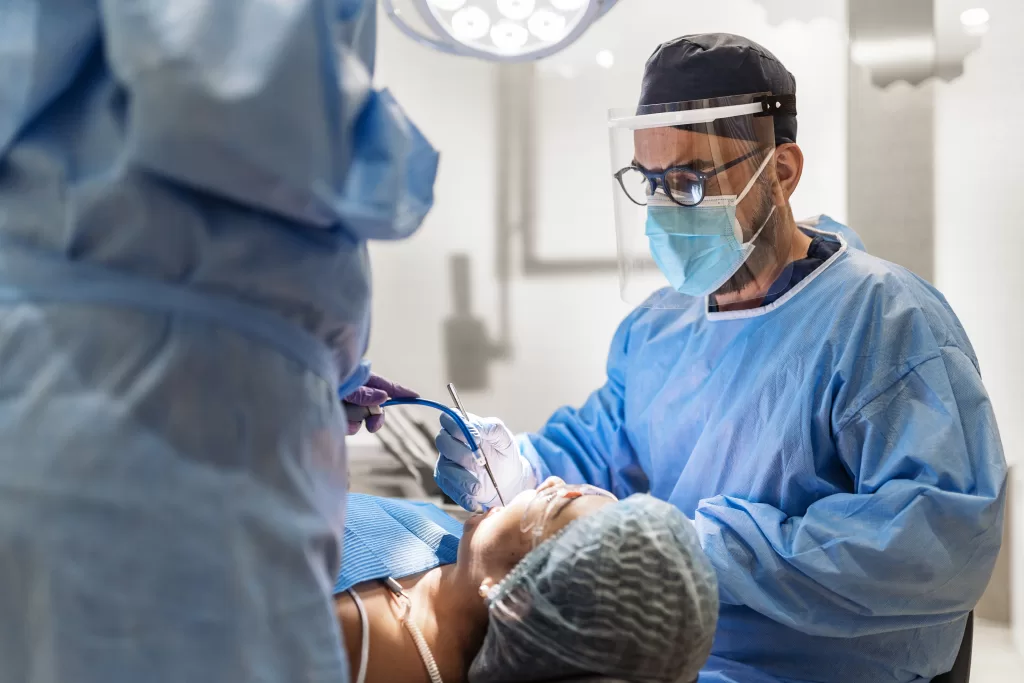
Most dental care starts with your regular dentist, but some situations call for specialized surgical expertise. From impacted wisdom teeth and dental implants to facial swelling, TMJ pain, or complex medical considerations, an oral surgeon is trained to manage higher-risk procedures safely and precisely. Knowing when to seek specialist care helps protect your comfort, recovery, and long-term oral health.
Jaw Bone Resorption After Extraction: Natural Timeline and Intervention Windows
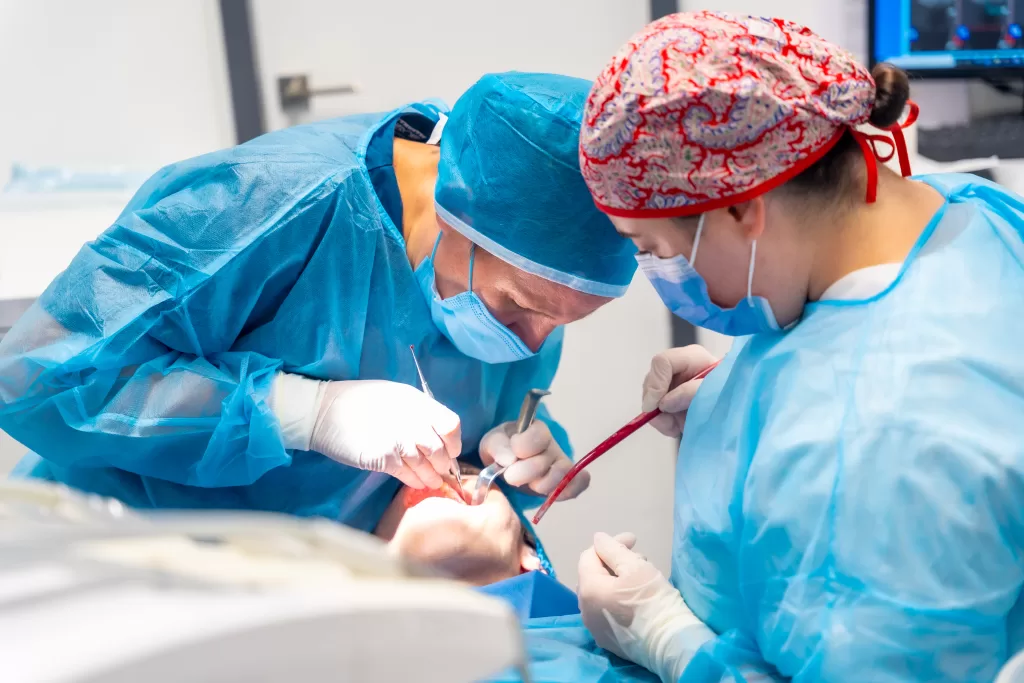
Jawbone resorption begins soon after a tooth extraction, often without noticeable symptoms, but it can affect future dental treatments if left unmanaged. This guide explains the natural healing timeline and highlights key intervention windows that help preserve bone and simplify implant planning. Learn how early action can protect both function and long-term oral health.
A Fresh Start for Your Smile: New Year Habits That Protect Your Jaw, Teeth, and Implants

A healthy smile starts with small, consistent habits that protect your jaw, teeth, and dental implants over time. This guide shares simple daily and weekly routines to support oral hygiene, reduce gum disease risk, and keep your smile strong all year long. A fresh start doesn’t require perfection—just habits you can maintain.
The Oral Health Reset: Dental Problems You Shouldn’t Delay in 2026
Start 2026 with a proactive dental health reset! Address early signs of gum disease, toothaches, broken fillings, and wisdom teeth issues before they become bigger problems. Learn what to watch out for and how early action leads to simpler, less costly treatments.
Wisdom Teeth Removal Over Winter Break: How to Plan Recovery Around Work, Workouts, and Travel

Winter break offers a rare opportunity to schedule wisdom teeth removal with minimal disruption to work, workouts, and travel plans. This guide outlines a realistic recovery timeline, how to plan time off and exercise safely, and what to consider when traveling after surgery. With the right preparation, wisdom teeth removal can fit smoothly into your break without derailing your routine.
Holiday Feasts and Dental Implants: A Safe Eating Guide for Christmas Dinners and Desserts

Enjoy Christmas dinners and desserts with confidence-even with dental implants-by making smart, stress-free food choices that match your stage of healing. From tender holiday roasts to festive sweets and drinks, this guide helps you savor every bite while keeping your implants safe, comfortable, and celebration-ready. 🎄🦷
Oral Surgery Considerations for Patients with Autoimmune Disorders

Autoimmune disorders can significantly influence healing, infection risk, and implant success in oral surgery. This guide explains how conditions like lupus, rheumatoid arthritis, and Sjögren’s syndrome affect surgical planning, anesthesia, and recovery. Learn how coordinated care and tailored surgical protocols help ensure safer, more predictable outcomes.
How to Choose Between a Specialist Oral Surgeon vs a General Dentist for Implants
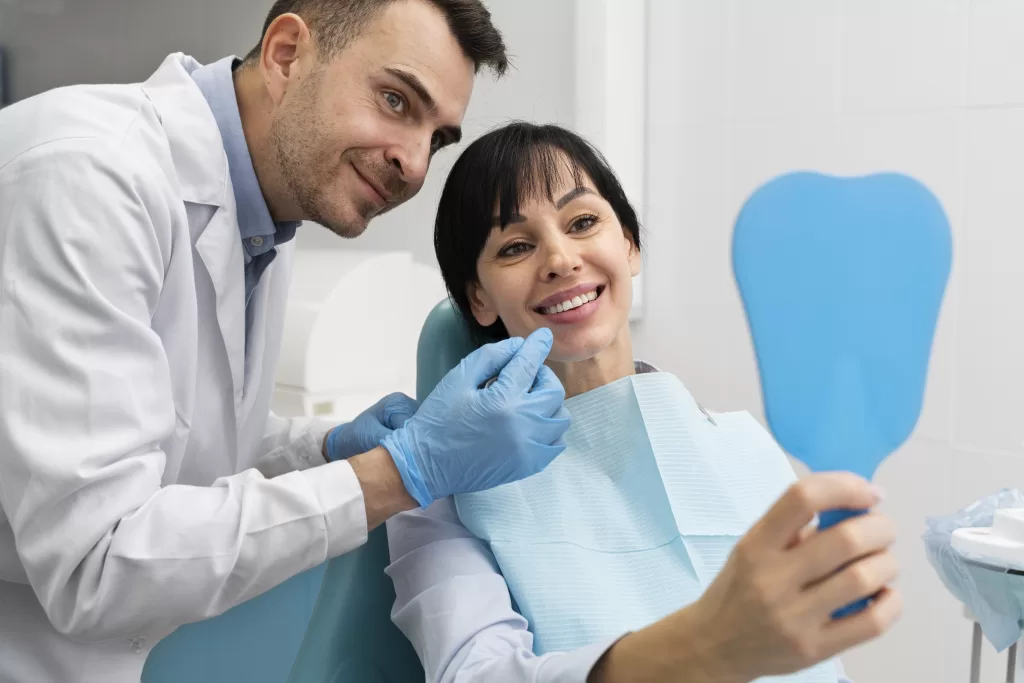
Choosing the right provider for dental implants affects comfort, safety, and long-term results. This guide compares oral surgeons and general dentists, covering training, case complexity, technology, and anesthesia to help you make an informed choice. Learn when a specialist provides more predictable outcomes versus when a general dentist can handle straightforward cases.
Implants and Aesthetics: How the Final Prosthesis Design Impacts Your Smile
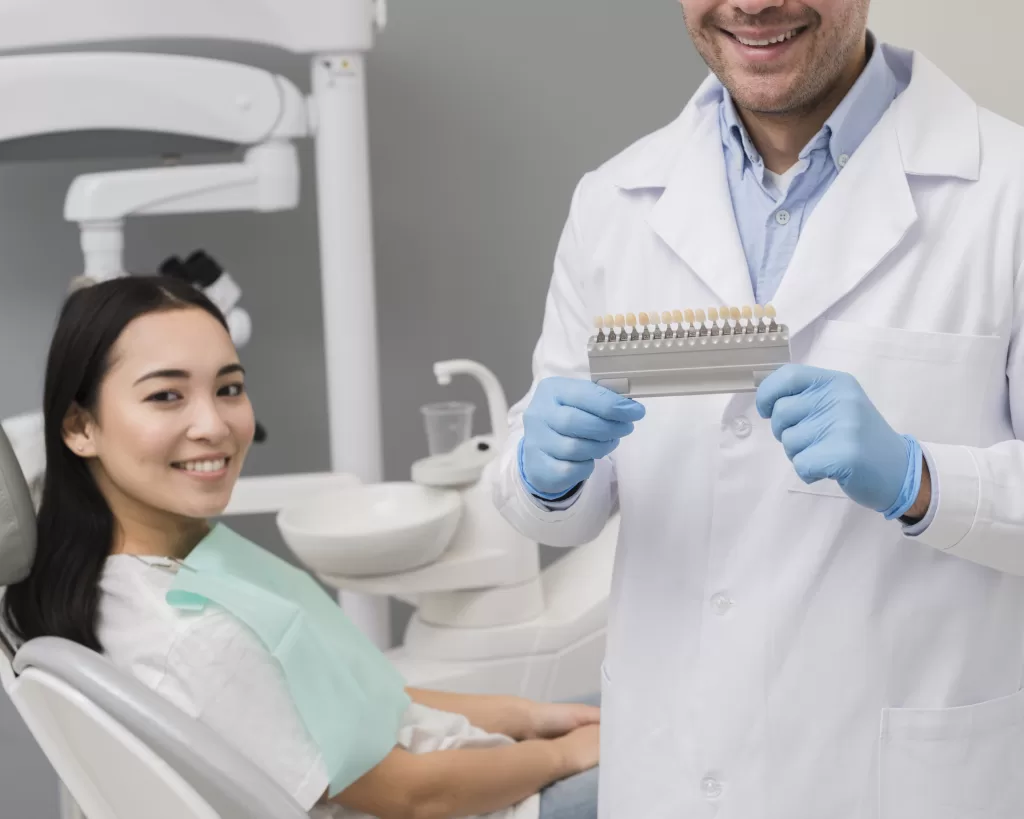
Dental implants are more than titanium posts—they are a harmony of design, tissue architecture, and material artistry. The final prosthesis determines how naturally your implant blends with your smile. Learn how advanced planning and precision execution transform your implant into a seamless, confident result.
How Hormonal Changes (Menopause, Pregnancy) Affect Bone and Implant Health
Hormonal shifts during pregnancy and menopause don’t just influence mood—they also impact bone strength, gum health, and how well dental implants heal. Understanding these connections helps ensure timing, diagnostics, and treatment planning stay safe and predictable. With the right approach, patients can maintain stable implant and bone health through every life stage.