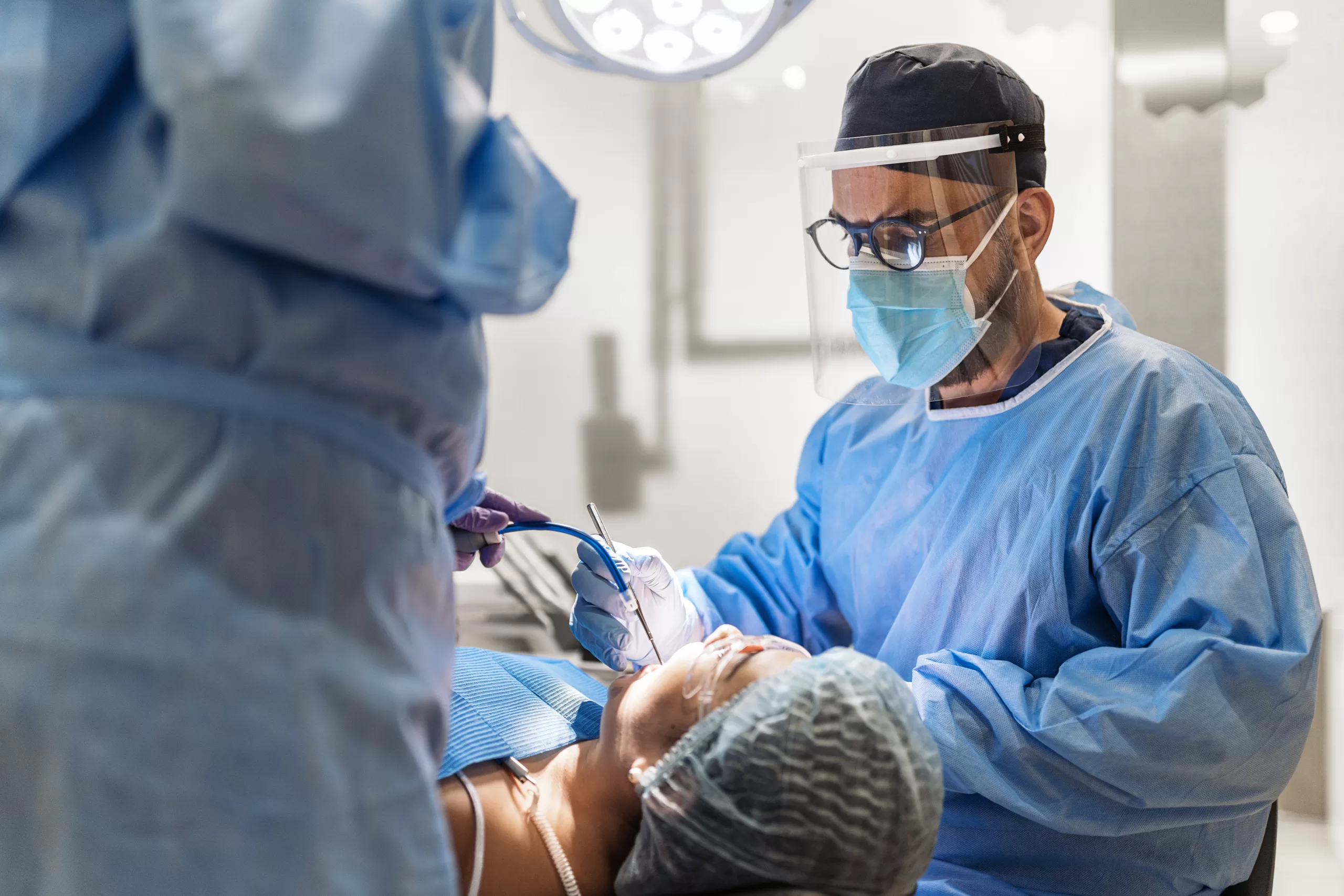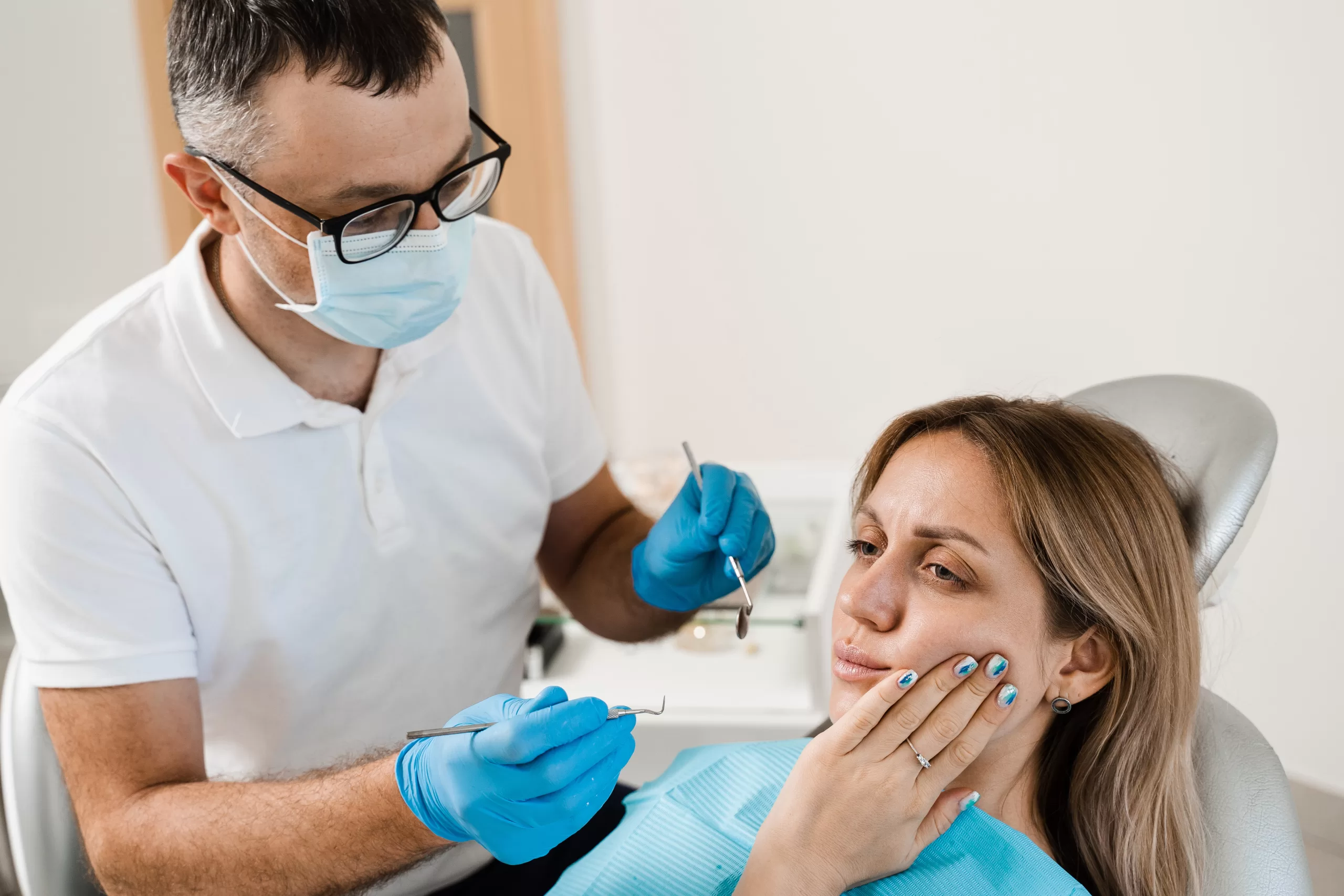
The pain in your jaw has a way of quietly reducing your life. Meals become smaller, sleep becomes lighter, and stress seems to seep in without invitation. If you are living with TMJ, you may have heard of Botox for it and wondered if the treatment might be the solution.
We want to be upfront from the start. This is not about quick fixes or one-size-fits-all answers, but about careful, patient first care. We walk patients through a step-by-step process, from home remedies and diagnosis to non-conservative treatments and injectables as needed.
Ridge Oral Surgery practices under the guidance of an experienced oral surgeon, including the available dental surgery options.
This blog will guide you through each step, what to expect, and how to make safe, confident treatment decisions.
What We’re Actually Treating When the Jaw Hurts
When your jaw hurts, it is rarely just one thing that is wrong. In most TMJ situations, several small triggers are building up. Clenching or grinding can overwork the muscles, while irritation, bite changes, stress, and sleep problems indirectly increase the pressure. This is why the symptoms are often overlapping. You may experience morning stiffness, headaches, ear pressure, clicking when opening, difficulty opening, or generalized facial pain.
The good news is this. For most patients, the solution begins with conservative treatment and a careful assessment, rather than jumping into aggressive treatment.
Where Botox For TMJ Fits In a Smart Care Path
When muscle-driven jaw pain persists despite basic treatments, Botox for TMJ may be incorporated into an intelligent treatment plan.
At Ridge Oral Surgery in New Jersey, we view Botox as a supplementary treatment, not a final resort. For the right patient, it may help relax overworked jaw muscles and end the cycle of clenching and pain. Relief usually comes gradually over a period of days to a few weeks, and it is only temporary, which is why it is best used in conjunction with habit modification, bite correction, and stress management.
Patients with high muscle tension, identifiable clenching patterns, and cyclical symptom flare-ups will usually see the most relief. We would slow down or approach things differently if there were an active infection, pregnancy, uncontrolled systemic disease, or if the diagnosis had not yet been determined.
Step 1: Start With Low-Risk, High-Return Basics
Before diving into more complex solutions, we like to begin with a few low-risk actions that can often make a big difference.
Reduce Muscle Load Daily
Daily activities have a much larger impact than most people realize. Try to maintain a loose resting position with your lips together and teeth apart. During flare episodes, avoid gum chewing, nail biting, and hard or sticky foods that require excessive jaw effort.
Heat, Cold, and Gentle Mobility
Warm compresses are excellent for relieving stiffness, while cold compresses can help reduce acute swelling. Gentle range-of-motion exercises may also be beneficial, provided they do not exacerbate pain.
Sleep and Stress Upgrades
Even simple changes, such as improved side-sleeping support, regular sleep times, and simple stress-reduction techniques, can help reduce nocturnal strain.
Please allow approximately two weeks for these fundamentals. If your symptoms persist or worsen, it is probably time to progress to a detailed analysis rather than trying to power through.
Step 2: Get the Diagnosis Right Before You Treat
Before doing anything, it is very helpful to have a clear understanding of what you are treating. Jaw pain associated with TMJ can be primarily caused by overactive muscles, irritated joints, or a combination of both, and the approach will differ depending on the cause.
A careful analysis involves much more than a quick glance. We will discuss your symptoms, gently examine your chewing muscles, observe your jaw motion, and assess your bite. Imaging studies are not always necessary, but may be helpful if the history suggests joint alterations. To better prepare, please bring along your notes regarding your symptoms, photos of any wearable appliances, a list of your medications, and information about your headache patterns.
Step 3: Conservative Therapies That Often Solve More Than You Think
Once we identify the source of the pain, many TMJ patients can experience significant improvement.
Night Guards and Appliance Therapy
A well-made night guard can help protect your teeth from damage and prevent negative overload patterns. Night guards vary in fit and design, which affects their comfort and effectiveness.
Physical Therapy and Myofascial Therapy
Trigger point therapy aims to address posture, jaw coordination, and trigger points to help the muscles function more harmoniously and with less pain.
Medication Guidance
In some instances, temporary anti-inflammatory assistance or strategic muscle relaxation may be helpful.
Bite and Dental Issues
Bite problems, missing teeth, or dental work can be quietly contributing and may require the attention of an experienced oral surgeon.
For many patients, these non-surgical approaches can resolve more than expected and may even render the need for Botox for TMJ unnecessary.
Step 4: What To Expect During Botox For TMJ Treatment
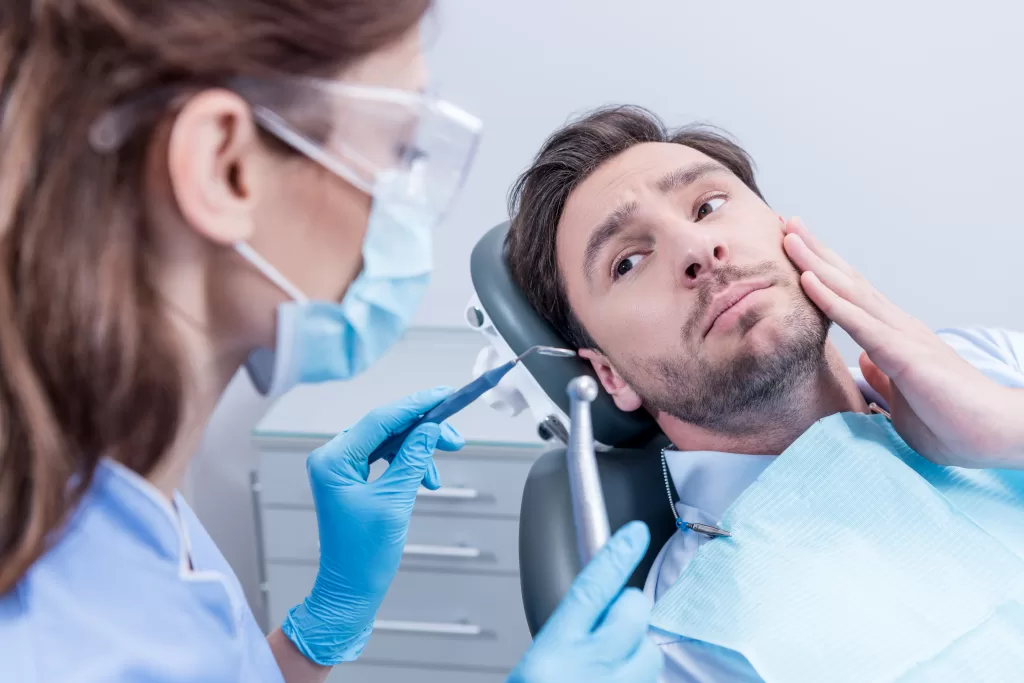
When it is finally time to think about Botox for TMJ, patients are often surprised at how easy and stress-free the process is. The treatment focuses on specific muscles based on your exam, typically the masseter and sometimes the temporalis, which are often the muscles causing TMJ pain. The process takes very little time, and the results build gradually over a period of days to weeks. Patients have often noticed that their jaw feels lighter, with less tension, fewer flare-ups, and less morning tightness. As the treatment is only temporary, the repeat interval depends on the patient and the treatment plan.
Side effects are usually minimal and may include temporary bruising, fatigue from chewing hard foods, or weakness if the treatment isn’t carefully individualized. To improve results, we recommend the treatment in conjunction with appliance therapy, behavior modification, and follow-through with an experienced oral surgeon.
Step 5: When You Need an Oral Surgeon on the Team
Sometimes, the presence of an oral surgeon is simply necessary. This type of surgery typically becomes a consideration when TMJ pain is more serious, such as when there is limited jaw movement, a history of trauma, a possible joint problem, or pain that persists despite conservative measures.
At this point, the expertise of an oral surgeon is simply a good thing. Advanced imaging analysis, planning, and expertise are only considered when they make sense. We take a thoughtful approach and never feel pressured to act quickly. Our goal is always to pick the least invasive course of action that will move us forward, while keeping comfort and jaw health in mind.
Special Considerations for Dental Surgery Warren Patients
If you are looking for dental surgery solutions in Warren, having a local option can be a huge advantage. This allows for easy follow-up care, appliance adjustments, and coordination with your general dentist. Such an arrangement also makes planning around life easier. Exercise, travel, and large events can all be worked into the mix so that recovery and follow-up care are manageable.
We often recommend that patients find a local option that can handle diagnostics, injection planning (such as Botox for TMJ), and next steps all in one place. Having all these services under one roof reduces stress and enhances the care experience, especially for chronic TMJ treatment.
How We Build a Step-By-Step Jaw Pain Plan
We create treatment plans for jaw pain in the same way we would like to be treated, simply and thoroughly, and never rushed. This begins with a good diagnosis and a conservative first strategy, with simple checkpoints to monitor progress for TMJ treatment.
Throughout the process, which is peaceful and straightforward, you are led by the team at Ridge Oral Surgery, with supportive guidance and no pressure to progress faster than you are ready.
If you are ready to proceed with a clear, confident plan, we encourage you to schedule an evaluation to map out the best way forward for your treatment.