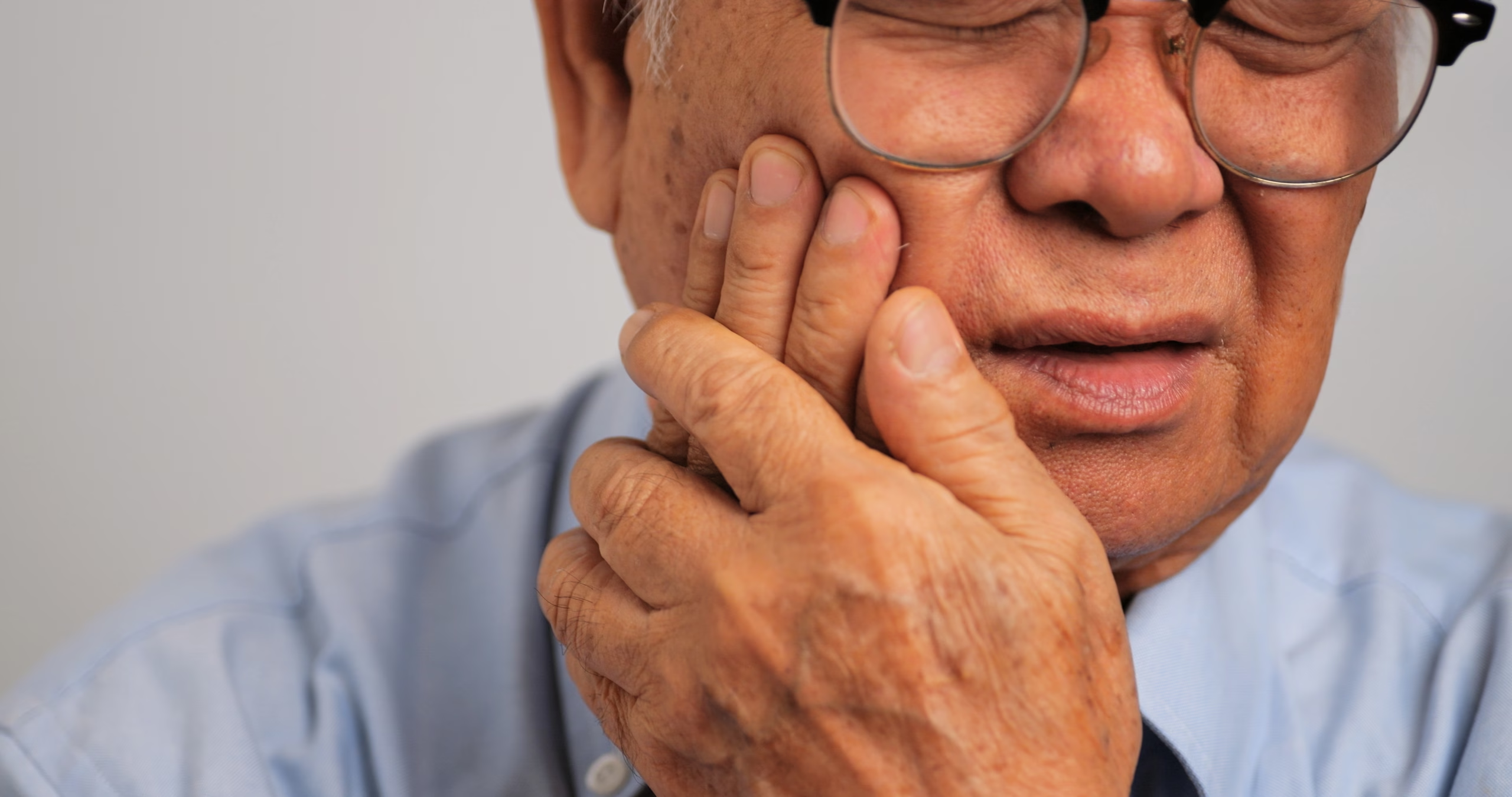
Jaw pain can be difficult to interpret. A patient may notice soreness around the ear, tension in the cheeks, or headaches and wonder whether the cause is stress, teeth grinding, a dental problem, or the jaw joint itself.
There is no single symptom that identifies the cause. Patients often use “TMJ” as shorthand for jaw-joint problems, but TMJ technically refers to the temporomandibular joint itself. Conditions affecting the joint and the surrounding chewing muscles are more accurately called temporomandibular disorders, or TMDs.
The right treatment starts with understanding where the pain is coming from.
TMJ Pain vs. General Jaw Pain: What Is the Difference?
The temporomandibular joints connect the lower jaw to the skull and allow the jaw to move during chewing, speaking, and opening the mouth.
Symptoms associated with the joint can include ear pain, stiffness, difficulty opening the mouth, painful clicking or popping, locking, and discomfort while chewing. A clicking sound without pain or restricted movement does not necessarily indicate a disorder.
The pattern matters. Pain, stiffness, or a change in jaw movement usually tells us more than an occasional sound by itself.
How Stress Can Affect the Jaw
Stress can contribute to prolonged jaw tension and clenching. Some patients notice that they hold their teeth together while working, driving, concentrating, or dealing with stressful situations. Others wake up with jaw soreness without realizing they were clenching during sleep.
Headaches around the temples and tenderness in the chewing muscles may also occur.
The important question is not simply whether you feel stressed. It is whether your jaw symptoms tend to appear during periods of clenching or increased muscle tension.
Bruxism and Jaw Pain: How They Are Connected
Bruxism refers to clenching or grinding the teeth while awake or asleep. Patients are not always aware that they do it.
Possible signs include flattened or worn teeth, fractured fillings or crowns, tooth sensitivity, morning jaw soreness, headaches, and tenderness in the masseter muscles. A bed partner may also notice grinding during sleep.
Because bruxism can affect both the chewing muscles and jaw joints, identifying the habit can help explain symptoms that might otherwise be attributed to the joint alone.
Teeth Grinding vs. Joint Pain: What the Symptoms May Tell You
Where the pain is and what it feels like can provide useful clues.
Muscle-related pain is often associated with tenderness in the cheeks or temples, particularly after periods of clenching. Joint-related symptoms may include painful clicking, stiffness, locking, or limited range of motion. A dental problem is more likely when there is temperature sensitivity, pain when biting on a specific tooth, swelling, or localized tooth pain.
Sinus problems can cause pressure around the upper jaw, while burning, shooting, or electric-like pain may have a nerve-related cause.
These patterns can point in a direction, but an examination is still needed to determine the likely cause.
Dental Problems That Can Cause Jaw Pain
Not all jaw pain originates from the temporomandibular joint. Deep tooth decay, a cracked tooth, an abscess, gum infection, an impacted wisdom tooth, or complications involving previous dental work can cause pain in the jaw or surrounding facial area.
Certain symptoms make a dental source more likely, including fever, swelling, drainage, a persistent bad taste, sensitivity to hot or cold, or pain when biting.
For that reason, evaluating the teeth and gums is an important part of assessing persistent jaw pain.
How Changes in Your Bite Can Affect the Jaw
Some patients notice jaw discomfort when their bite feels different, such as after dental work or as teeth shift. However, a change in the way the teeth meet does not automatically mean the bite is causing the problem.
A bite should not be altered simply because a patient has jaw pain. The first step is determining whether something has actually changed and whether that change is contributing to the symptoms.
When Jaw Pain Needs Prompt Evaluation
Some symptoms should be evaluated promptly rather than monitored at home. These include facial swelling, fever, significant tooth pain, drainage, numbness, sudden trauma, a jaw that becomes locked, or pain that is rapidly worsening.
Difficulty in breathing or swallowing can indicate a serious infection and requires immediate medical attention. Jaw pain accompanied by chest pressure or shortness of breath also warrants urgent medical evaluation.

How an Oral Surgeon Evaluates Jaw Pain
We begin by asking about the history and pattern of your symptoms.
- When did the pain start?
- Is it worse in the morning, while eating, or during periods of stress?
- Does the jaw click, lock, or feel restricted?
- Has there been recent dental treatment?
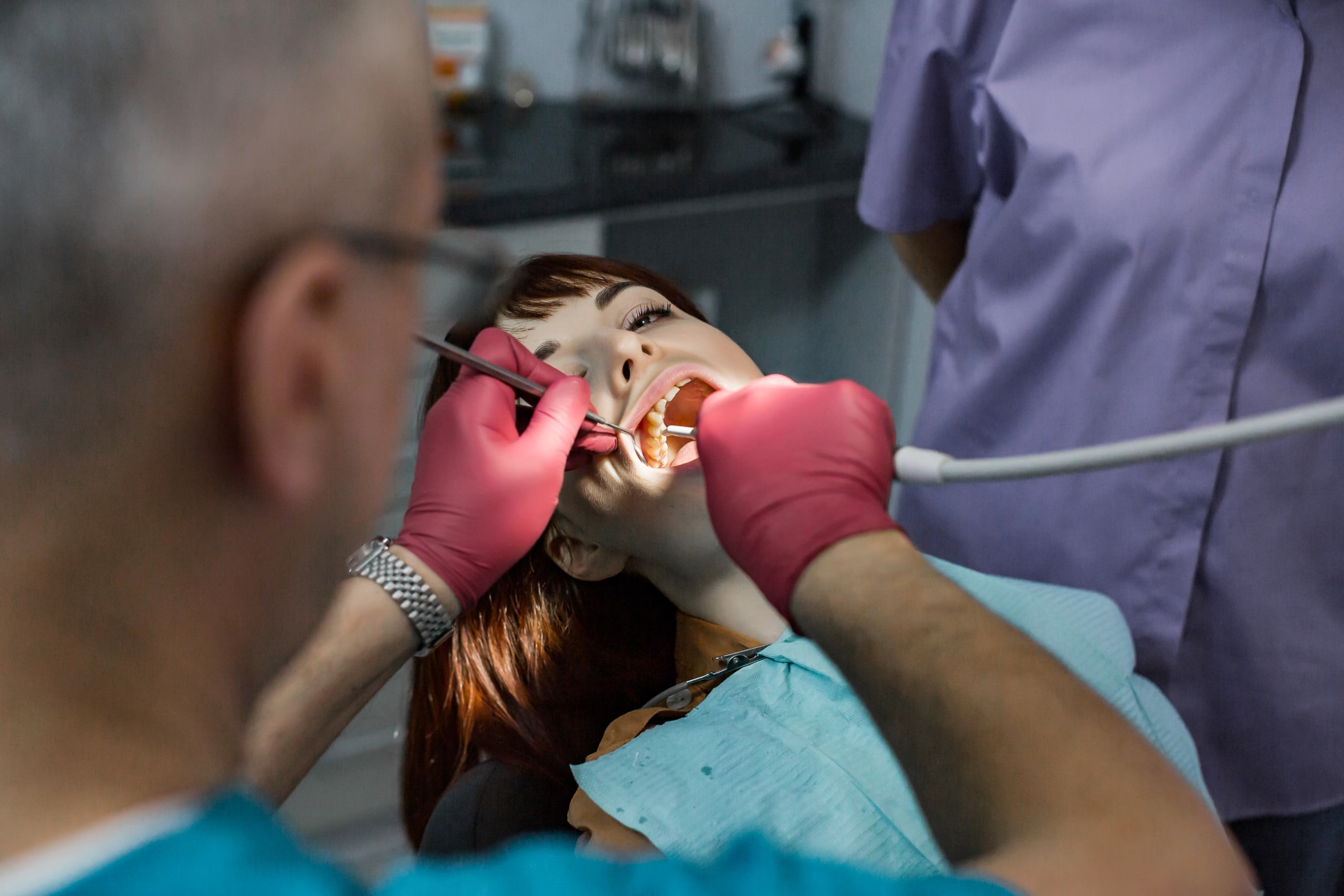
The examination includes jaw movement, the joints, chewing muscles, teeth, gums, and bite. We also review your medical and dental history, medications, sleep habits, and possible clenching or grinding.
Imaging may be recommended when the examination indicates the need for additional information.
A good evaluation should answer what may be causing the symptoms before a treatment is selected.
Treatment May Start Conservatively
Treatment depends on the underlying cause. For some patients, initial management may include temporary dietary changes, jaw rest, heat or cold therapy, avoiding gum chewing, medication guidance when appropriate, physical therapy, or an oral appliance.
The goal is to reduce strain on the jaw while addressing the factors that may be contributing to the pain.
More involved treatment may be considered when the diagnosis and examination findings support it.
Where Botox for TMJ May Fit
Some patients ask about Botox for TMJ when muscle tension, clenching, or tenderness in the chewing muscles are significant parts of their symptoms.
Botulinum toxin can reduce activity in overactive chewing muscles in some patients, but it does not treat every cause of jaw pain. It will not resolve a dental infection, repair a cracked tooth, or correct every structural problem involving the joint or bite.
For that reason, Botox for TMJ should be considered only after an appropriate evaluation and discussion of its potential benefits, limitations, risks, and alternatives.
FAQs
How do I know if jaw pain is from TMJ or stress?
Painful clicking, locking, stiffness, or limited opening may indicate a joint-related problem. Muscle tenderness, morning soreness, and headaches may be associated with clenching or stress.
Can bruxism cause jaw pain?
Yes. Bruxism can overwork the chewing muscles and contribute to jaw soreness, headaches, tooth wear, and joint symptoms.
Is teeth grinding always related to stress?
No. Teeth grinding may be associated with stress, sleep-related factors, medications, and other circumstances.
Does Botox for TMJ permanently resolve jaw pain?
No. It may help with selected muscle-related symptoms, but it does not address all causes of jaw pain.
When should I see a specialist?
Consider an evaluation if the pain persists or repeatedly returns, limits jaw movement, causes locking, interferes with chewing, or occurs with swelling, fever, numbness, or significant tooth pain.

How We Help Patients Find the Source of Jaw Pain
At Ridge Oral Surgery, we evaluate jaw pain by considering the joints, chewing muscles, teeth, gums, bite, medical history, and relevant imaging.
Our goal is to help identify what may be causing your symptoms before discussing treatment options.
If your jaw pain keeps returning or you are not sure what is causing it, schedule a consultation to discuss your symptoms and next steps.