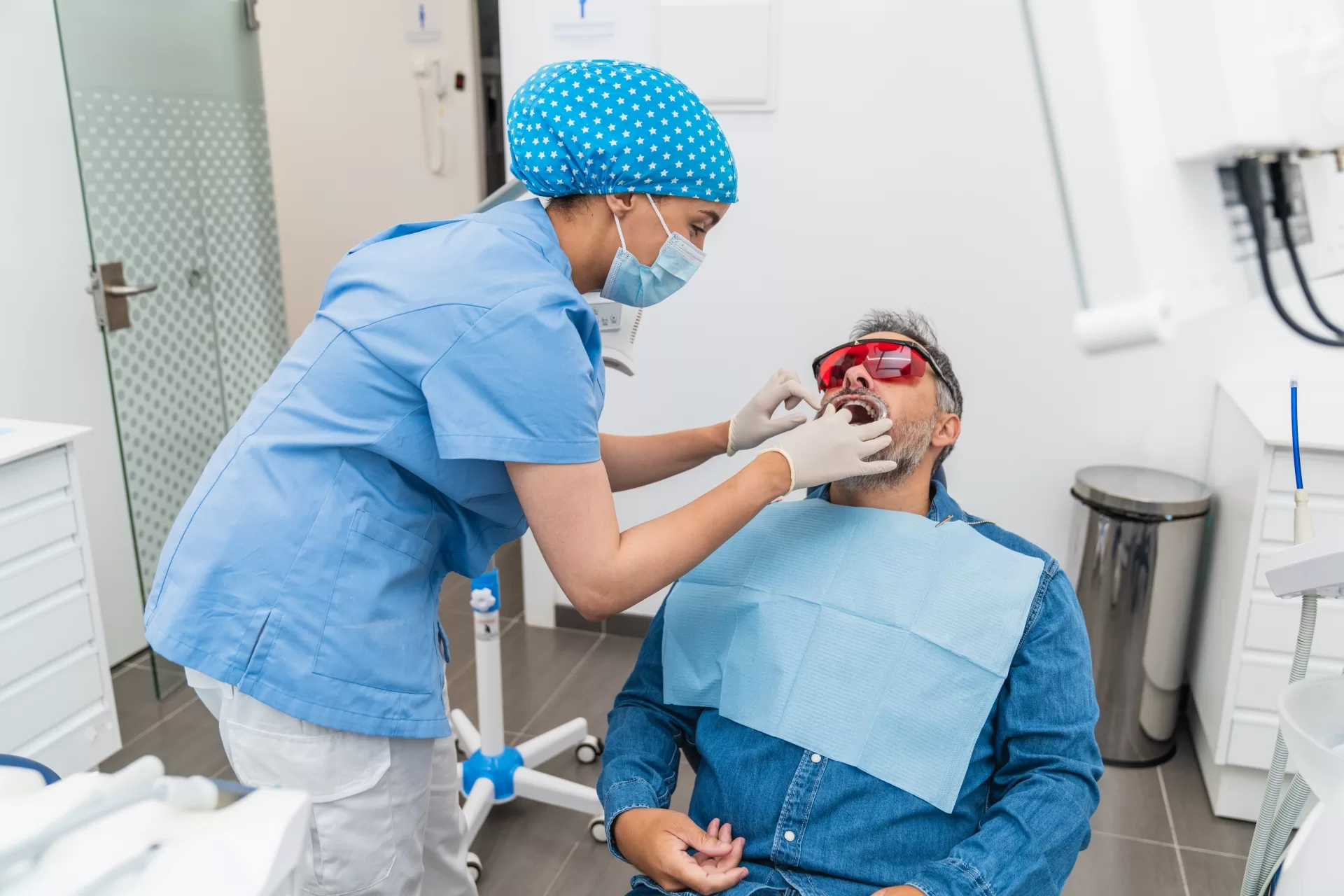
Most dental work begins with your dentist, and honestly, this is just the way it should be. These regular visits and preventive examinations do much of the heavy lifting in maintaining your healthy smile. However, there are times when a referral is necessary due to a situation that requires more extensive training, more advanced equipment, and specialized surgical expertise. This does not necessarily indicate a problem. Sometimes, it’s just the best approach to guarantee a safe course of therapy and a speedy recovery.
In this article, we will discuss when a referral is necessary, which procedures are best left to a specialist, and what to expect during a consultation. Understanding when to refer to an oral surgeon is one of the easiest ways to ensure that your comfort, time, and dental health are all protected.
Dentist vs. Oral Surgeon: What’s the Difference (In Plain English)
Your dentist is the person who takes care of your day-to-day dental needs and ensures everything runs smoothly. They are concerned with prevention, diagnosis, fillings, crowns, routine extractions, and long-term treatment plans. An oral surgeon is brought in when things become more complicated. Their training focuses on advanced oral surgery procedures, including surgical extractions, complex anatomy, bone grafting, implants, pathology, facial trauma, and sedation. This is a very important distinction because, when it comes to surgery, many variables are at play. A specialist has the training and expertise necessary to deal with these variables. They are equipped with advanced imaging capabilities, specialized techniques, and sedation options that ensure that the treatment is safe, controlled, and comfortable.
The Most Common Reasons Patients Are Referred for Oral Surgery
Many referrals occur sooner than patients expect, and this is usually by design. It is to address issues before they become something more complex. We frequently see referrals for complex extractions and impacted teeth, dental implants, grafting, infections with sudden swelling, TMJ pain related to jaw or TMJ issues, oral cysts or lesions requiring biopsies, and facial injuries or fractures.
These issues involve a certain amount of risk and require sensitive anatomy. An oral surgeon can work with you to provide better planning for oral surgery throughout the process. Oral surgery aims to provide clarity and consistency in treatment, particularly when complex anatomy or risk factors are involved.
Scenario #1: Impacted Wisdom Teeth or Difficult Extractions
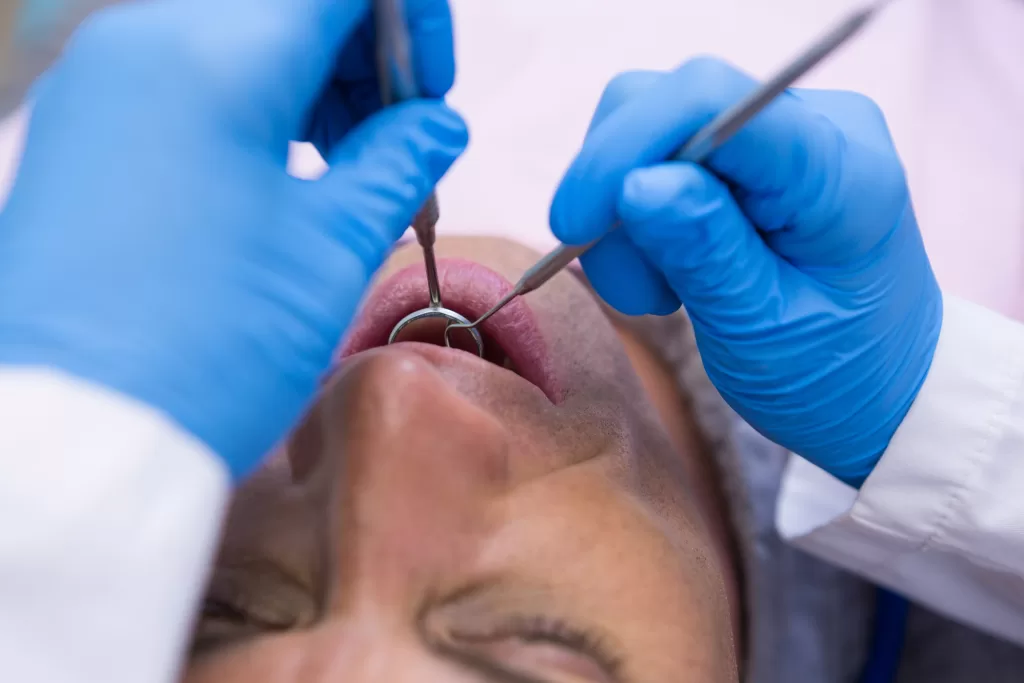
Some extractions are straightforward, while others require a little more planning. If the tooth is partially erupted, heavily impacted, has curved roots, or is close to a nerve or sinus, it’s no longer a quick extraction.
This is where an oral surgeon consultation really benefits you. With advanced training in oral surgery, a specialist can employ controlled techniques that are less invasive to the surrounding bone and tissue. At your consultation, we’ll discuss in-depth imaging, sedation choices, and recovery plans in advance. The aim is to make the process smoother and the recovery more predictable and well-supported.
Scenario #2: Dental Implants, Bone Grafting, and Site Preservation
Dental implants are more than a straightforward tooth replacement. They are about creating a foundation that will last for the long term. An oral surgeon is usually needed for cases involving bone loss, sinus lift, ridge defects, or socket grafting during the extraction procedure. In these cases, the planning involved in oral surgery is crucial. Advanced imaging is used for prosthetically driven implant placement.
Since we also work as a team, your oral surgeon will have the expertise in placing the implant foundation, while your dentist will finish the procedure by restoring the crown or bridge for a natural, confident look.
Scenario #3: Facial Swelling, Dental Abscess, or Signs of Spreading Infection
Swelling in the face is never to be dismissed, especially if it is progressive and associated with fever, difficulty swallowing, foul taste from drainage, or facial asymmetry. These are warning signs that the infection may be spreading.
In the case of such emergencies, a visit to an oral surgeon may be required. With advanced knowledge in oral surgery, the specialist is committed to controlling the infection and protecting the surrounding areas. These may include drainage of the infection, managing the source, and further follow-ups. Early treatment prevents serious complications and ensures predictable healing.
Scenario #4: TMJ Issues, Jaw Pain, or Limited Opening
Jaw pain may begin benignly and then go on to affect eating, speaking, or even sleeping. Initially, a dentist can provide relief from symptoms with a simple evaluation and bite guards. However, when pain persists, opening becomes difficult, the jaw locks, or if there is a history of trauma, it is time to take a second look. This is where an oral surgeon can be very beneficial. With advanced training in oral surgery, a specialist can evaluate the joint in greater detail, using advanced imaging to better understand what is occurring, and then propose specific treatment options when traditional measures are no longer effective.
Scenario #5: Cysts, Growths, or “Something That Doesn’t Look Right”
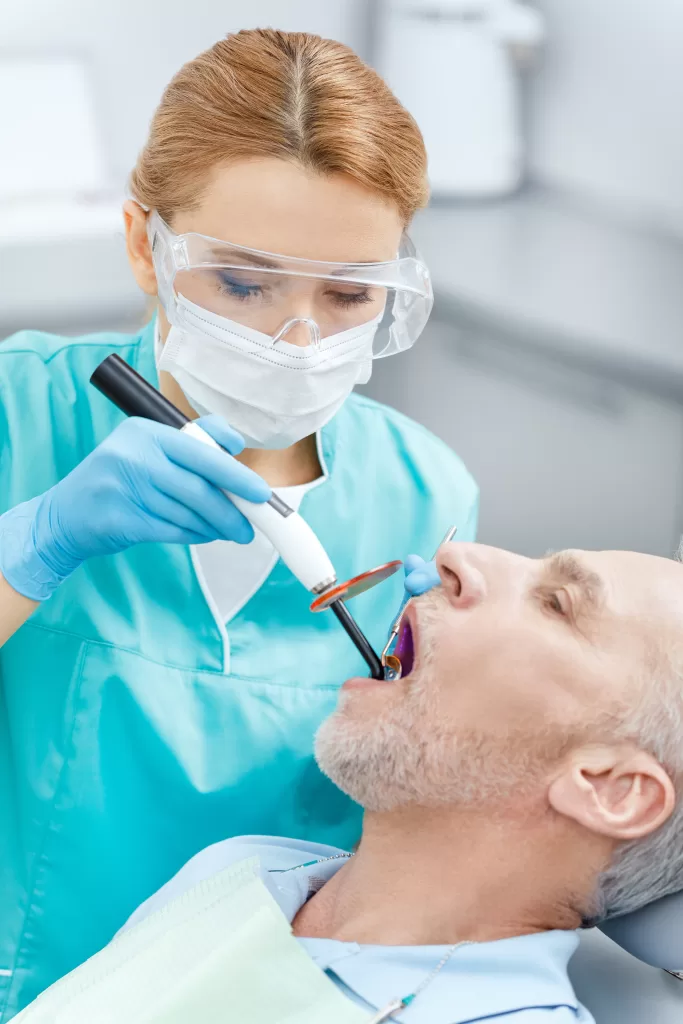
Most things that happen in the mouth are benign, so there is no need to worry. However, if something does not heal or if it just does not look right, it is a good idea to have it checked out. Cysts or other growths can be a sign to get a more thorough examination done. A trained oral surgeon can carefully examine these things. If necessary, oral surgeons can provide a simple biopsy and pathology examination, providing you with answers rather than questions.
Scenario #6: Sedation Needs, Dental Anxiety, or Medical Complexity
Some patients may require additional support to feel comfortable during treatment, and that is perfectly fine. High anxiety, gag sensitivity, or complex procedures make sedation a very useful option. Medical complexity is yet another factor. Considerations such as diabetes, sleep apnea, blood thinners, or immune system issues require careful planning. This is where an oral surgeon can make the treatment process feel more secure and predictable. With highly advanced oral surgery training and monitoring systems, specialized care is better equipped to handle these challenges. If you have anxiety or medical complexity, an oral surgeon can often give you safer sedation options and more reliable care.
A Quick Self-Check: Should You Ask for a Referral?
If you are trying to decide whether it is time to ask for a referral, a quick self-check can help you decide what to say. You may want to consider specialized care if you have an impacted tooth, a broken tooth at the gumline, or a tooth that is near a nerve or sinus. It is also the case if you have been advised about grafting or implants, have swelling, fever, or a bad taste in your mouth, or if you have jaw locking or limited opening. Medical conditions or medications that impact healing or bleeding are also important considerations.
Your dentist is still your guide, but an oral surgeon may be the best resource for more complicated needs.
What Happens at an Oral Surgery Consultation
An oral surgery consultation should be an enlightening and comforting experience, not a frightening one. The first step is to review the patient’s medical history, medications, symptoms, and previous dental procedures to form a comprehensive view. If required, specialized imaging studies, such as selective radiographs or cone beam computed tomography, are performed. Next, we will walk you through your options, timeline, recovery, and costs in clear, concise terms.
We also maintain close communication with your dentist to keep all the pieces working together. A good oral surgery consultation should leave you with a plan that sets realistic expectations and leaves no unanswered questions.
How We Support You and Your Dentist With Specialist-Level Care
We think specialist care should be calm, coordinated, and truly supportive. Our aim is always comfort first, with precise imaging and non-traumatic approaches to make treatment easier on your body. We also stress clear post-operative instructions and thoughtful follow-throughs so you never have to wonder about recovery. And, of course, we also coordinate very closely with your referring dentist to ensure your care remains smooth and seamless.
At Ridge Oral Surgery, we are dedicated to providing high-level oral surgeries with a personal and reassuring touch. Our goal is simple: protect your dental health with the right specialist care at the right time, without complicating your condition. The key is always the right level of care at the right time.
If you’re not sure what you need, schedule a consultation to determine if oral surgery is the right call for you.