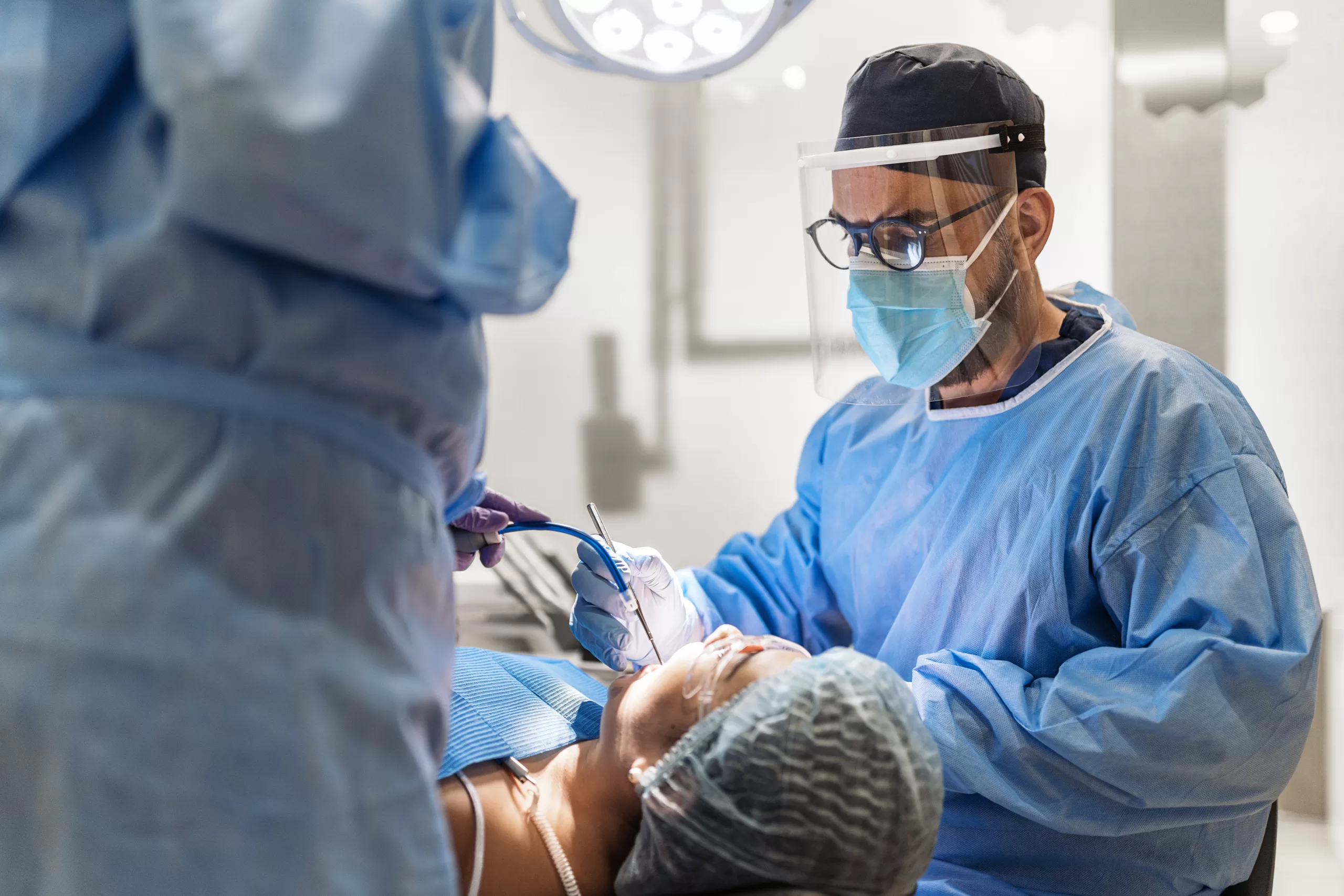
Modern implants have an extraordinary track record, and as much as we trust in their reliability, we equally acknowledge that success is never a given. That is why we like having this conversation early.
When an implant doesn’t heal as it should, it isn’t just a minor setback. It can affect how comfortably you chew, how confidently you smile, and even the time and cost you’ve invested in the process.
Understanding dental implant failure starts with knowing what ‘normal healing’ should look like. In this guide, we’ll walk you through the subtle signs you shouldn’t ignore, the most common causes of implant failure, and simple, effective steps for preventing implant failure so the entire journey feels clear, supported, and predictable.
Failure vs. Normal Healing: What’s the Difference?
A bit of soreness, mild swelling, or light bruising is completely expected in the first few days to weeks following the placement of an implant. Think of it as your body settling in.
What you don’t want to ignore are signs like worsening pain, swelling that won’t resolve, a bad taste, or any discharge, because these can point to early dental implant failure.
As the osseointegration phase progresses over the next few months, the implant should feel steady and secure. If it feels loose or sensitive when you bite, that’s a sign to pay attention to. The dental surgery clinic should focus on mobility, radiolucency on scans, and any suppuration, which often reveal underlying causes of implant failure that require timely preventive measures to protect long-term success.
Top Implant Failure Causes (And What They Look Like Early)
Various clinical and systemic factors may alter implants, and early recognition of these patterns may lead to timely intervention. Below are the most common areas that we evaluate:
Surgical Factors
Poor primary stability, overheating of the bone during preparation, or contamination of the surgical field can jeopardize early healing and usually present as persistent discomfort or delayed tissue response.
Restorative Factors
A variety of factors may cause local irritation of peri-implant tissues, including excessive occlusal load, a poorly designed emergence profile, or residual cement. The early signs usually include localized redness or discomfort during function.
Biological Factors
Peri-implantitis, inadequate bone quality or quantity, and a history of periodontal disease are factors that undermine integration and increase the risk of dental implant failure.
Systemic and Lifestyle Factors
Uncontrolled diabetes, immunosuppression, and smoking are some of the factors that slow healing and heighten the risk of implant failure, thus making consistent implant failure prevention strategies necessary.
It’s imperative to listen to the directives of your surgical team.
Early Warning Signs You Should Never Ignore
While certain changes following implant placement are to be expected, other symptoms should be addressed more promptly.
If pain persists beyond the usual healing phase or swelling increases instead of settling, it is worth contacting. A small pimple-like spot or fistula, bleeding upon cleaning the area, or pus on gentle probing would indicate that closer evaluation of the tissues is required. Deep-pocket formation around the implant is one of the early signs of dental implant failure.
It is also useful to know the difference between a loose abutment and true implant mobility. The former is usually readily corrected, while any movement of the implant itself is a more serious issue. When in doubt, calling promptly is always the safer choice.
Diagnostics That Save Implants
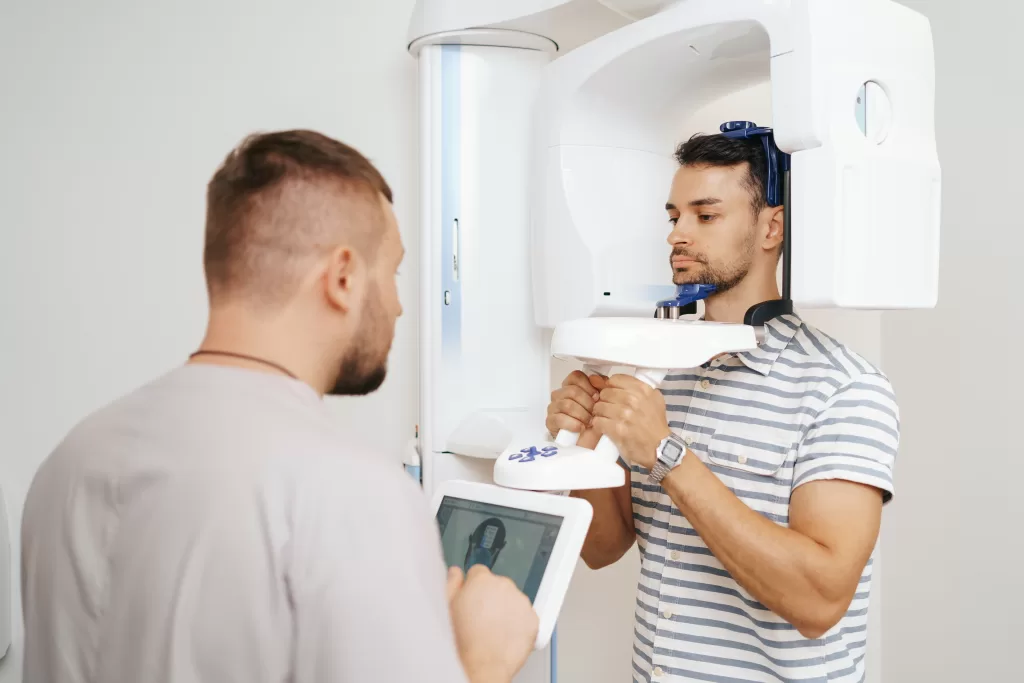
The right diagnostics can make all the difference when an implant is not healing as it should. We always start with baseline records, such as insertion torque and ISQ readings, because they provide early indicators of dental implant failure.
For imaging studies, at the Ridge Oral Surgery in New Jersey, we refer to periapical X-rays when a cursory assessment will suffice, and to CBCT when details regarding crater defects or dehiscence are essential.
If we suspect peri-implant disease, microbiologic testing and risk profiling will help us understand the underlying causes of implant failure and guide the next steps. Based on this information, we decide whether decontamination and regeneration can support strong implant failure prevention or whether removing the implant and planning a healthier re-treatment will yield the most predictable long-term result.
Implant Failure Prevention Checklist (What Actually Works)
Strong outcomes begin with thoughtful planning and consistent follow-through. Here is what reliably protects an implant at every step.
Pre-surgical
CBCT-guided planning gives us a clear view of the bone and helps us avoid surprises. Grafting to correct width or height creates a stronger foundation, and managing systemic risks like diabetes or smoking improves predictability.
Surgical
Atraumatic drilling with plenty of irrigation protects the bone. Forming a strategy for primary stability with proper site development contributes to healthy early healing.
Prosthetic
Balanced occlusion, using a nightguard when needed, choosing screw-retained restorations when possible, and following a strict cement-control protocol, reduces irritation and maintains stability.
Home Care and Maintenance
Personalized hygiene routines, interdental brushes, and regular professional maintenance schedules work together to prevent long-term implant failure.
With diligent planning and follow-up appointments, your implant surgery can be a success.
Special Situations That Raise Risk
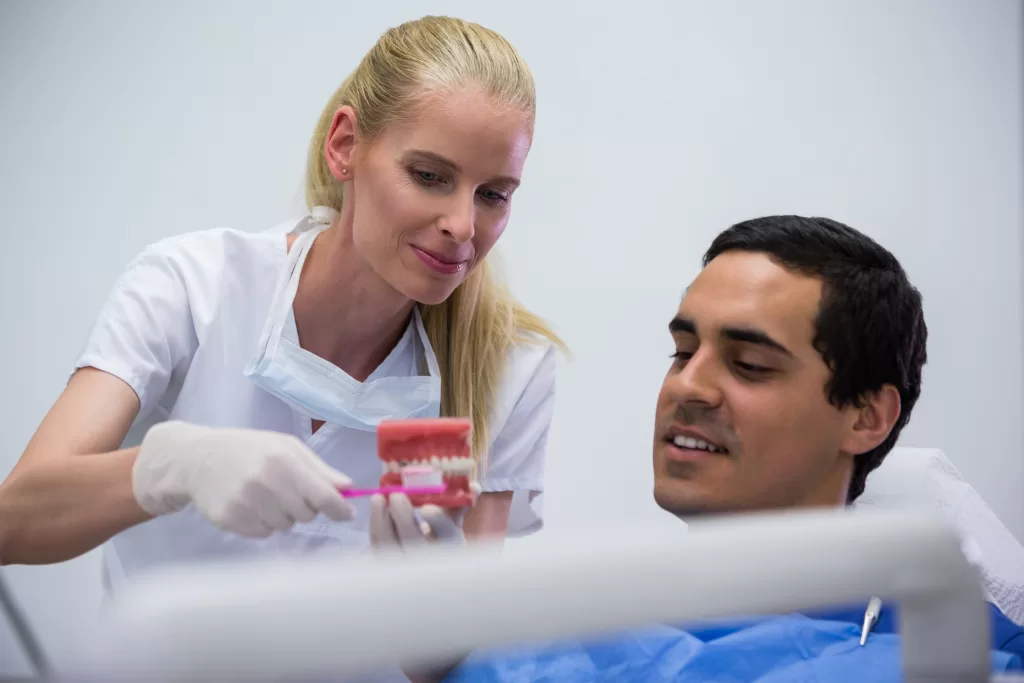
Some implant situations just need a little more care, and knowing this beforehand makes the process easier. Immediate implants in infected areas can be successfully done, but only when the infection is entirely under control. If not, it usually makes more sense to stage the treatment. The posterior maxilla can also be a bit tricky because the bone in this area is softer and close to the sinus, which is why, at times, sinus elevation is recommended.
Heavy grinding or clenching patients require thoughtful load management, usually with reinforced restorations or a nightguard. Similarly, full-arch cases are carefully planned with a balanced load distribution, multi-implant splinting, and a design that facilitates easy daily hygiene.
If an Implant Fails, What’s the Smart Next Step?
The priority when an implant is not healing as desired is to allow the tissues to settle and remove whatever is causing the problem, whether it is biofilm, excess pressure, or inflammation.
We also ensure the protection of the nearby teeth and implants. If removal is indicated as the better option, we thoroughly clean the socket and rebuild the area using staged bone regeneration to support a future implant.
The timing of implant placement depends on the site’s healing. Some sites are ready sooner, while others require additional time for graft maturation. A prompt, evidence-based response minimizes the effects of dental implant failure and maximizes the success of re-treatment.
Our Protocol for Predictable Outcomes
We want each implant to be as predictable and stress-free as possible, which is why our process is built around clarity and precision. First, we use guided surgery to put the implant precisely where it needs to be. Then we check stability using measurable targets to ensure the foundation is strong. Photos and radiographs at each step help us track healing with confidence. We also work closely with your restorative dentist to ensure the bite is calibrated adequately at delivery.
We adopt a systematic maintenance regimen after placement, including risk-based recall intervals and close peri-implant monitoring. Advanced imaging and prevention-centered workflow guide every decision at our practice. Our prevention-first approach emphasizes implant failure prevention from planning to long-term maintenance.
Book your appointment at the Ridge Oral Surgery clinic today!