A missing tooth affects more than your smile. It can quietly alter the shape of your jawline, the sensation of your bite, and even your long-term oral health.
The bone beneath a lost tooth slowly begins to shrink, which, over time, can impact how you chew, speak, and appear. Your jawbone plays a crucial role in maintaining facial balance and supporting future restorations, such as dental implants.
This blog explores what really happens after tooth loss, the signs and symptoms to look out for, and how you can protect your bone health before it’s too late. Understanding bone resorption after tooth loss helps you decide when to act, not when it’s too late.
What Actually Happens to Your Jaw After a Tooth Is Lost
A missing tooth takes away the natural chewing pressure from your jawbone. Those gentle forces, acting across the root of the tooth, kept the bone strong and active. Without that stimulation, the bone around the vacant area starts to shrink. It typically first thins out on the outer side before it begins to lose height.
Changes may not be immediately apparent, but they can affect appearance and function over time. Front teeth show changes faster because they frame your smile, while molars near the sinus area handle heavier forces of a bite and face deeper shifts.
The Timeline: How Fast Does Bone Change?
Changes in the bone begin much earlier than one may imagine. Within the first three to six months following the loss of a tooth, the jawbone starts to shrink in its effort to adapt to the now missing root. The process then slows down, at times after six to twelve months, but does not eventually come to a halt, and you start to notice subtle changes in the gum or soft tissues.
Over time, this gradual loss can make your jawline appear thinner and affect the fit of dentures, as well as your overall facial profile. If you wait too long, implants or bridges will be far more challenging to place. Acting within the first months can help prevent jawbone loss that complicates implants later, keeping your smile and facial structure strong and natural-looking.
Signs You’re Losing Bone and Why It Matters
One of the first things people notice with bone resorption after tooth loss is that their bite starts to feel different.
Dentures or partial dentures don’t fit like they used to, food gets stuck more frequently, and the adjacent teeth begin to shift. You may even notice subtle changes in your face, such as reduced lip support or a slightly sunken appearance around your mouth.
These changes can put additional stress on the jaw joints, lead to uneven wear, and may cause your muscles to tire during chewing. Recognizing the early warning signs can help you avoid jawbone loss and safeguard your comfort and appearance.
Diagnosis: How We Measure Bone Quality and Volume
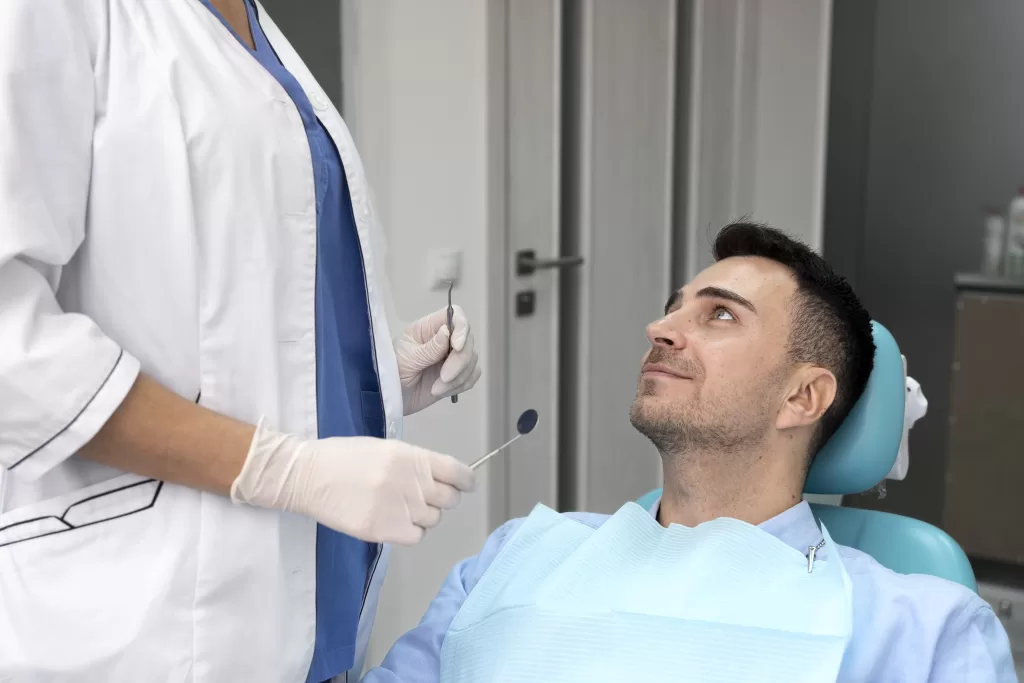
Detailed clinical examination and periodontal charting are the starting points of treatment to understand the condition of the gum and the amount of bone that has changed.
Imaging plays a key role here: while periapical and panoramic X-rays provide a broader view, 3D scans offer detailed information about bone density and structure. CBCT mapping clarifies the extent of bone resorption following tooth loss and guides predictable grafting, enabling us to plan the most effective approach with precision.
At the Ridge Oral Surgery in New Jersey, we also continue to work in close collaboration with your restorative dentist in designing the best long-term solution, whether it’s an implant, bridge, or overdenture. This comprehensive assessment ensures that every step in your treatment will not only restore function but also help you achieve a very natural, confident smile.
The Window to Act: Immediate vs. Delayed Options
Timing really makes all the difference in safeguarding your jawbone. Acting promptly at the time a tooth is removed provides us with the best opportunity to preserve the bone with a socket graft and protective membrane.
In some cases, we can even immediately place an implant if your anatomy allows for it. We can perform ridge preservation or minor bone augmentation during the early window, typically within the first six months, to help maintain the bone volume before significant shrinkage occurs.
After six to twelve months, or longer, guided bone regeneration, sinus lifts in the upper jaw, or block grafts for larger defects may be required. The bone condition, smile zone, health, and restoration desired will determine your final choice.
Proven Ways to Protect and Rebuild the Ridge
There are several effective ways to protect and rebuild your jaw ridge after losing a tooth. The most common include socket preservation, wherein bone graft materials like allografts, xenografts, or synthetic membranes, together with healing boosters called biologics, are used.
For missing upper molars, a sinus lift may be required to restore bone height, either by way of a lateral or crestal approach, depending on your anatomy. If the width of the bone is not adequate, either a ridge split or expansion can be performed to make sufficient room for a future implant.
Timing also plays a crucial role, whether the implant is to be placed immediately or after the patient has healed. These interventions are designed to prevent jawbone loss while setting the stage for stable implants or bridges.
Costs, Recovery, and What Results to Expect
The cost of treatment depends on several factors, including the number of sites requiring care, the type of graft material used, whether membranes or biologics are employed, and the type of anesthesia chosen.
Most people experience only mild soreness for three to seven days, and the graft usually takes about three to six months to mature before an implant can be placed. Once healing is complete, you will notice improved facial support, easier cleaning, and more long-lasting results. That alone will make the investment well worth it, because preventing jawbone loss not only protects your appearance but also ensures stronger, more predictable results for implants or bridges in the future.
Our Approach to Timely Intervention
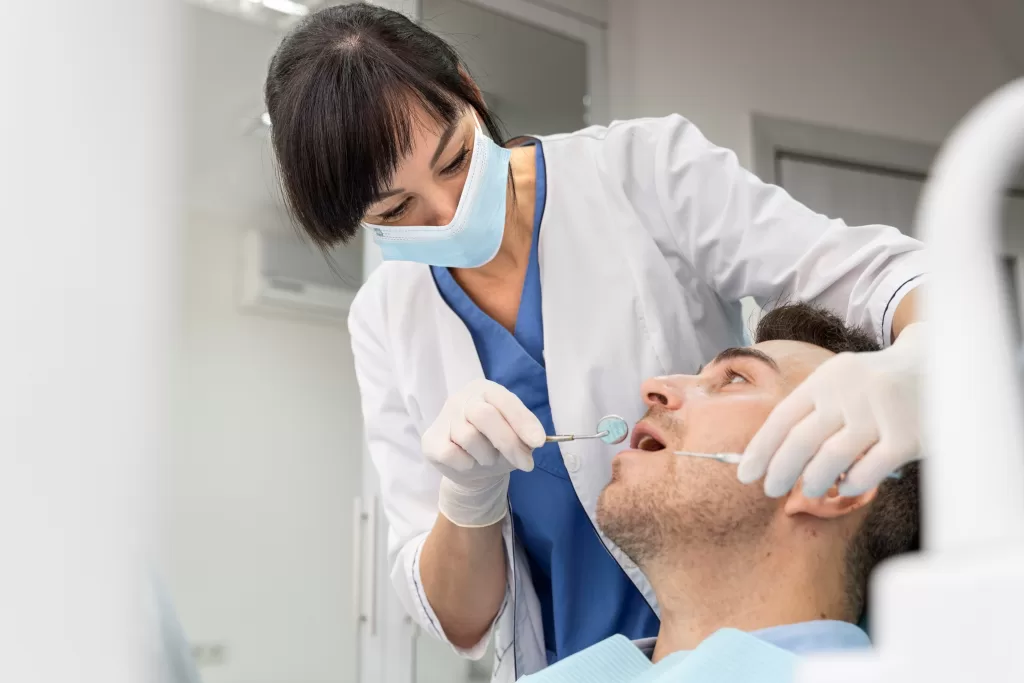
Working closely with your restorative dentist, we utilize precise CBCT-guided measurements and provide clear timelines, ensuring you always know what is next. Our techniques are designed to be gentle in maintaining your natural gum shape and papillae, especially in visible smile areas.
Our priority is to prevent jawbone loss with a plan that preserves both function and aesthetics, while also maintaining future options.
If you have lost a tooth or are planning an extraction, now is the best time to explore options. Schedule an evaluation with our team today!