A tooth extraction not only causes a gap in your grin, but also leaves an open gap in your jaw, which must heal properly. If the bone surrounding that space isn’t anchored, it can start to recede and alter the shape of your jaw eventually. That’s why preserving the socket is so critical. It’s a process that assists in the preservation of your bone structure and keeps the support base of your smile intact following an extraction.
In this post, we are going to discuss why socket preservation is essential, how it works, and how it can minimize the risk of complications such as bone loss or even dry socket with a bone graft. Socket preservation keeps your jawbone healthy and provides improved results for future dental implants or bridges.
What Happens to the Jaw After an Extraction?
When a tooth is removed, your body immediately starts repairing it. A clot of blood is created in the vacant space, and the gum gradually starts closing over it. On the surface, everything seems to be just fine, but deep inside the jaw, the problems do not cease to exist. Since the tooth is no longer there to support it, the surrounding bone has little incentive to stay strong and starts to resorb.
Research indicates that close to 50 percent of the bone in the affected region may be lost in the first year. Such a change not only affects the look of your smile but also makes it difficult for future procedures like implants and dentures. Long-term dental health is ensured by maintaining the bone in its early stages.
Understanding Socket Preservation

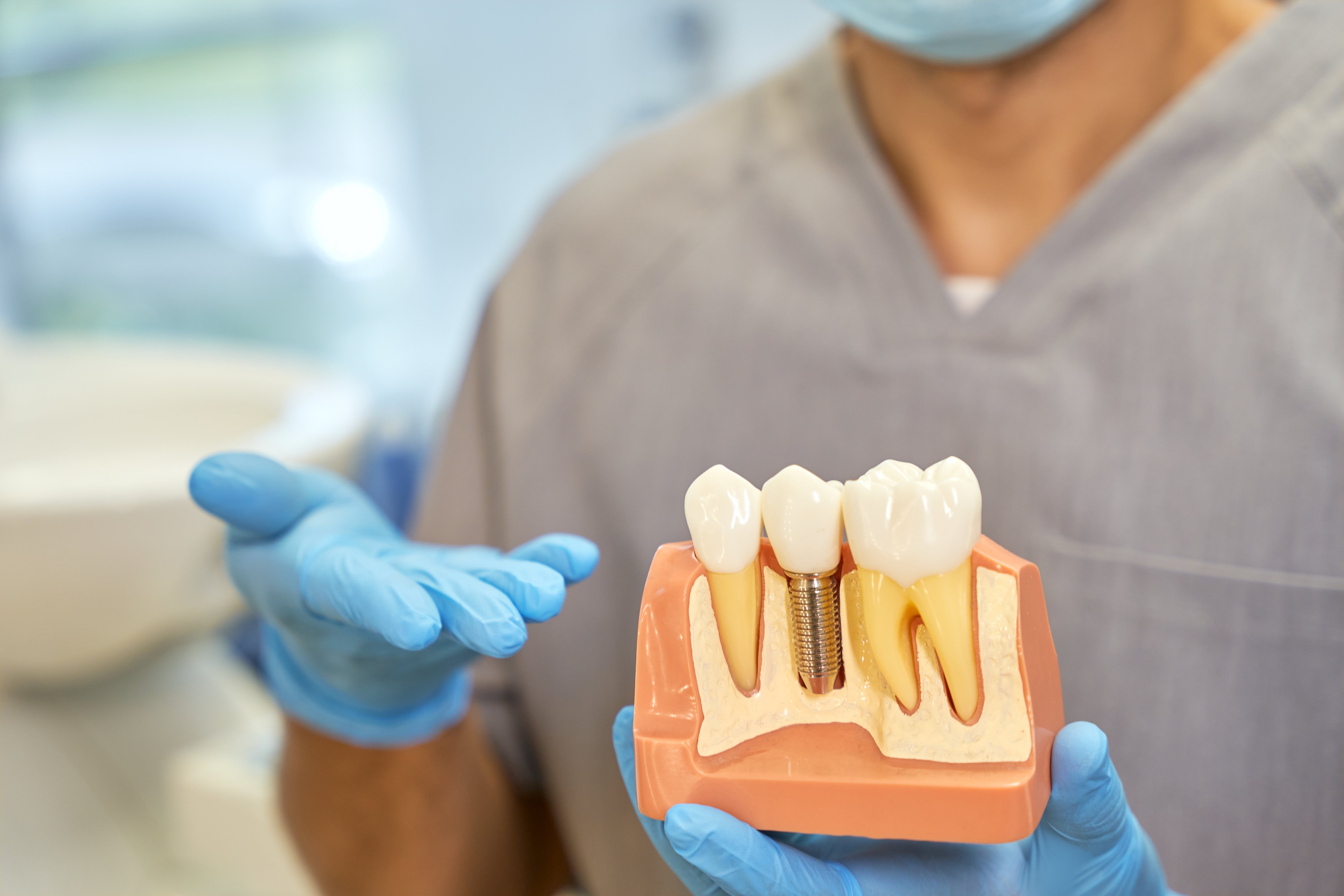
A surgical technique called socket preservation is used to preserve the bone immediately following tooth extraction. Bone grafting material is immediately inserted into the empty socket after removal. The material may be from various sources, including human-donated bone (allografts), animal tissues (xenografts), artificial substitutes, or even bone from the patient (autogenous grafts). The affected area is then covered with a layer of collagen membrane after insertion, which protects the area and helps in proper healing.
The aim of this technique is to preserve the ridge height, density, and general jaw anatomy. Through socket preservation, patients minimize the possibility of jaw shrinkage and enhance future surgical outcomes. This easy, yet effective treatment ensures a solid base for subsequent dental implants, bridges, or other forms of restorative care.
The Link Between Socket Preservation and Dry Socket
Following a tooth extraction, patients may experience dry socket. This occurs when the protective blood clot is either removed or does not form at all, exposing the bone and causing significant discomfort. Some habits, such as smoking, failing to maintain aftercare, or contracting an infection, increase the likelihood of this occurring.
With socket preservation, the graft material remaining in the socket provides extra support. It keeps the clot in position and promotes the area to heal more easily. A few patients are concerned with dry socket with bone graft, but as long as the appropriate surgical technique is used and proper aftercare is followed, the risk is minimal. Although grafts minimize bone loss, your cooperation with correct healing is equally vital.
Who Benefits Most from Socket Preservation?
Socket preservation may be a good option for most patients, but it is particularly beneficial under specific conditions.
When you are opting for dental implants, saving the bone immediately after extraction provides a more stable foundation and enhances long-term success. Patients requiring a tooth removal in the smile line also accrue benefits, as the preservation of bone prevents a wrinkled appearance.
Those with thinner bone or more fragile gum tissue can see the changes after extraction earlier, so preservation becomes even more essential. Elderly patients, who tend to resorb bone at a more rapid rate, can also achieve long-term benefits. In all these situations, socket preservation provides protection, stability, and improved results for future restorative treatment.
What to Expect During the Procedure
The socket preservation method is straightforward and often extremely comfortable. The process begins with the extraction of a tooth, and we use a local anesthetic to keep you pain-free. After the tooth is pulled, grafting material is put directly into the excised socket to provide support to the area. A cover-up membrane of collagen is then applied on top, and the location is closed gently using stitches.
Then, your body does the rest. Over the next few months, the graft progressively merges with your own bone and forms a firm foundation. The healing feels very similar to a routine tooth removal, but the payoff is that your jaw remains healthier and more stable for years to come.
Recovery Tips and Aftercare
Optimal oral hygiene following socket preservation is crucial for effective healing. Smoking, usage of straws, and vigorous rinses should be avoided, as they will disrupt blood clots. Start on a soft diet and liquids, and chew carefully. Do not place undue stress on the operative field.
At Ridge Oral Surgery in New Jersey, we urge you to be cautious in oral cleanliness and follow the oral and maxillofacial surgeon’s direction for rinses.
Be aware of warning signs such as pain, swelling that gets worse, or graft material that looks exposed. To avoid complications such as dry socket when you have a bone graft, follow aftercare measures religiously. By using these steps, you are protecting your bone and making healing easier.
Ridge Oral Surgery’s Approach to Socket Preservation
At Ridge Oral Surgery, we approach socket preservation as the foundation of successful oral health and implant success. Our experts utilize the latest materials and minimally invasive surgical techniques to protect the jaw and allow the body to heal naturally. With the benefit of precision planning using CBCT imaging, every procedure is curated to ensure optimal success for every patient.
Whether you live in Warren, Morristown, or Bridgewater, NJ, you’ll benefit from an approach centered on patient needs that keeps your dental well-being healthy but flexible for a range of potential future treatments.
Interested in learning more about your options? Schedule an appointment at Ridge Oral Surgery to learn about grafting and long-term care.