If you’re one of the few million taking Ozempic or other GLP-1 medications, getting ready for oral surgery comes with a few extra steps to keep in mind.
These medicines, including Ozempic, Wegovy, and Mounjaro, are now widely prescribed for both diabetes and weight loss, and they’ve made a real difference in people’s lives.
Additionally, they can influence how your body responds to anesthesia and how you heal afterwards since they delay digestion. In this case, it’s essential to be educated. Being aware of the potential risks associated with dental surgery, while on Ozempic, can help make your procedure safer and your recovery easier.
In this blog, we’ll discuss the primary issues, the proper timing, the management of anesthesia, and what you can do to prepare for a smoother recovery.
How GLP-1 Medications Like Ozempic Work
GLP-1 medications such as Ozempic, Wegovy, and Mounjaro are designed to help control blood sugar, slow down how quickly your stomach empties, and curb appetite.
For daily life, those effects are a huge benefit, whether you’re managing diabetes or working on weight loss. But surgery is a little different. Because digestion slows, food can stay in your stomach longer than usual, even if you’ve fasted the night before. That’s a significant issue since anesthesia functions better when the stomach is actually empty.
If not, there is a greater likelihood of aspiration, which can result in food or liquid entering the lungs by mistake. Hence, surgeons and anesthesiologists closely monitor patients when they are using these medications.
The Anesthesia Connection: Why GLP-1 and Surgery Require Extra Planning
Once you’re under the influence of sedation, the body’s natural reflexes become relaxed, and if there’s food in your stomach, it can pass into the lungs. That’s aspiration. Hence, when it comes to anesthesia, the golden rule is an empty stomach.
GLP-1 medications have the drawback of delaying digestion, which increases the possibility that some food or fluids will stay in your stomach after fasting. This can also lead to nausea or delayed recovery from surgery.
Recent research indicates these risks and suggests modifying or halting GLP-1 medications before elective surgeries. Understanding the connection between GLP-1 and anesthesia helps prevent life-threatening complications during oral surgery, making the entire process safer.
Should You Stop Ozempic Before Surgery?
The most pertinent question that arises is whether you should discontinue your GLP-1 medication before undergoing oral surgery.
Most patients can continue GLP-1 medicines before elective procedures. Your anesthesia and surgical team will risk-stratify: if you’re early in dose-escalation, have significant Gl symptoms, or are on higher doses/other conditions that slow stomach emptying, surgeons may recommend a 24-hour liquid diet, adjust the anesthesia plan, perform a point-of-care gastric ultrasound, or delay elective surgery until risk decreases.
But here’s the most essential suggestion: you should never make that decision alone. Your surgeon will advise you on the appropriate steps for stopping Ozempic before surgery, in consultation with your primary care physician or endocrinologist.
At Ridge Oral Surgery in New Jersey, we ensure that your health objectives remain on target and your surgery remains safe. It’s a matter of balance: safeguarding your progress with the smoothest outcome imaginable.
What Patients Can Expect the Day of Oral Surgery

On the day of the surgery, we spend a little extra time ensuring everything is ready for a safe surgery. We will inquire about your last GLP-1 medication intake, double-check your fasting, and recheck your history.
These little things help us know how your body will react to the anesthetic and help us prepare accordingly. Since GLP-1 drugs slow down digestion, anesthesia sometimes needs to be done differently. For some, this may result in reduced sedation, while for others, additional post-surgery monitoring may be required.
All precautions are taken to ensure you are comfortable and there are minimal risks. The most reassuring news is that dental surgery with Ozempic is safe and straightforward to perform, provided it is done with careful planning.
We, at Ridge Oral Surgery, guarantee the precision and comfort of your surgery by being well prepared and aware of the interaction between GLP-1 and anesthesia.
Recovery Considerations After Oral Surgery on GLP-1 Medications
The healing phase is where all the careful planning really pays off. If you’re on a GLP-1 medication, recovery can look a little different.
Office-based oral surgery teams now include GLP-1 use in pre-op screening and may extend fasting, use reflux-risk prophylaxis, or consider longer drug holds on a case-by-case basis.
Since these drugs slow digestion, it’s not unusual to feel more nausea than expected or to notice your stomach adjusting more slowly after anesthesia. The best approach is to handle things with care and gentleness.
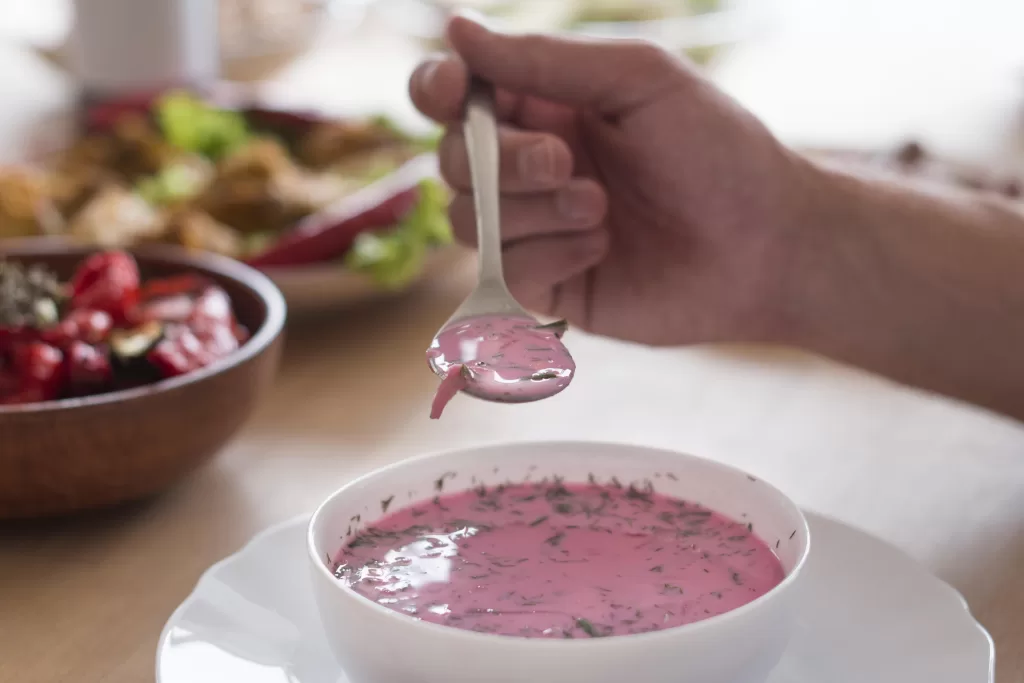
Stay on soft foods and liquids for a little longer than usual, and continue drinking water during the day to keep yourself hydrated. Your doctor or surgeon will advise you when it’s okay to resume your GLP-1 medication, so wait until you hear the all-clear.
Pay attention to your body. If you experience unusual symptoms such as ongoing vomiting, extreme stomach aches, or any breathing difficulties, immediately call your care team. A proper diet and close follow-up with your care team are essential for a smooth recovery from Ozempic dental surgery.
How Ridge Oral Surgery Prepares GLP-1 Patients
When you visit Ridge Oral Surgery for your dental needs, we don’t just care about the procedure; we care about you.
Being on a GLP-1 medication like Ozempic doesn’t mean oral surgery needs to be intimidating. It adds more forethought to recovery and anesthesia. The most crucial factor is getting everyone on the same team: your surgeon, your prescriber, and, of course, you.
If you’re on Ozempic or another GLP-1 medication, reach out to Ridge Oral Surgery today!