While dental implants are meant to last for decades, like natural teeth, they still need healthy tissue support to stay healthy and strong.
At times, small changes around dental implants may occur that are not urgent. The good news is that most of these changes are easily preventable and highly treatable, as long as we catch them early.
One of the changes we are monitoring is peri-implantitis, an inflammatory disease that occurs around dental implants and affects the bone and gum tissue surrounding them. In this blog,
we will take you through the signs and symptoms of peri-implantitis, risk factors, diagnosis, treatment, and prevention.
What Is Peri-Implantitis and Why Does It Happen
Peri-implantitis is an inflammatory disease that affects the bone and gum tissue surrounding dental implants. This disease begins as peri-implant mucositis, a less severe form of peri-implantitis that is easily reversible.
However, as bacteria accumulate around dental implants and cause inflammation, this condition will eventually lead to bone loss around the implants. Such a condition is similar to advanced gum disease around natural teeth. While this type of disease is not common in dental implants, it can still occur without painful symptoms.
Early Warning Signs Patients Should Never Ignore
In the case of implants, it is the minor changes that matter. By observing the changes, we can take action and safeguard your future results.
Subtle Changes in the Gums
If you experience redness, minor swelling, or soreness around the implants, do not take it lightly. The tissues around implants should always be firm and pink.
Experiencing Bleeding During Brushing and Flossing
It is not considered normal for the tissues around implants to bleed when you brush and floss. It may be a sign of bacterial accumulation around the implants.
Experiencing Bad Taste and Discharge
If you experience a bad taste and minor discharge from the implant, it may be a sign of infection forming at the gum line.
Experiencing Slight Movement of the Dental Implants
It is considered a warning sign when the implants begin to move slightly. This might increase the possibility of infections, etc.
Radiographic Bone Changes
It is also possible for changes to be evident during your scheduled maintenance visits. It’s important to visit your dentist for regular follow-ups.
The sooner we catch these changes, the better we can prevent complications with your dental implants.
Why Peri-Implantitis Develops
Implant tissues rarely become inflamed without a reason. It usually starts with plaque buildup and minor lapses in oral hygiene. For people with a history of gum disease, the tissues have probably been weakened and can easily deteriorate.
Smoking and the use of nicotine products can also contribute to the onset of peri-implantitis because they slow down the healing process. Additionally, people with diabetes and similar conditions have weakened body defenses, which can also contribute to the onset of peri-implantitis.
Other factors include the placement of the implants and the amount of cement used. Peri-implantitis can also be caused by improper implant placement and excess cement.
How We Diagnose Peri-Implantitis
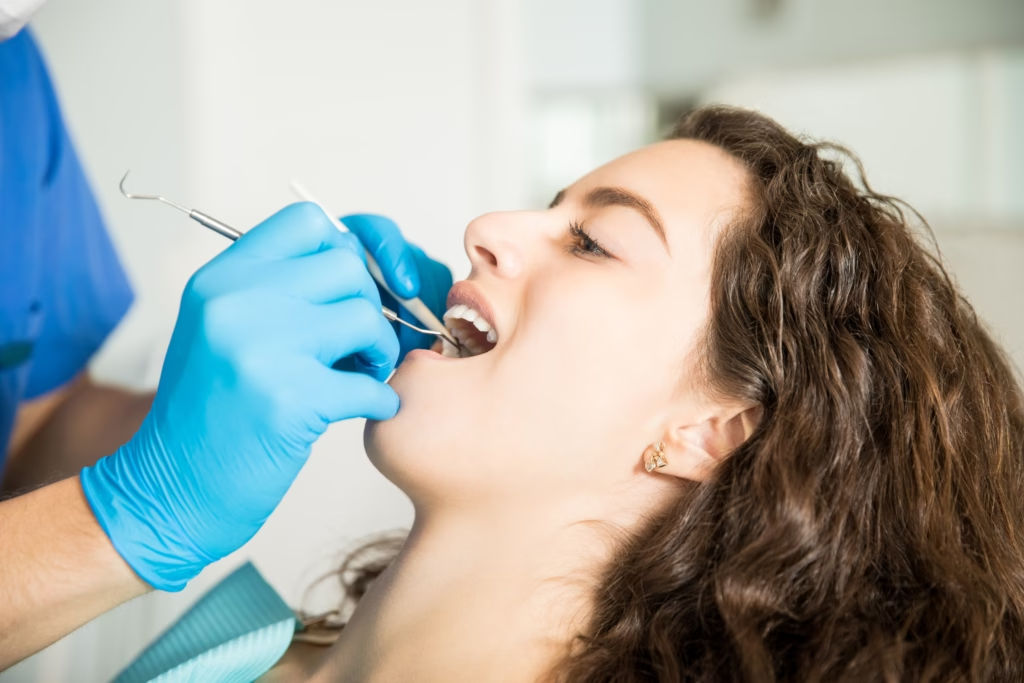
Early diagnosis allows us to protect not only the implant but also the surrounding bone. At the Ridge Oral Surgery in New Jersey, we measure the probing depth of the implant and surrounding bone tissue, as well as any signs of bleeding and suppuration. These minute details enable us to determine if there is any sign of inflammation and assess its severity.
Radiographic examinations are equally essential. With accurate digital records of bone levels, we can detect even minor changes that might not yet be noticeable or comfortable. Early detection of peri-implantitis greatly reduces the risk of implant failure.
Modern Treatment Options for Peri-Implantitis
When it comes to treating peri-implantitis, we take a careful, precise, and solution-based approach. We start with stabilization and, where possible, tissue regrowth.
Non-Surgical Approach (Early Stage of Peri-Implantitis)
In the early stages of peri-implantitis, we may start with professional decontamination of the implant surface and antimicrobial therapy. In some cases, laser therapy and/or antibiotics may be recommended to eliminate bacteria and reduce tissue irritation.
Surgical Approach (Later Stage of Peri-Implantitis)
When there is significant bone loss, we may attempt to access the implant surface to decontaminate and detoxify it. Additionally, bone grafting and tissue regeneration techniques may be employed.
Not all cases of implant failure are inevitable, especially if addressed timely and thoughtfully.
When Removal Is Necessary
Although infrequent, circumstances sometimes necessitate the most predictable course of action: removal of the dental implants. This scenario is most often seen in cases of severe bone loss, infection, or compromise that could affect the implants in the long term. When the peri-implantitis has progressed to this stage, the implants may not be preserved.
Our advice is never rushed, and we take time to assess the bone support, your health, and your prognosis before deciding on the next course of action. We may consider replacing the implants immediately to reduce the risks of implant failure.
Prevention: The Most Powerful Treatment
The most advanced treatment is prevention. When implants are properly maintained, the prognosis is much more predictable.
Professional Maintenance Visits
We will create a personalized maintenance schedule depending on your individual risk factors. We will monitor your implants regularly to check for the slightest change that could lead to dental implant problems.
At-Home Care Strategies
Daily care is vital to the success of your implants. Brushing, water flossing, implant-friendly floss, and mouthwash will all help prevent bacterial accumulation that could lead to dental implant problems.
Lifestyle Factors
Staying away from smoking, managing your diabetes, and using a night guard if you have a clenching habit will all help to ensure the success of your implants in the long term.
This kind of care will greatly reduce the chances of dental implant problems.
Common Myths About Peri-Implantitis
The most common myth is that implants cannot become infected. However, it is well known that the tissue around dental implants still reacts to bacteria, and this process is how peri-implantitis starts. Another myth is that as long as there is no pain, everything is fine. However, bone loss often starts without pain. Another myth is that if there is inflammation, the dental implants will fail. However, it is possible to stabilize such situations with strategic care and attention.
Who Is Most at Risk?
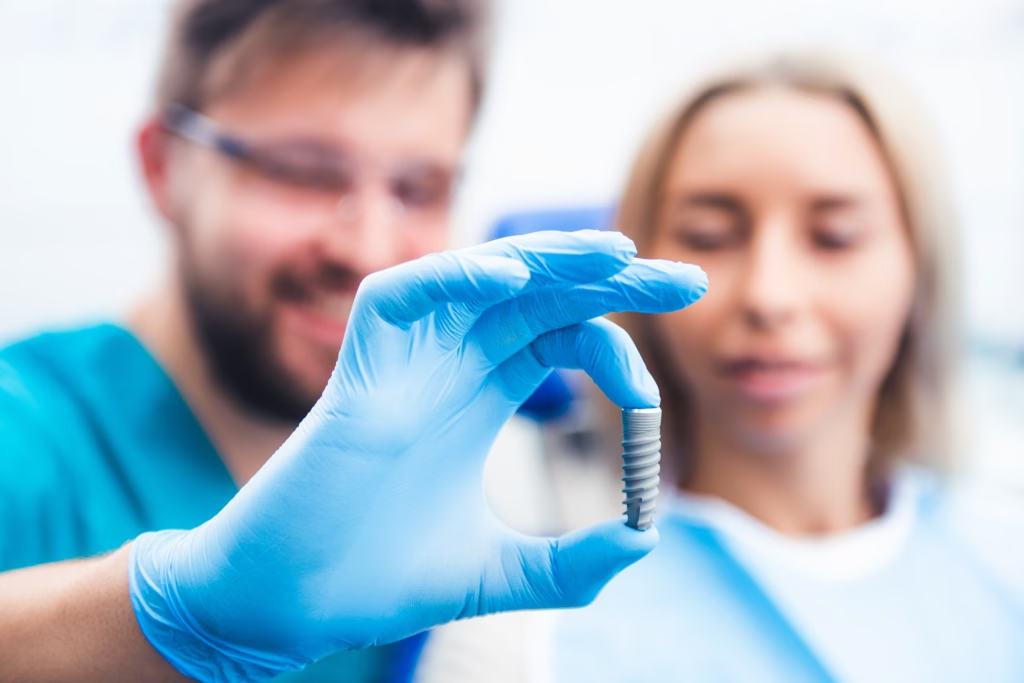
Although dental implants are highly successful, some people are still at a higher risk of developing peri-implantitis than others.
For instance, people who have a history of gum disease are at higher risk because of the increased risk of peri-implantitis around dental implants. Smokers and people with poor oral hygiene are also at risk of developing peri-implantitis because of increased bacterial accumulation around dental implants.
Additionally, people with excessive bite force and people who clench their teeth are also at risk of developing peri-implantitis because of increased pressure on dental implants and bone loss around them.
This is why we always plan and care for each case individually and strategize on how to avoid peri-implantitis around dental implants.
How We Approach Implant Health Long-Term
At Ridge Oral Surgery, our approach to long-term implant health is based on precision and proactive care, supported by digital monitoring of bone levels and precise placement of implants. This will occur during surgery and will require close coordination with your restorative dentist. This step is crucial for helping you avoid complications such as peri-implantitis and for ensuring the long-term stability of your dental implants.
Do you notice some changes in your dental implants? Don’t hesitate and book your appointment today!