A small lump in your jaw may not seem like a thing at first, but if it begins to influence the way you chew, talk, or breathe, it suddenly becomes something you can’t ignore. The good news is that most jaw cysts and oral tumors are benign. Nevertheless, they should not be ignored. Early detection can make the difference.
At Ridge Oral Surgery, we’ve helped many patients identify and treat these growths before they become more serious. Whether you’re dealing with a painful jaw cyst or a suspicious oral tumor, acting early is your best defense. We’ll walk you through the early signs, the different types of growths, when clinical attention is warranted, what tumor removal surgery entails, and how to ensure a smooth recovery.
What Are Jaw Cysts and Oral Tumors?
A jaw cyst is a fluid-filled sac that develops in the jawbone or adjacent soft tissue. It may grow slowly, but over time, it might exert pressure on the neighboring teeth or bone. In contrast, an oral tumor is an abnormal growth of tissue in the mouth or jaw. While many are benign, they still need attention.
You might hear terms like ‘odontogenic cysts,’ ‘ameloblastomas,’ or ‘fibromas.’ These are some of the more common types. Causes can range from past trauma and infections to genetic factors. According to trusted sources, such as the Mayo Clinic, early diagnosis makes a significant difference in how these issues are managed.
Early Signs You Shouldn’t Ignore

Some of the initial symptoms of jaw cysts or oral tumors are surprisingly mild. You may experience a little swelling of your jaw, recurrent pain, or numbness elsewhere in the area. Some individuals may experience difficulty chewing or speaking, or notice a loose tooth or a shifting bite.
Even if painless, these symptoms should not be ignored. Our advanced imaging technology, such as digital X-rays and CBCT scans, usually diagnoses a jaw cyst before it leads to severe symptoms. Early assessment enables early intervention and more successful treatment. If you experience suspicious changes in your dental health, it’s advisable to have them professionally checked.
What to Expect from Your First Visit
When you come in with a suspicious growth, we begin with a comprehensive medical history, imaging, usually a CBCT scan, and a complete physical exam. If necessary, we will do a biopsy, incisional or excisional, to ascertain if the lesion is benign or malignant.
One of the first things we evaluate is whether the mass is cystic (fluid-filled) or solid, which helps guide treatment. Whether it’s a jaw cyst or an oral tumor, early diagnosis is critical. We walk you through every step before recommending tumor removal surgery, making sure you understand your options and feel confident in your care.
Treatment Options for Jaw Cysts and Oral Tumors
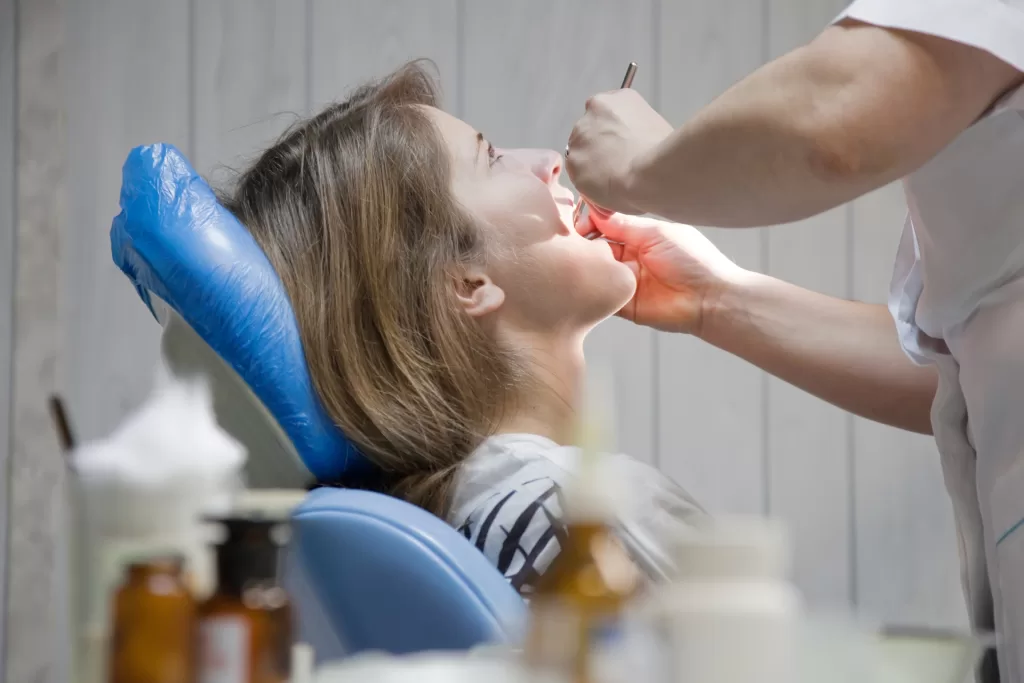
Here are some treatment options that we follow for jaw cysts and oral tumors:
Conservative Treatments
On occasion, particularly with large or slowly growing jaw cysts, we can begin treatment with marsupialization, a process that opens the area to drain the cyst and allows pressure to be relieved over time. When infection is present, there are targeted medications that minimize inflammation and ready the area for more treatment.
Surgical Options
In most patients, surgery is the best solution. Enucleation is the removal of the cyst or oral tumor without disrupting the surrounding tissue. When there is an invasive growth, resection may be required to remove the adjacent bone or the soft tissue. In such cases, bone grafting or reconstructive surgery may be required to ensure long-term function and aesthetics.
Some oral tumors require only simple excision; others call for complex tumor removal surgery to fully restore health. We determine the right approach based on the size, location, and pathology of the growth.
What to Expect During and After Tumor Removal Surgery
Tumor removal is typically performed under general or local anesthesia, depending on the location and size of the lesion. Most take an hour or two and use meticulous techniques to avoid stress and preserve healthy tissue.
Following surgery, there is some swelling and mild pain for a few days. Complete healing takes a few weeks. We schedule follow-up appointments to check for progress and discuss pathology reports.
A smooth recovery involves adhering to soft foods, maintaining cleanliness of the surgical area, and taking drugs as advised. One must also look out for signs of infection or recurrence. Regular contact with your oral surgeon will ensure that everything heals correctly.
Long-Term Oral Health and Monitoring
After the stitches are taken out, the healing process continues. Long-term monitoring following tumor removal surgery maintains the strength and health of your jaw. We can track your recovery and identify any early indications of recurrence thanks to routine examinations and updated imaging.
We also closely monitor jaw structure and nerve function to ensure everything is in proper working order. In certain instances, follow-up surgeries such as reconstruction would be required for optimal function or appearance. For at-risk patients, regular oral cancer screening and surveillance are necessary for reassurance and long-term health.
Why Choose Ridge Oral Surgery for Jaw Growth
Experience and technology go a long way when diagnosing and treating oral tumors or jaw cysts. At Ridge Oral Surgery, we have state-of-the-art 3D imaging and in-office biopsy equipment to provide fast and accurate answers.
Our care for your comfort and understanding begins with the initial consultation and continues through the postoperative period. We have successfully treated everything from small, basic cysts to complex tumor reconstructions.
We treat patients from Warren, Morristown, Bridgewater, and the neighboring New Jersey regions with the experience, compassion, and accuracy that each oral tumor case requires.
Ready to Take the Next Step?
Seeing something off in your jaw, in the form of a lump or swelling, can be uncomfortable, but catching it early is paramount. The earlier we take a look, the more successful the treatment.
If something doesn’t feel right, don’t wait for the situation to worsen. Let’s discuss it. We’re here to answer your questions, guide you through your choices, and ensure you feel good about what’s next.
Feel free to contact us to schedule a consultation today. We are always there for you.