Did you just have dental surgery and are wondering how to enjoy July 4 without hindering your recovery? We’ve got you covered. With BBQs, desserts, and family fun on the menu, worrying about what’s safe to eat is normal. We are here to put your fears to rest. You don’t have to miss out; you just need to eat a little smarter.
At Ridge Oral Surgery, we believe that post-surgery care should support your healing without taking the joy out of celebrations. Recovery after dental surgery is all about balance, and that starts with the right food choices.
In this blog, we’ll share what to eat, what to avoid, simple oral care tips, and festive July 4 swaps that keep your recovery on track, while still letting you enjoy the holiday.
Understanding Your Healing Timeline
Convalescence from dental surgery progresses in phases, and awareness of what occurs can make you feel more comfortable. In the first 24 hours, swelling and soreness are to be expected. It’s wise to practice resting and choose soft foods. From days two to seven, the soreness can persist, but slow improvement will typically start. After a week, most individuals are much more comfortable, although complete healing takes time.
Following your surgeon’s post-surgery care plan is key. Avoid straws, smoking, or hard foods early on, as they can slow healing. Gentle, consistent oral care makes a big difference in your recovery.
4th of July Foods to Avoid After Dental Surgery
We hate to be the bearer of bad news, but some traditional July 4 favorites should be off-limits during recovery. Corn on the cob, steaks, ribs, and grilled chicken are all difficult to chew and put too much pressure on healing areas. Chips, nuts, and popcorn can be sharp and easily irritate surgical sites. Soda and alcohol may delay healing by drying out tissues or increasing the risk of infection.
The last thing you want post-dental surgery is to irritate your stitches with crunchy chips or BBQ ribs. Sticking to softer foods helps protect blood clots, minimize discomfort, and support effective post-surgery care and oral care.
Recovery-Safe Recipes and Foods You Can Enjoy
While we have gone over the list of foods you should avoid during recovery, there are many delicacies you can enjoy. Let us give you a quick introduction to them:
Protein-Rich Yet Soft
It’s necessary to remain nourished following dental surgery, particularly with protein. Opt for soft foods that are simple to chew and swallow. Scrambled eggs are easy on healing tissue and simple to flavor with herbs or soft cheese. Shredded turkey or chicken (tender and moist) will also serve the trick. Greek yogurt mixed with mashed berries supplies protein, probiotics, and a touch of sweetness without creating jaw pressure.
Festive Sides That Won’t Hurt
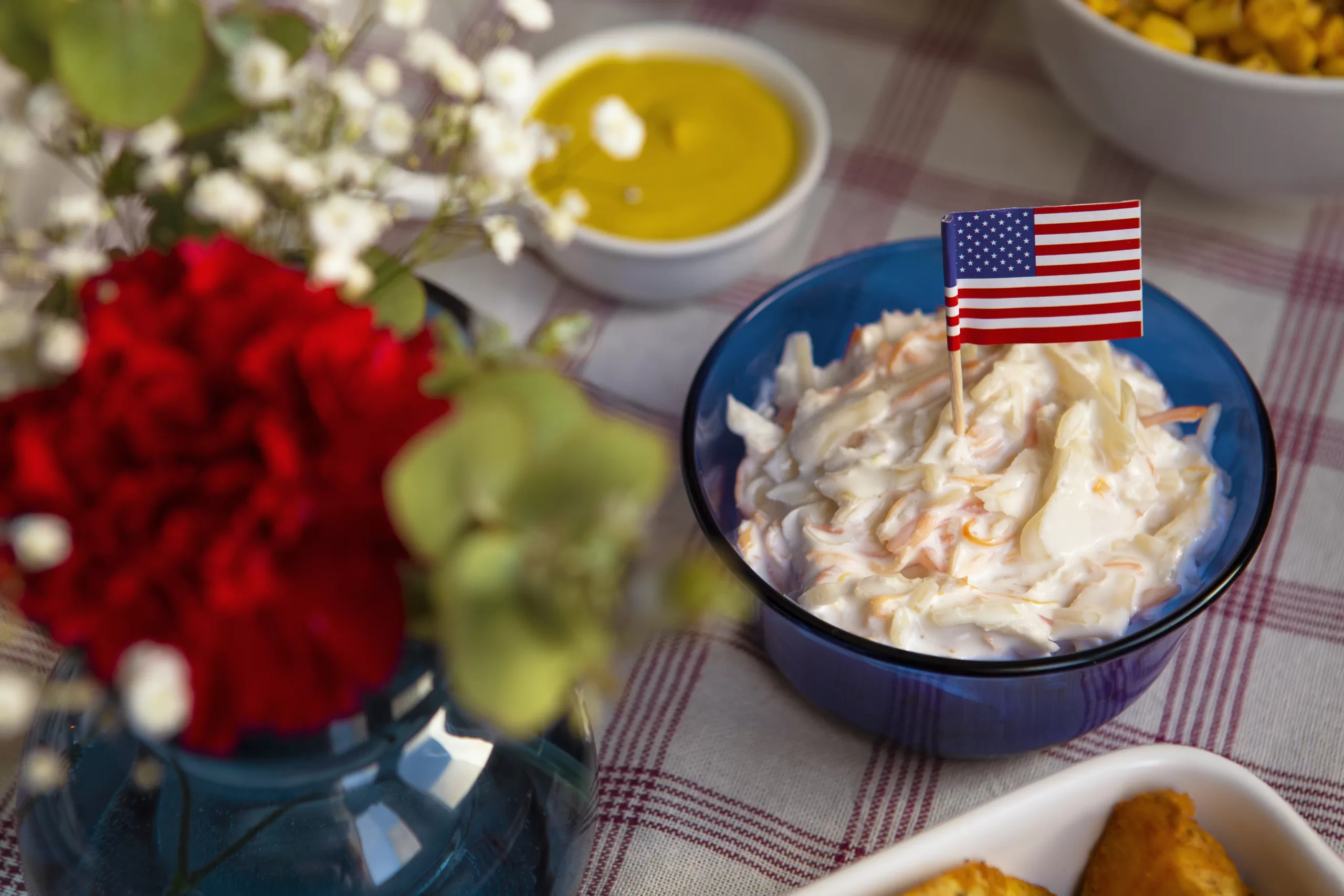
You can still have traditional July 4 sides with the same texture. Mashed sweet potatoes are delicious, high in vitamins, and creamy. Macaroni and cheese is another soft and comforting favorite. Soft baked beans provide a festive flavor while being easy on the healing areas.
Chill Treats for Comfort and Healing
Cool, soft sweets can ease swelling. Consume smoothies made of banana, yogurt, or soft fruit, but omit the straw. Fruit purée and frozen yogurt popsicles are a cool and safe treat.
It’s easy to have a filling, on-brand plate with a little pre-planning. There’s no compromising on your oral health on our watch.
Hydration, Timing, and Temperature: Other Holiday Rules to Follow
Staying hydrated is essential for healing. Be sure to drink plenty of water throughout the day. Avoid sodas, carbonated beverages, and alcohol, as these might irritate delicate tissues. Stick to cold or room-temperature foods, since anything too hot may aggravate pain.
Even with the July 4 festivities, don’t forget your saltwater rinses or prescribed pain medication. These small steps support your post-surgery care. It also helps to eat smaller, spaced-out meals to avoid overworking your jaw. With a few smart choices, you can enjoy the holiday and still stay on track with your oral care and recovery.
Smart Oral Care Tips During Recovery
Brushing your teeth is only one part of caring for your mouth after dental surgery. Begin with moderate seawater rinses after meals to keep things clean; mouthwash can be too harsh right now. Use a soft-bristled toothbrush and take additional care around the healing region.
If you’re heading out to celebrate, it’s a good idea to carry some gauze or an oral rinse, just in case. Additionally, fireworks and loud noises can cause you to tense up, which puts pressure on your jaw. Try to stay relaxed. Great oral care isn’t just about brushing; it’s also about being aware of how your daily habits can impact your recovery.
When to Call Your Surgeon Post-Holiday
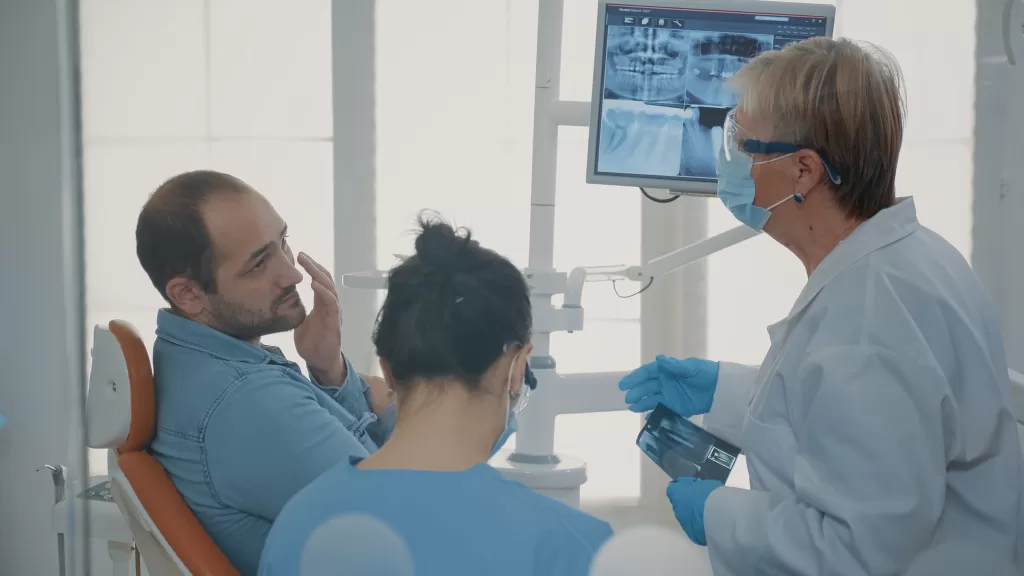
A little soreness after dental surgery is expected, but some symptoms shouldn’t be brushed off. If you’re seeing bleeding that won’t stop, swelling that’s getting worse, or signs like pus, fever, or a bad taste in your mouth, it’s time to check in. These could be indications of an infection or another condition that might require immediate attention. Even if it’s a holiday weekend, please do not hesitate to reach out.
We, at Ridge Oral Surgery, are available to our patients, offering weekend assistance and follow-up care. Your rehabilitation is our top priority, and a simple call can help you stay on track.
Why Our Team at Ridge Oral Surgery Supports Celebrating Smart

At Ridge Oral Surgery, we understand that recuperation does not mean putting life on hold. We think that quality post-surgical care entails living your life, celebrating, and safeguarding your recovery. That’s why we take the time to provide advice targeted to your specific plans, whether you’re staying local or traveling for the holidays. Our goal is to help you feel confident and comfortable as you heal.
We proudly serve patients in Warren, Morristown, and Bridgewater, New Jersey. If you have questions, need a follow-up, or just want to double-check your recovery routine, give us a call. We’re here to make sure your healing stays on track, holiday or not.
Enjoy the 4th and Stay on Track
It is not that hard to enjoy the Fourth of July with sufficient care and the right decisions. Avoid hard meals, maintain consistency in your oral care, and don’t hesitate to contact us if something doesn’t seem normal. Need more help?
Head onto our page today to learn more about our services.