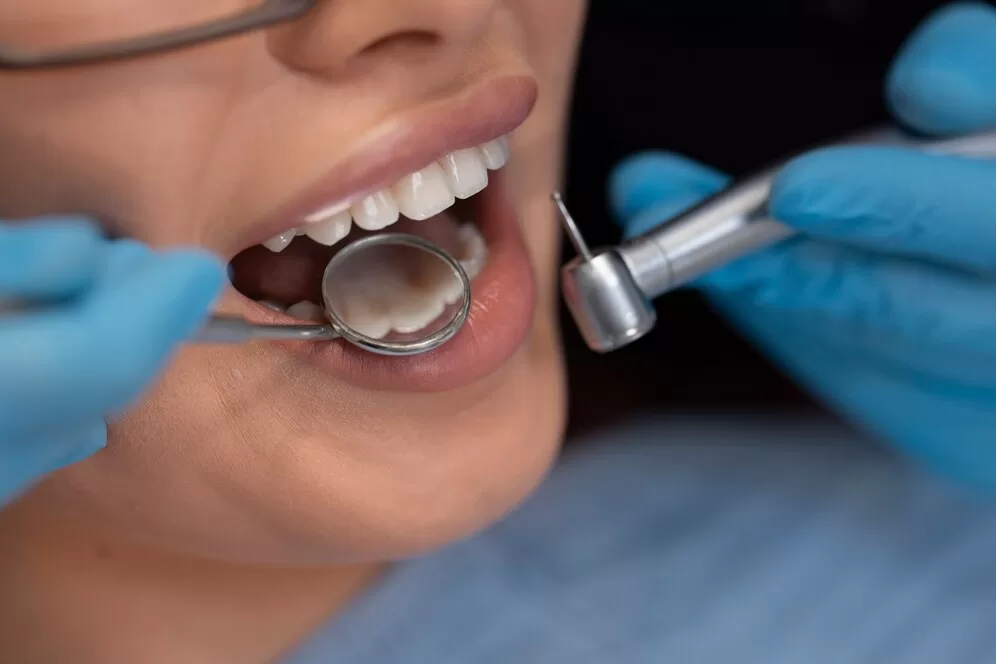
Have you ever woken up with a painful jaw grind, stiff facial muscles, or a headache that just refuses to disappear? It may feel like a grind at the time, but it could be a sign of something more serious. Teeth grinding, also known as bruxism, is a common condition that often goes unnoticed, especially when it occurs during sleep. It’s common for most people not to know they’re grinding their teeth until the damage becomes visible. Unnoticed bruxism can harm your oral health and overall well-being, resulting in symptoms such as damaged enamel and persistent jaw pain.
In this blog, we attempt to discuss the reasons why teeth grinding happens, what kind of damage it can cause over time, and when surgery might be something you need to include in your treatment plan.
What Is Bruxism (Teeth Grinding)?
Bruxism is the unconscious grinding of teeth that might occur while you are awake or sleeping. Awake bruxism tends to happen at times of tension or single-minded concentration, whereas sleep bruxism is harder to notice and can be more damaging over time.
Bruxism is extremely common, affecting a large number of adults and teenagers. Since sleep bruxism occurs unconsciously, people often aren’t aware they suffer from this condition until such symptoms as jaw pain, worn-down teeth, or headaches begin to emerge. This delay in diagnosis leaves the bruxism damage extensive before treatment is even initiated.
Early recognition is a key factor. When addressed promptly, we can help protect your smile and prevent further complications from teeth grinding.
What Causes Bruxism?
Knowing what causes bruxism is the first step to effectively managing it, as there are a number of usual causes that may lead to teeth grinding and jaw strain.
- Stress and Anxiety: These usually cause involuntary teeth grinding, particularly at night, when the body attempts to relieve tension built up throughout the day.
- Misaligned Bite or Jaw Issues: When your bite is incorrect or your jaw is out of alignment, it can exhaust your facial muscles and create bruxism.
- Sleep Disorders (Sleep Apnea, Snoring): Snoring and sleep apnea are strong predictors of nocturnal bruxism.
- Medications and Lifestyle Triggers (Caffeine, Alcohol): Excessive caffeine consumption, some medications, and alcohol may overstimulate the nervous system and lead to teeth grinding.
- Wisdom Teeth Pressure or Misalignment: Traumatized or displaced wisdom teeth are responsible for jaw pain and crowding, which in turn may contribute to involuntary grinding.
The Damage Teeth Grinding Can Cause Over Time
Teeth grinding, over time, can cause significant damage. Here are some common repercussions of teeth grinding:
- Tooth Wear and Cracks: Consistent and ongoing pressure can erode your enamel, making teeth sensitive, chipped, or cracked.
- Receding Gums and Jawbone Loss: That very pressure can push the gums backward and even cause the bone holding your teeth to suffer.
- TMJ Dysfunction and Facial Pain: You may have jaw stiffness, soreness, or clicking while you chew or talk.
- Headaches and Earaches: Jaw tension usually results in persistent headaches or ear pain.
- Interrupted Sleep and Fatigue: All that tension can disrupt your sleep and cause you to feel tired.
Occasionally, wisdom teeth extraction will relieve crowding in the jaw and decrease these problems.
When to See a Specialist for Bruxism
If you have persistent jaw pain, tooth destruction, or your jaw locks or feels tight, you should see a specialist. These are usually the signs that signify that the problem is more than general dental treatment.
Your general dentist will usually notice these signs during checkups and might refer you to an oral surgeon for evaluation.
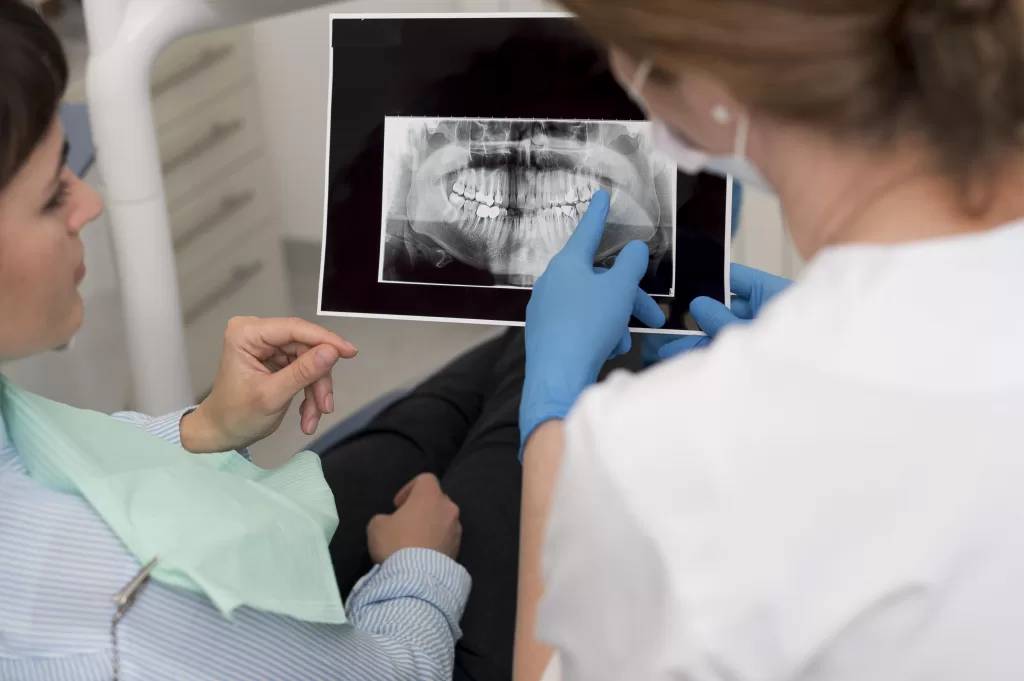
Oral surgeons employ advanced 3D imaging to provide a clear picture of your jawbones and joints. This helps accurately diagnose the issue and determine if surgery or other treatments are needed for lasting relief.
How Oral Surgeons Can Help with Severe Bruxism
We usually start with conservative treatments such as bite guards, Botox injections, or behavioral therapy. These treatments can ease muscle tension and safeguard your teeth from further injury.
If your symptoms continue or get worse, we could pursue corrective jaw surgery to address the alignment issues. Wisdom teeth removal may be recommended in some circumstances if overcrowding is putting strain on your jaw and causing grinding.
Ridge Oral Surgery employs the latest diagnostic equipment and a gentle approach to better understand your situation. Our team takes the time to explain to you your options and offer individualized care. The goal is to provide long-term relief and protect your overall dental health.
Surgery for Bruxism: What to Expect
Wisdom Teeth Removal to Relieve Pressure: If your wisdom teeth are crowding or applying pressure to your jaw, having them removed can go a long way in relieving bruxism symptoms and avoiding more harm.
Jaw Surgery (Orthognathic Surgery) for Severe Misalignment: Corrective jaw surgery is the best option for people with severe biting problems or jaw misalignment. It brings balance back and eliminates long-term wear and tear on facial joints and muscles.
Recovery Time, Benefits, and Post-Op Care: Recovery is varied but typically consists of rest, soft foods, and return visits. Most patients report enhanced comfort, improved sleep, and decreased jaw pain post-surgery.
Why Choose Ridge Oral Surgery for Bruxism and Jaw Issues
When you’re experiencing jaw pain or grinding teeth, choosing the right care is critical. At Ridge Oral Surgery, our board-certified surgeons combine both skill and a personal approach for every patient. We listen and tailor treatments to your specific needs.
We’ve watched numerous patients come to us fed up with constant pain and leave feeling relief from TMJ and bruxism symptoms. Their positive testimonials are a significant contributor to what propels us forward.
We are pleased to serve Bridgewater, Morristown, and the surrounding New Jersey communities. So, whether you’re just starting to look into choices or are ready to begin treatment, you can count on us to be there for you every step of the way.

Ready to Take the Next Step?
Untreated bruxism can result in significant long-term damage to the jaw and teeth. We’re here to help you figure out the best treatment, whether that’s wisdom teeth removal or jaw surgery. You are welcome to schedule a consultation by visiting our contact page or checking out our services.
The sooner you act, the sooner you can find comfort and protect your smile.