Ever wake up with a throbbing headache and an aching jaw and wonder if they’re related? The answer could lie in your temporomandibular joint, also referred to as the TMJ. This small but powerful joint connects your jaw to your skull and plays an important role in chewing, talking, and facial movement. When it’s not working, it can cause muscle tension and pain that tends to radiate to the head and neck.
For most individuals, TMJ disorder is an underdiagnosed source of chronic migraines. At Ridge Oral Surgery, we see patients every day who have attempted medication, therapy, and even neurology referrals, only to find that the root of the problem was their jaw.
In this blog, we will see how TMJ can lead to migraines, the symptoms you cannot afford to ignore, and how specialist oral surgery can bring long-term relief when other treatments have been unsuccessful.
What Is TMJ and How Does It Affect the Body?

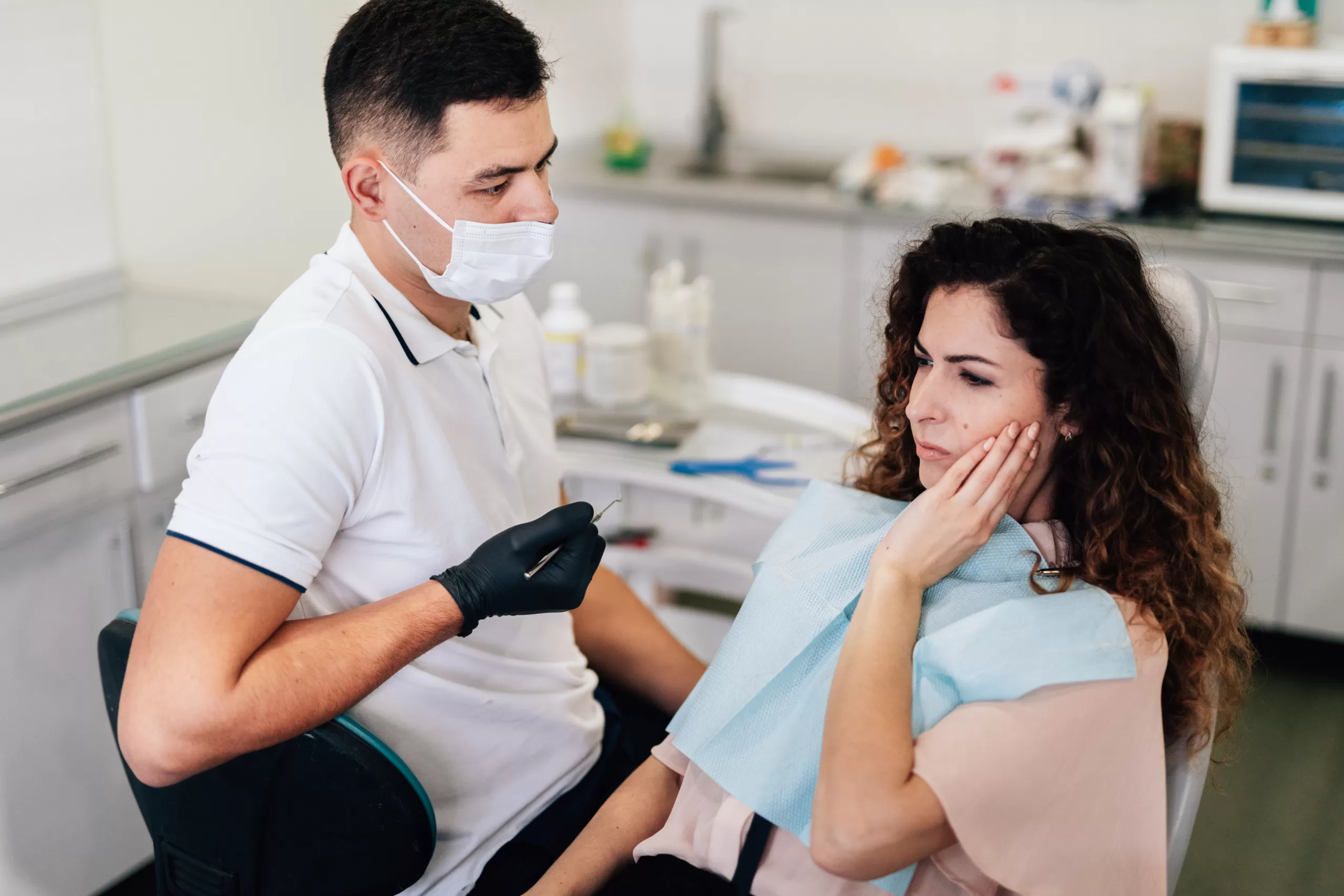
The temporomandibular joint (TMJ) links your jawbone to your skull and functions as a sliding hinge so that you can chew, talk, and yawn easily. TMJ disorder occurs when the joint or related muscles become inflamed or misaligned, resulting in pain. The most frequent symptoms are clicking or popping of the jaw, facial pain, headaches, and difficulty opening or closing the mouth.
Since your jaw is closely linked to nerves and muscles in your head and neck, TMJ can affect more than just your jaw. It could be the missing link in understanding your history of migraines.
The Surprising Connection Between TMJ and Migraines
It may surprise you, but jaw disorders and migraines usually have a more complex connection via the trigeminal nerve. This large nerve governs facial sensation, jaw motion, and migraine pain. When the joint next to your ear is irritated or out of position, it can overstimulate this nerve, causing headache symptoms.
The pain doesn’t always stay local. It can radiate to your temples, forehead, or even behind the eyes. With additional muscle tension from teeth grinding or clenching, the symptoms can closely resemble a migraine.
When we assess patients with chronic headaches in our dental surgery office in Warren, we often discover that these symptoms are part of a larger jaw-related issue. Studies continue to support the strong connection between jaw joint disorders and recurring head pain.
Shared Symptoms: Migraine or TMJ Disorder?
Migraines and jaw issues often share very similar symptoms, making it easy to confuse the two. Misdiagnosis occurs, and patients are sometimes given migraine treatments when they have an underlying jaw issue.
Here’s a brief symptom comparison:
| Symptom | Migraine | Jaw Issue |
| Pain behind the eyes | ✓ | ✓ |
| Neck stiffness | ✓ | ✓ |
| Sore jaw or clicking jaw | ✗ | ✓ |
| Nausea | ✓ | Sometimes |
| Sensitivity to light | ✓ | ✗ |
Curious about which one suits you?
Ask yourself:
- Does your head ache worse after chewing?
- Do you wake up with jaw tension?
- Ever hear a click when you open wide?
If so, your jaw may be contributing more than you realize.
When Should You See a Specialist for Jaw-Related Migraines?

If your headaches get worse when you chew or yawn, it might be time to consider your jaw as the source. Morning headaches paired with a tight or sore jaw are another common sign. Are you a bruxist? Do you have a history of teeth grinding or clenching? This can put extra stress on your jaw and can cause migraines.
Generally, your regular dentist can identify these signs at regular checkups and might refer you to an oral surgeon for a thorough exam. Oral surgeons utilize sophisticated equipment, including 3D imaging and cone beam scans, to capture clear images of the jaw joint’s health. Early diagnosis enables effective treatment planning and for it to be customized to your needs and bring the relief that you desperately need.
Treatment Options for TMJ That May Reduce Migraines
Conservative Treatments First
When jaw issues are the cause of your migraines, treatment is often straightforward. Custom mouthguards to minimize teeth grinding, physical therapy to relax tension, and even Botox to relax muscles are common recommendations. Stress-reduction therapy can also be beneficial.
These non-surgical treatments work well for the majority of people and reduce the frequency and intensity of migraines.
When Surgery Is Required
If symptoms continue, we try less invasive options such as joint injections or arthrocentesis. When necessary, corrective jaw surgery may alleviate nerve pressure and reposition the joint.
At Ridge Oral Surgery, our advanced imaging and personalized treatment plans help identify permanent relief. We’ve successfully reduced frequent migraines in many patients at our dental surgery, Warren Clinic, by addressing the underlying TMJ cause.
What to Expect If TMJ Surgery Is Recommended
When nonsurgical therapies are not enough, surgery can be suggested. Procedures may include arthroscopy, joint replacement, or orthodontic corrective surgery, depending on the case. Each method is meant to correct normal joint function and take pressure off.
Recovery typically involves a few weeks of healing, a soft-food diet, and scheduled follow-up visits to monitor progress.
We know that facial surgery can be intimidating, but our staff utilizes high-tech techniques and places emphasis on patient safety and comfort during the procedure.
In our experience at the Warren Dental Surgery Center, most TMJ surgery causes notable relief, not only in the jaw but also in overall head pain.
Why Choose Ridge Oral Surgery for TMJ and Migraine Relief
Here, at Ridge Oral Surgery, we provide skilled care from board-certified oral surgeons with expertise in jaw and migraine relief. Our patient-centric practice features thorough diagnostics and customized treatment plans to address your specific needs. With state-of-the-art technology, we provide precise diagnoses and successful results.
We are proud to serve patients in Warren, Morristown, and Bridgewater, NJ, and assist them in enhancing their quality of life.
TMJ and You
If nothing seems to be working, it may be time to look a little closer at your jaw. TMJ problems are a silent migraine trigger for many, and getting them treated can provide real, sustained relief.
There’s no need to continue bearing the discomfort.
Let’s figure it out together. Make an appointment today and start on your journey of better health!