Introduction:
Did you know that dental surgery plays a key role in understanding and restoring oral health issues ranging from affected teeth to severe gum problems? From providing modern-day patients with the tools to overcome oral pain and discomfort to offering them the privilege of a better quality of life, dental surgery has much more to offer than one would think. Dental surgery influences not just oral aesthetics but also ensures that simple routine check up, tooth extraction and long-term oral wellness are a part of it.
Advanced technology is significantly impacting patience experience when it comes to dental procedures and surgery. Modern dental techniques like 3D imaging, computer guided surgery, and specialised healthcare software are transforming the way dental professionals diagnose and treat oral conditions, making procedures safer, quicker, and highly precise while improving recovery time and patient outcomes. Recent advancements have helped patients ensure greater trust in dental professionals and also motivated them to seek timely dental care and treatment. In this blog, we will talk about the recent advancements in dental surgery and how it is shaping a better future for oral healthcare.
Brief History of Dental Surgery:
The history of dentistry dates back to thousands of years ago, which is also considered to be as old as humanity and civilization. The earliest evidence of dentistry is said to be available from 7000 BC in ancient civilizations such as Egypt, India and China. Archeological evidence disclosed that dental surgery used tools made of stone and metal to extract teeth and treat oral infections. This evidence clarified that ancient dental procedures were often painful, time taking and were less precise compared to modern oral techniques.
As time progressed, during the middle ages, dental surgeries were performed by barbers and general physicians without thorough knowledge of infection control and anesthesia which caused patients to endure significant pain and discomfort and were at high risk of other health complications. During the 18th and 19th centuries, dental surgery had started to evolve into a specialized field and dentistry was a completely separate medical subject with scientific advancements and development of specialized tools.
As populations increased and dental diseases became more prevalent, evolution of dental surgery has not only become an extreme necessity but also benefited patients who required less invasive procedures and provided them with facilities of shorter turnaround time, and more predictable results.
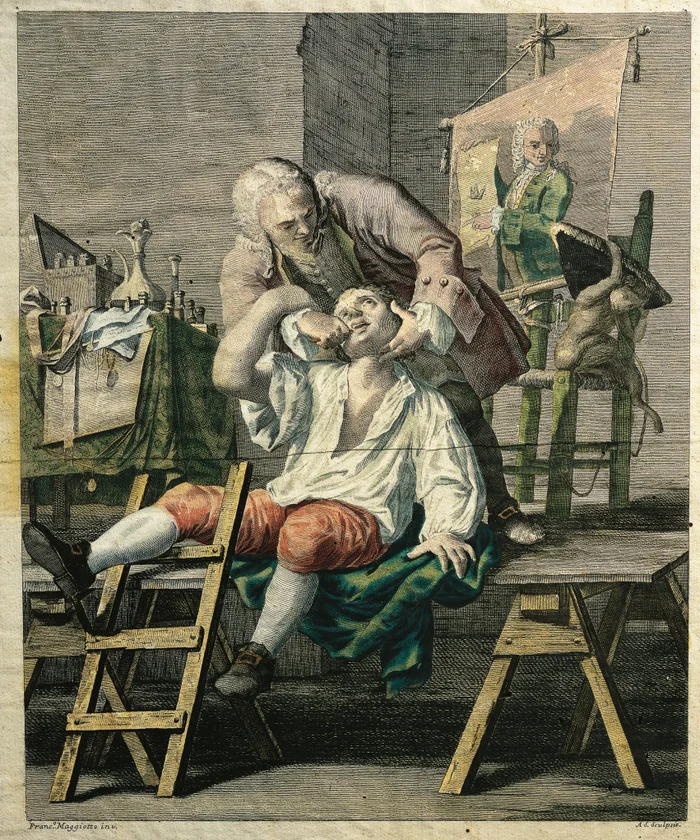
A 19th century Italian Itinerant, “tooth drawer” as they were known. Image: https://www.theguardian.com/society/gallery/2014/jun/16/a-history-of-dentistry-in-pictures
Breakthroughs in Modern Dental Surgery Techniques:
Modern dental surgery techniques have reenvisioned how oral health care is provided, helping patients with a combination of precision, comfort, and highly improved outcomes. Among numerous advancements, laser dentistry, minimally invasive techniques like flapless implant surgery and Digital imaging and 3D printing have made groundbreaking developments in dental surgery. Together, these dental surgery techniques are shaping a bright future in oral healthcare.
- Laser Dentistry: This technique uses concentrated beams of light to address oral issues such as gum disease, cavities, and also helps in performing soft tissue surgeries with minimal pain and quicker recovery time. This highly advanced technique has stood out among other techniques for its ability to help diagnose oral issues and even perform minimally invasive surgeries.
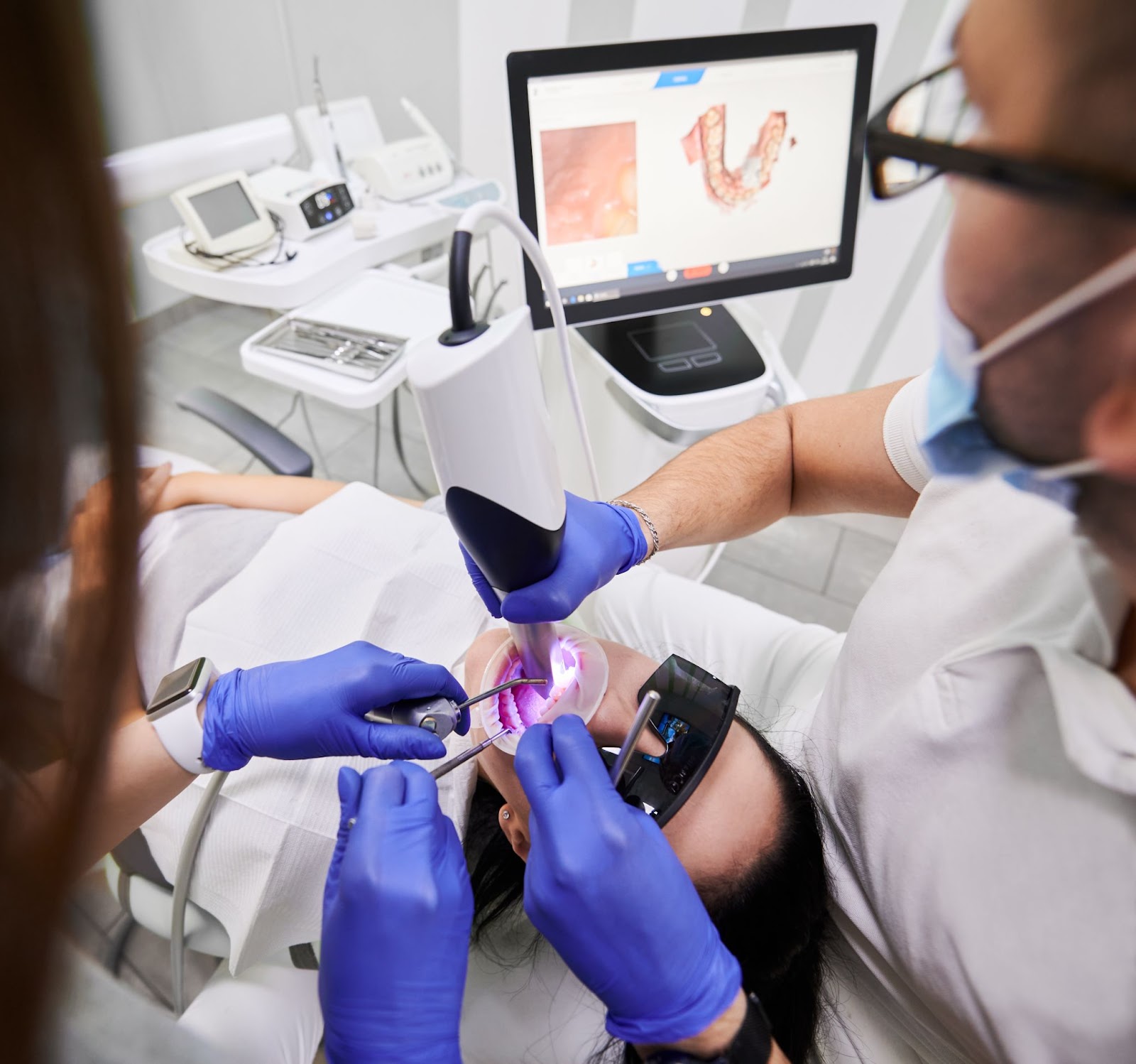
- Flapless Implant Surgery (Minimal Invasive Technique): This innovative technique of dental implantation is beneficial for patients as it offers a seamless and less intrusive process by eliminating the need for large incisions which in turn helps reduce postoperative discomfort and improves healing.
- Digital Imaging and 3D printing: Tools like cone-beam computed tomography helps dentists visualise a patient’s overall structure in three dimensions which ensures greater accuracy during procedures. Alongside, 3D printing helps in the production of high-quality and highly personalised dental restorations such as crowns, bridges and surgical guides which enhances efficiency and patient satisfaction. Both these techniques have revolutionised dental surgery by providing the privilege of customising dental implants and creating a detailed surgical plan.
- Sedation Techniques: Advanced sedation options like oral sedatives and intravenous solutions ensure that the patients remain comfortable throughout their procedures which causes dental surgery to be more accessible to individuals with dental anxiety. This makes it easier for people to access dental surgery on a stress free and timely basis.
Dental Implants- Revolutionizing Tooth Restoration:
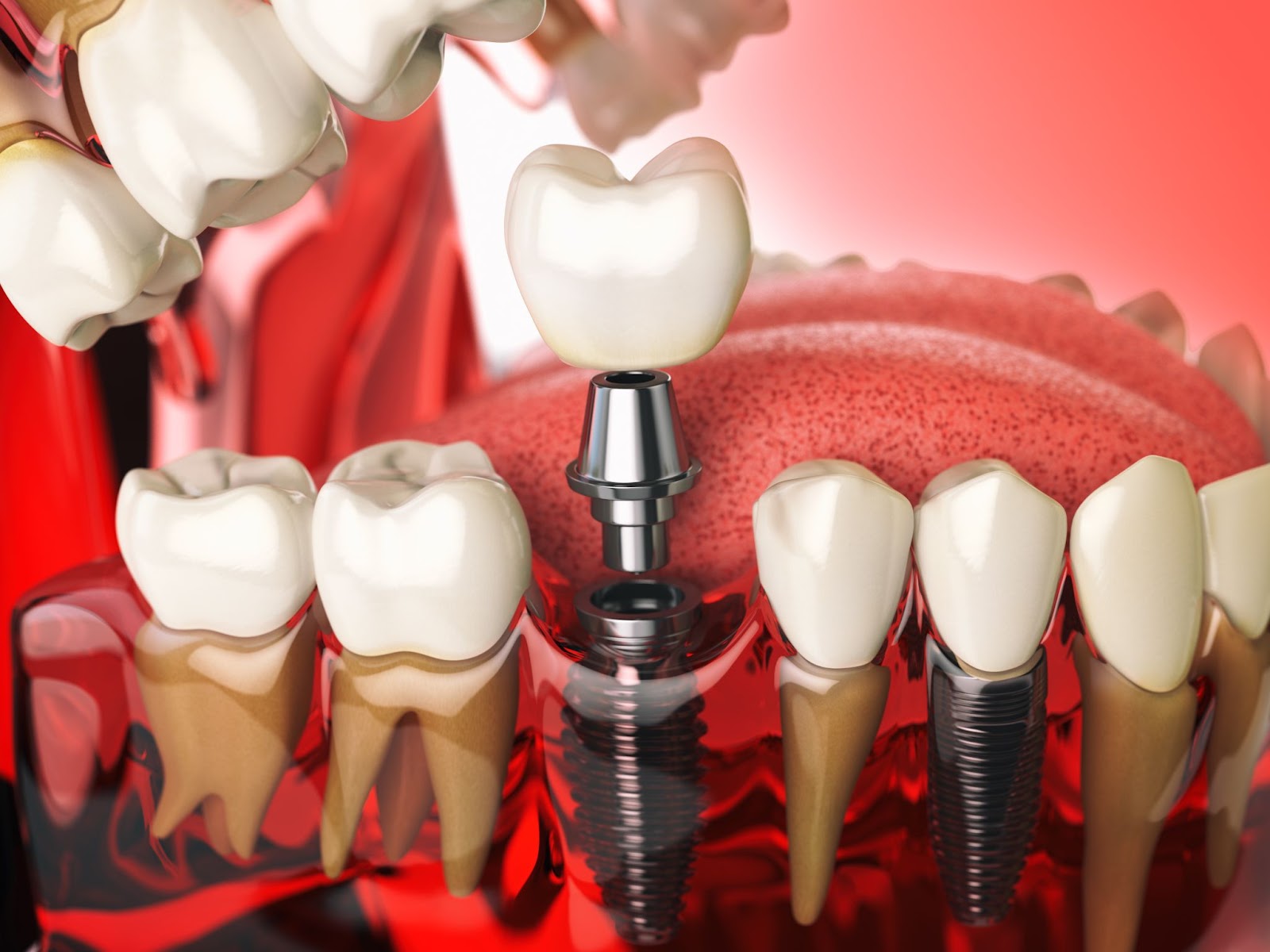
The benefits of dental implants extend beyond aesthetics as they offer a permanent and reliable solution for loss and damaged teeth. Implants have become a foundation for teeth restoration and unlike traditional dentures or bridges they are designed to mimic the structure of natural teeth which provides exceptional stability and functionality.
The modern day dental implant procedure involves steps such as insertion of a titanium post into the jawbone. The titanium post acts as an artificial tooth root and ensures a secure foundation for the replacement tooth and also preserves the integrity of the jawbone. Titanium is a biocompatible material which has improved the success rate of dental implants which makes it a preferred choice for both, patients and dentists. Alongside, 3D imaging and computer guided surgery helps in accurate placement of implants minimising risks and ensures high quality results. Dental implants are revolutionising tooth restoration and setting a new standard for effective oral health care.
Wisdom Tooth Removal- From Traditional to Advanced Techniques:
Wisdom teeth also called third molars are the last set of teeth to develop. They usually develop during the late teens or early 20s. The jawline usually does not have the space to accommodate new teeth and the appearance of wisdom teeth can impact the jawbone, often causing pain infections and other dental problems. Dentists prefer removal of these teeth, to maintain overall oral health.
Traditional methods usually involved invasive procedures which caused a lot of pain discomfort and extended recovery times. Modern wisdom tooth extraction techniques like 3-D imaging and computer guided surgeries help in precise diagnosis, accurate surgery planning. Minimally invasive surgeries and use of sedation have eliminated discomfort, ensured safety and escalated recovery time. These advancements have reduced risks and overall patient experiences making wisdom tooth surgery accessible to individuals of all ages.
The Role of Board-Certified Oral Surgeons in Modern Dental Care:
Board-certified oral surgeons play an important role in ensuring the success of complex and complicated dental procedures. Choosing a board certified oral surgeon exudes the patients with the guarantee that they receive the following three privileges:
- Handled by highly trained and equipped professionals.
- The assurance of the board certification.
- The high value of a specialist.
Board-certified oral surgeons are highly trained and equipped professionals who possess the expertise required to handle intricate surgeries and manage complications. Board certified surgeons utilise highly equipped and advanced tools such as Digital imaging and computer guided systems to deliver accurate and effective treatments. They are committed to continuous education training and remain updated on the latest advancements in their field and adapt to these advancements quickly which adds to enhanced patient outcomes. These expert surgeons provide patient comfort and safety along with exceptional surgical care, making them an irreplaceable part of modern oral health care.
The Future of Dental Surgery- What’s Next?
The scope of dental surgery is anticipated to be even more groundbreaking with new advanced technologies which are emerging to revolutionise patient care. Technological interventions guarantee a future of dental surgery that is more efficient, precise, patient friendly, advanced and continues the excellence in oral healthcare. Techniques that are anticipated to provide unparalleled dental care in the future include:
- Robotic Dental Surgery: This technique provides exceptional precision in procedures like dental implant placement and root canal treatments. This technology helps in reduction of human error and improves procedural outcomes.
- Artificial Intelligence: This has been a game changer in not only dental but other medical fields as well. AI powered tools help in analysing patient data imaging and extraction of medical history which in turn helps in recommendation of personalised treatment plans.
- Gene Therapy: This technique offers preventive solutions rather than interventional treatments by addressing genetic predispositions to dental diseases. This could help in creating a future in dental care with less invasive surgeries and more focus on oral health maintenance.
Conclusion:
From ancient dental care to modern dental surgery there has been a significant revolutionization in oral care which has offered solutions that are less invasive, more precise, more comfortable and highly effective, increasing patient satisfaction and ease of procedures for the professionals.
It is essential for patients to stay informed and seek treatment from qualified professionals like board certified surgeons who have the ability to combine expertise with advanced technology. Consulting an oral surgeon near you, like Ridge Oral Surgery, for both simple and complex procedures like wisdom tooth removal or dental implants can help you benefit from modern day dental care and ensure a healthy smile.