We’ve had patients sit down and ask this almost immediately: “Can we just do everything at once?” It usually comes from a good place. Nobody wants multiple procedures if they can avoid them.
The short answer is yes, sometimes. But it’s not something we decide just to save time. When we talk about a dental bone graft, we’re really talking about setting up the foundation for something that needs to last for years. The best timeline is the one that protects long-term implant success. Faster is helpful only when it is also biologically sound.
So, instead of giving a yes-or-no answer, it helps to understand when doing both together works well and when it’s better to space things out. This blog helps you discern what’s the best course of action for you.
What Is a Dental Bone Graft and Why Is It Needed?
A dental bone graft is done when there isn’t enough bone in the jaw to hold an implant securely. That lack of bone can happen quietly over time. A missing tooth, old infection, gum disease, or even long-term denture use can slowly reduce bone volume.
We usually explain it in simple terms. An implant needs something solid to anchor into. If the base isn’t strong, the implant won’t be either. A graft is not an extra step for the sake of it. It is the foundation.
In many cases, adding bone first gives us a much better chance of placing an implant that stays stable long term.
Can a Bone Graft Implant Procedure Happen in One Visit?
In the right situation, yes. A bone graft implant can be done in a single visit, depending on what we see clinically.
If there’s no infection, the existing bone is still fairly strong, and we can achieve good initial stability when placing the implant, then combining the steps can make sense.
But this isn’t about convenience alone. Same-day treatment is a clinical decision, not a shortcut. If the implant doesn’t feel secure at the time of placement, doing everything at once actually increases risk rather than reducing it.
When Is a Same-Day Implant a Good Option?
At the Ridge Oral Surgery clinic in New Jersey, we tend to consider a same-day implant when the conditions are already favorable. For example, if a tooth is being removed and the surrounding bone is still intact, we may be able to place the implant immediately and use graft material to fill small gaps around it.
Patients with healthy gums, no active infection, and good healing capacity generally do well with this approach.It’s also important to set expectations. Immediate does not always mean finished. Even if the implant goes in that day, the final tooth usually comes later once healing is complete.
When Is Staged Treatment Safer?
There are plenty of cases where taking it step by step is the better option. If there’s significant bone loss, infection, or very thin bone, placing a graft first gives the area time to rebuild properly.
We also lean toward staged treatment when anatomy is more complex or when healing may be slower due to medical factors.
Waiting can be the more advanced choice when the bone needs time to mature. It may feel slower at the start, but it often prevents complications later.
What Happens During Same-Day Grafting and Implant Placement?
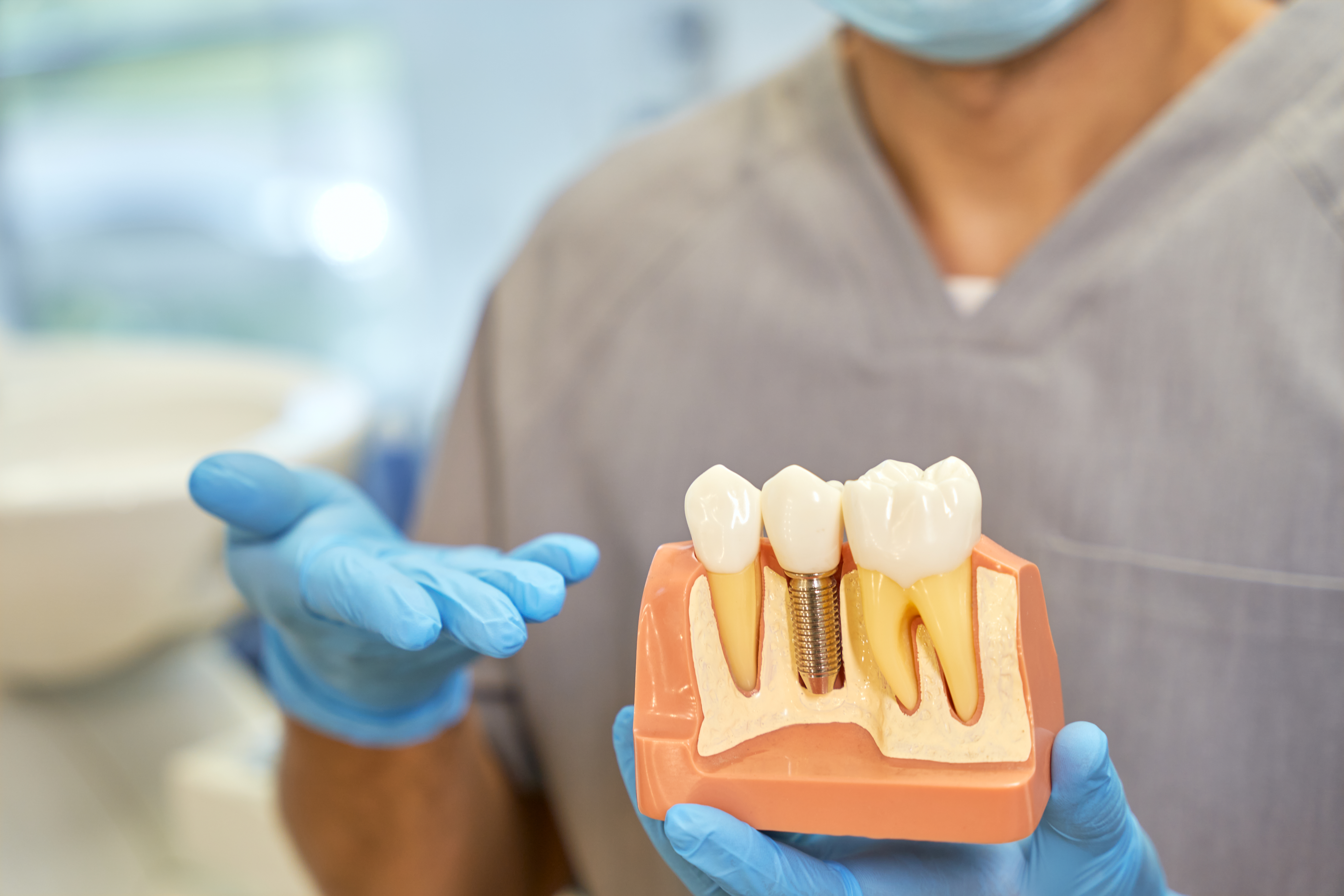
If we move forward with both procedures in one visit, the process is carefully planned in advance. Imaging helps us determine exactly how much bone is available and where the implant should be placed.
On the day of the procedure, the area is numbed, or sedation is used for comfort. If a tooth needs to be removed, that’s done first. The implant is then placed into the bone, and graft material is added around it where needed. The site is protected with sutures to allow healing to begin.
At that point, the focus shifts from the procedure itself to how the body responds during the healing process.
How Long Does Bone Graft Healing Take?
This is where expectations really matter. Bone graft healing doesn’t happen overnight.
The gums may feel better within a week or so, which can give the impression that everything is done. But underneath, the bone is still developing.Healing is not just about feeling better. It is about building stable support. Depending on the case, full integration can take several months, and the implant needs that time to bond with the bone before the final crown is placed.
Same-Day Treatment Vs. Staged Treatment: Which Is Better?
There isn’t a universal answer here. Both approaches work well when used in the right situation.
A same-day implant can reduce the number of visits and streamline the process when the bone already supports it. On the other hand, staged treatment allows us to rebuild and strengthen the area before placing the implant.The right answer is the one your bones can safely support. That’s what ultimately determines success.
Risks, Benefits, and Questions to Ask Before Deciding
Doing a bone graft implant in one visit can be efficient and preserve the natural shape of the bone. But if the conditions aren’t right, it may lead to instability or require additional treatment later.
That’s why it helps to ask a few key questions:
- Do I have enough bone right now?
- Is there any infection present?
- How stable will the implant be on day one?
- When can the final tooth be placed?
These answers guide the decision more than anything else.
FAQs
Can a dental bone graft and implant be done together?
Yes, but only when the bone and tissue conditions support it.
Is same-day grafting more painful?
Not necessarily. The level of discomfort depends more on the procedure itself.
How long does bone graft healing take before the final tooth?
It varies, but deeper bone healing takes time even after you start feeling better.
What happens if I do not have enough bone?
A staged graft is usually recommended first.
Is same-day treatment worth it?
It can be, as long as it doesn’t compromise long-term stability.
How We Plan the Safest Implant Timeline
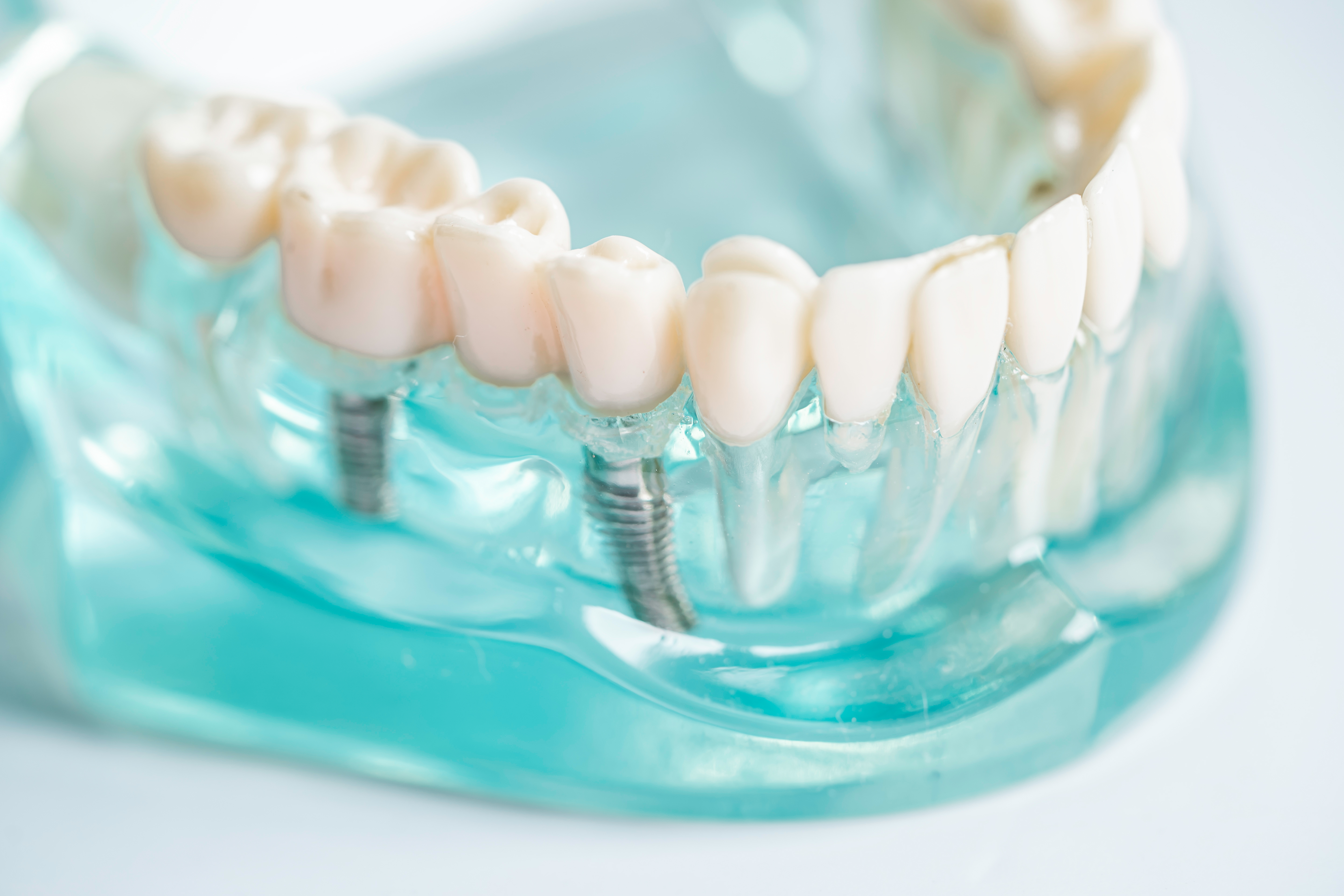
No patient should feel like they’re being rushed into a faster option. Whether a dental bone graft is done first or at the same time as implant placement, the goal is always the same: a result that lasts.
Sometimes the better decision is to slow down, let the bone heal, and then place the implant under stronger conditions.
In the end, success comes from planning, not speed.Schedule a consultation to get a clear, personalized treatment timeline that prioritizes long-term success and a smooth recovery.