You’re waiting in the dentist’s chair, and you hear these words: “Your wisdom teeth need to be removed.” Your initial reaction? Something like, “Why now? ” or “Do they absolutely have to come out? ” You’re not the only one. About 85% of individuals will require wisdom teeth removal sometime during their lifetime. These late bloomers of the dental kingdom typically erupt between 17 and 25 years of age and are infamous for giving grief, such as crowding, infection, and impaction.
At Ridge Oral Surgery, we’re going to cover everything: when they need to go, what the surgery’s like, how to recover like a pro, and how to eat without ruining your stitches. Whether you’re nervous or just curious, we’ve got the answers you’re looking for—laid out in plain English, backed by facts, and shaped by experience. So, let’s get right into it.
Do All Wisdom Teeth Need to Be Removed?
Here’s the thing: not every wisdom tooth has to be taken out. Occasionally, they come in neatly, line up correctly, and don’t give any trouble. If yours are being model citizens, good for you! But sadly, that’s not the case.
The most frequent cause of wisdom tooth removal is impaction, when the tooth does not fully emerge because of insufficient space or incorrect positioning. Impacted wisdom teeth can push against surrounding teeth, create jaw pain, or even develop cysts and infections. Nine out of ten individuals have at least one impacted wisdom tooth, states the American Association of Oral and Maxillofacial Surgeons.
So, when is extraction required? Here’s when we typically suggest it:
- Teeth are impacted and painful.
- There’s evident decay or infection.
- The teeth are pushing against other molars.
- A cyst is developing around the tooth.
But if your wisdom teeth are healthy and trouble-free, we may just watch them with checkups and X-rays. The trick is periodic dental imaging, so we can step in before issues develop.
The Wisdom Teeth Removal Process: Step-by-Step
First, you’ll have a consultation and imaging with an oral surgeon. We usually take a panoramic X-ray or 3D scan to examine the location of your wisdom teeth and roots. This determines how complicated the surgery will be.
Next are your anesthesia choices. Based on your needs and comfort, you may get:
- Local anesthesia: It numbs only the area around your wisdom teeth.
- IV sedation: You’re half-conscious but won’t remember much.
- General anesthesia: You’re fully asleep during the procedure.
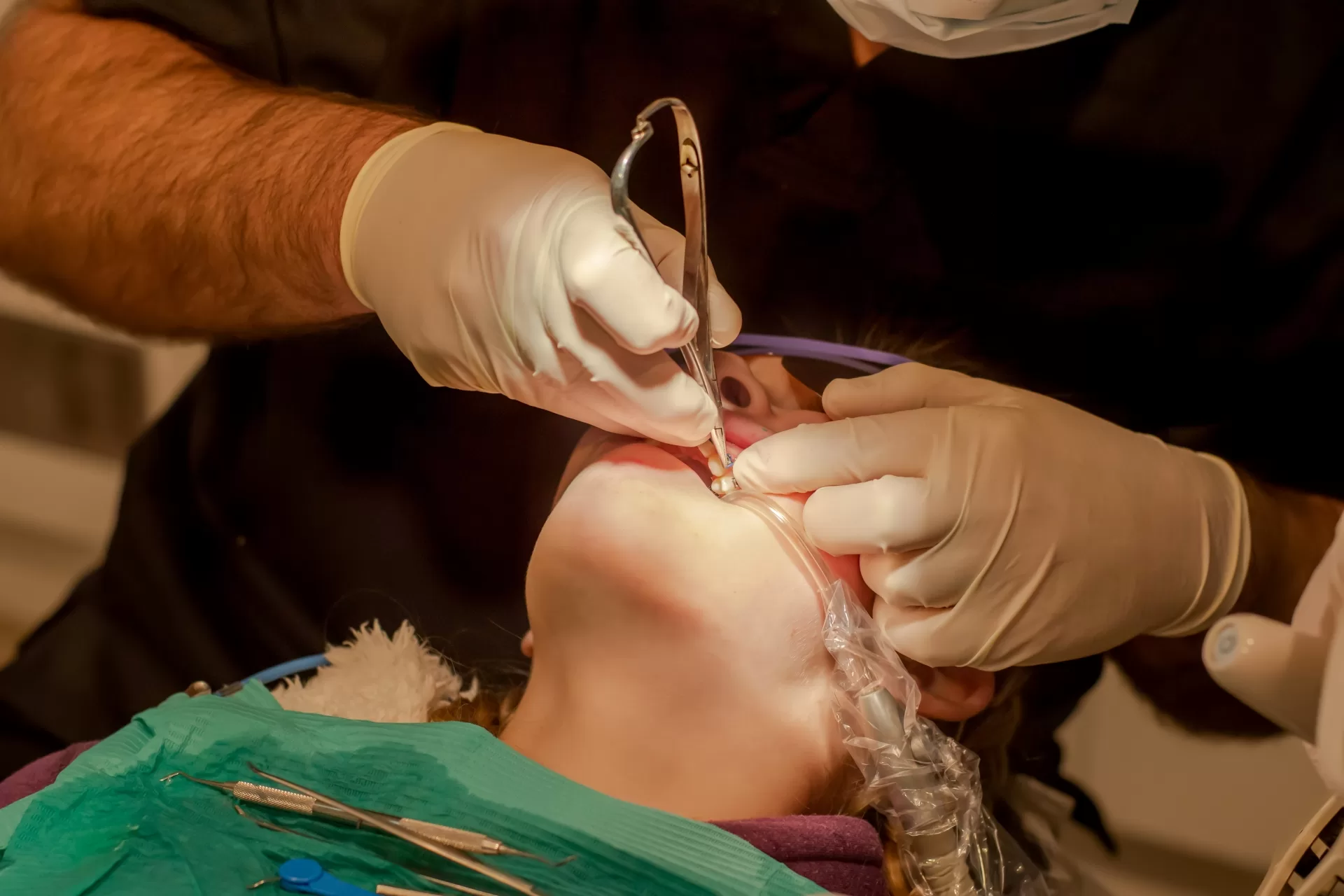
The procedure itself takes around 45 minutes to an hour, depending on how many teeth need to be extracted and the state of the teeth. We cut a small hole, extract the tooth (often in pieces), and suture the area. Most people are in and out the same day.
You’ll have someone drive you home, particularly if sedation has been employed. Relax—we’ll provide you with complete post-op instructions and follow up after surgery.
Recovery Timeline: What to Expect After Surgery

Let’s talk about recovery. Day one is usually the toughest—you’ll feel groggy, swollen, and maybe even a little grumpy. Totally normal.
Here’s a breakdown of what to expect:
- Day 1-2: Swelling peaks, some bleeding is normal. Stick to ice packs and rest. Take prescribed pain meds.
- Days 3-4: Swelling starts to go down. Bruising may appear. You’ll feel more alert.
- Days 5-7: Swelling is mostly gone. You can try eating slightly more solid foods.
Normal side effects include swelling, discomfort, some bleeding, and jaw tightness. Call us right away if you have too much bleeding, fever, pus, or pain that you can’t tolerate—those are signs of infection or dry socket.
Tips to make recovery easier:
- Sleep with pillows under your head
- Ice your cheeks 20 minutes on/off
- Avoid sucking through straws (dry socket risk!)
- Take all the medicines as directed
We will also make a future appointment to monitor the healing process.
Diet Guide After Wisdom Teeth Removal
Your diet after surgery is more important than you realize. Some foods will sabotage healing or become lodged in your sockets, making infection more likely. For the initial few days, limit yourself to soft, cool foods such as:
- Yogurt
- Mashed potatoes
- Applesauce
- Smoothies (no straws!)
- Pudding and ice cream
Avoid:
- Spicy foods (irritate the gums)
- Crunchy snacks such as chips or popcorn
- Sticky foods such as caramel or gum
- Hot drinks (can dissolve blood clots too quickly)
Tip: Keep food nutrient-dense to heal faster. Incorporate protein shakes or broths in your diet for added energy.
Oral Hygiene After Surgery: Dos and Don’ts

Keeping your mouth clean after surgery is important, but also challenging. You must keep the healing sockets from being disturbed while still avoiding the accumulation of bacteria.
Here’s how to do that:
- Don’t brush the surgical areas for the first 24 hours
- After 24 hours, lightly brush the area with a soft-bristled toothbrush
- Rinse with a saltwater solution (1/2 tsp salt in warm water) after each meal—don’t spit hard
- Steer clear of commercial mouthwashes at least for a week
One of the big things to try not to happen? Dry socket. It occurs when the blood clot becomes dislodged, laying the bone bare. Ouch.
How to prevent it:
- Don’t vape or smoke
- Avoid straw use
- Eat only soft foods
We will go through all of this with you on your post-op appointment and check that your mouth is healing well.
Cost of Wisdom Teeth Removal
Let’s discuss numbers. The price of wisdom teeth removal is determined by a number of factors:
- Number of teeth extracted
- Whether impacted
- The type of anesthesia
- Your area and insurance policy
The average cost is between $75 and $300 per tooth for straightforward extraction, and $225 to $600 per tooth for impacted teeth.
The silver lining? Most insurance policies cover at least a portion of the procedure. At Ridge Oral Surgery, we have flexible financing available to make the process as painless as possible. Investing in specialist treatment minimizes the risk of complications, which might end up costing you more in the long term.
FAQs: Fast Answers to Common Questions
1. Can I sleep through the procedure?
Yes! We provide IV sedation and general anesthesia based on your comfort and the difficulty of the extraction.
2. Will it be painful?
You won’t experience pain during the procedure due to anesthesia. There will be some discomfort afterwards, but this is manageable with medication.
3. How long will I miss work or school?
Most people miss 2–3 days. Some swelling and soreness may last for up to a week.
4. Can all four wisdom teeth be removed at one time?
Yes. In fact, it’s usually more convenient to do them all at once.
5. What are the risks?
Risks are minimal but may include dry socket, infection, nerve damage, or sinus issues (if upper wisdom teeth are considered). We use every precaution to prevent them.
Ridge Oral Surgery: Where Wisdom Meets Swift Removal!

At Ridge Oral Surgery in New Jersey, we’re not just here to pull teeth—we’re here to make sure you’re safe, comfortable, and well-cared-for every step of the way.
Our board-certified oral surgeons have expertise in wisdom tooth removal and employ the latest imaging and sedation methods to make the experience as smooth as possible. Patients appreciate our detail-oriented and professional demeanor. Browse our testimonials to hear from them directly.
So, if you’re not sure, don’t wait—book an appointment with your local oral surgeon to find out what’s best for you. And if you’re close by, Ridge Oral Surgery would be delighted to get you smiling without the pain again.